Approaches and Challenges of Equal Pay for Equal Work for Men and Women
Equal pay for equal work is an important legal principle in the field of modern labor and life, which carries the value concept of defending equality and opposing discrimination. Although the principle of equal pay for equal work is obvious and widely established by modern legislation, its operability and applicability are not ideal. According to the data published by the United Nations, the global pay gap between men and women is estimated to be 23%, and the phenomenon of different pay for equal work between men and women is very prominent [1]. This paper draws on the advanced experience of European countries in promoting equal pay for equal work for men and women, observes the current situation of equal pay for equal work in China, and clarifies the realistic challenges faced by equal pay for equal work.
1. What is equal pay for equal work?
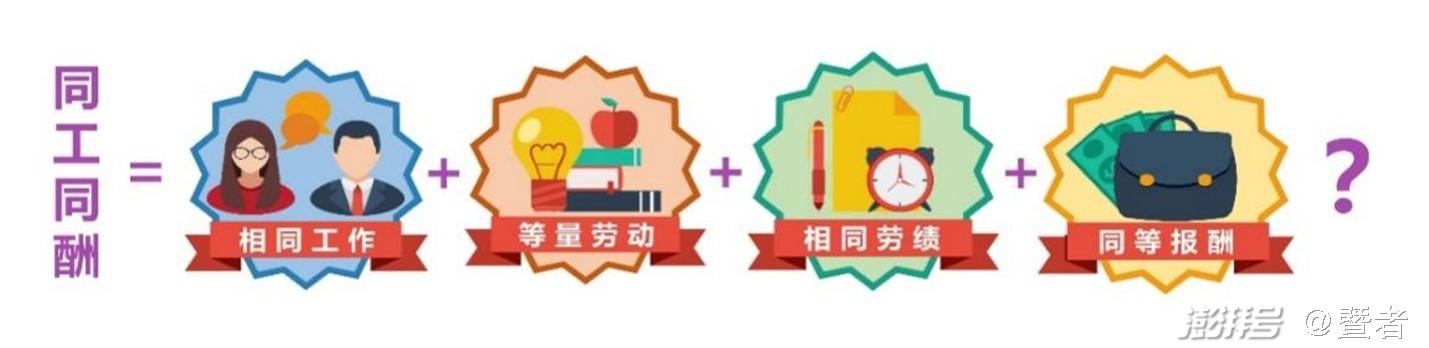
When understanding the meaning of equal pay for equal work, most people may understand it literally, that is, equal pay for equal work means that employers pay equal remuneration to workers who do the same job, pay the same amount of work and achieve the same performance. In fact, it is not entirely true. The meaning of equal pay for equal work is not limited to the same job, but its connotation is gradually changing to "equal pay for equal value". Equal pay for equal work means that all workers have the right to enjoy equal pay for work of equal value.
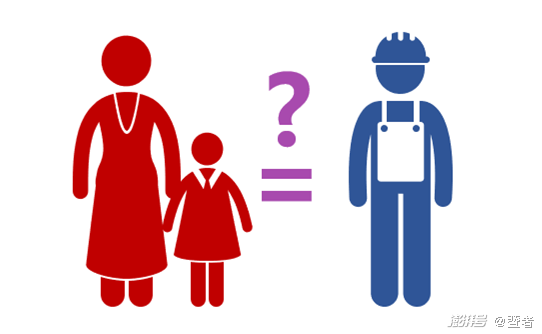
Equal pay for equal work for men and women is part of the concept of equal pay for equal work. Therefore, according to the meaning of equal pay for equal work, both women and men should get the same labor remuneration after completing the work of equal value. For example, when the child care work led by female employees and the work in the construction sector led by male employees produce the same or similar objective value, women should get the same remuneration as men. Are they really paid equally? In fact, women may get lower pay.
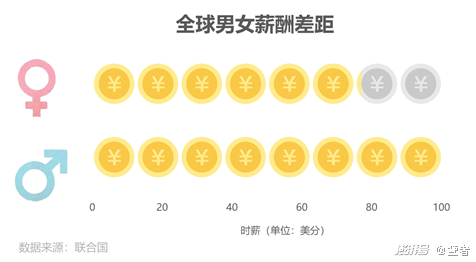
This phenomenon of different pay for equal work between men and women is not a case. According to data published by the United Nations, the global pay gap between men and women is estimated at 23%. This means that globally, when men and women are engaged in work of equal value, for every dollar men earn, women can only earn 77 cents. This gender pay gap is even greater for women who have given birth to children. According to the current rate of narrowing the pay gap, it will take at least 257 years to achieve economic gender equality [2].
Second, Western Europe, which is at the forefront of the world of "equal pay for equal work" for men and women
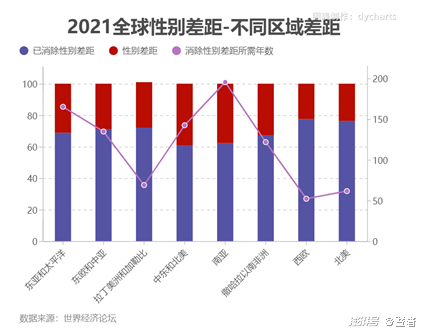
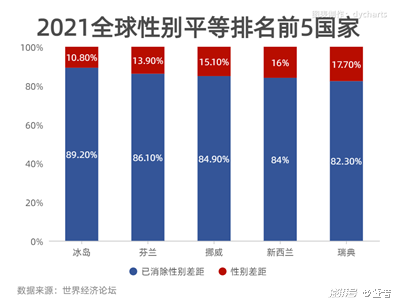
According to the Global Gender Gap Report 2021 released by the World Economic Forum, 77.6% of the gender gap has been eliminated in Western Europe, and it is expected that gender equality will be achieved within 52.1 years. Four or four of the top five countries in gender equality are Western European countries, namely Iceland (first place), Finland (second place), Norway (third place) and Sweden (fifth place). Among them, Iceland has become the most gender-equal country in the world for the 12th time in a row, eliminating 89.2% of the gender gap. It is also the first country in the world (in 2018) to pass legislation requiring equal pay for men and women [3].
Western Europe’s high gender equality ranking is inseparable from its efforts in equal pay for equal work for men and women. Most western European countries enforce equal pay for equal work for men and women through legislation. The legal database provided by the International Equal Pay Alliance (EPIC) shows that in Western Europe, almost all countries have covered equal pay for equal work in their national legislation, including the definition of equal pay for equal work and the provisions on handling violations of equal pay for equal work, and they have been constantly improving [4]. As mentioned above, the law passed by Iceland in 2018 stipulates that it will be illegal for women to earn less than men. At the same time, if the employer fails to take measures against the phenomenon of wage inequality, it will be dealt with as a criminal offence. This means that in the lawsuit of equal pay for equal work between men and women, the traditional way for employees to prove their unequal pay has changed to that for employers to prove that they have indeed paid equal pay for employees of different sexes.
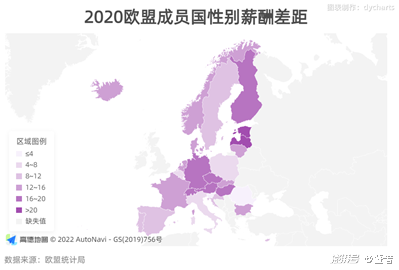
Secondly, ensuring salary transparency is a basic link in realizing equal pay for equal work for men and women in many western European countries. For example, Spain’s equal pay system, which came into effect in 2021, requires enterprises to record the salaries of male and female employees according to gender to improve the transparency of salary, so as to ensure that men and women can get the same salary for jobs that produce the same value, thus promoting the narrowing of the gender pay gap. According to the data provided by Eurostat, from 2016 to 2020, the gender pay gap in Spain decreased from 14.8% to 9.4%, and the gap was narrowed rapidly [5].
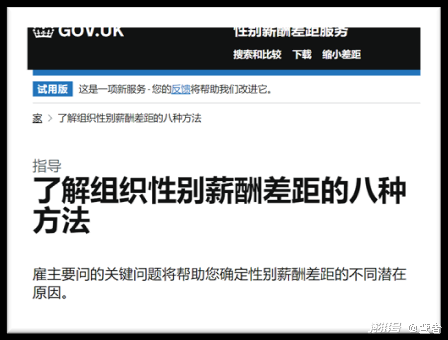
In addition, many countries require enterprises of a certain scale to calculate and report the gender pay gap of their companies to the government, and these data can be found in the government or relevant official website. For example, since 2017, the British government has required companies with more than 250 employees to calculate and enter data on the average hourly wage difference between men and women, the median hourly wage difference and the proportion of men and women in different job levels. Official website, the British government, has also provided the public with eight ways to know about the pay gap between men and women in this company, and given specific measures to narrow the gender gap.
Third, the current situation of equal pay for equal work between men and women in China
In recent years, China has gradually attached importance to the issue of equal pay for equal work, issued relevant legal documents, and achieved certain results. According to Article 48 of the Constitution, "The state protects women’s rights and interests, implements equal pay for equal work for men and women, and trains and selects women cadres". Article 46 of the Labor Law stipulates that "wage distribution shall follow the principle of distribution according to work and equal pay for equal work". However, the definition of the concept of different pay for equal work and how to deal with the situation of separate violation of equal pay for equal work are still unclear.
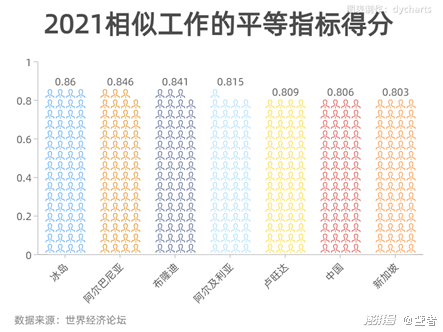
In the score of "Wage Equality for Similar Work", an indicator in the Global Gender Gap Report 2021, China scored 0.806/1, ranking sixth (ranking 1-7 is a good ranking), and the others were Iceland, Albania, Burundi, Algeria, Rwanda and Singapore [3]. This shows that China has made some progress in solving the problem that "similar jobs should have equal wages".
Although some achievements have been made in equal pay for equal work, there are still some problems in China, such as imperfect salary transparency system and unclear public understanding of equal pay for equal work. According to the regulations of the International Labour Organization, there are three stages to achieve equal pay for equal work. The first stage includes: social partners’ participation, raising awareness of gender wage gap, expanding understanding of the principle of equal pay for equal work, and making equal pay for equal work a national policy goal. However, at present, the interpretation of equal pay in China needs to be improved in relevant laws and regulations, which leads to difficulties in the judicial application situation and the urgent need for a practical framework [3]. In addition, the research and legal cases related to equal pay for equal work mostly focus on "equal pay for equal work in labor dispatch", and the discussion about equal pay for equal work for men and women is still scarce, and most enterprises adopt "secret salary system", and the extremely opaque salary also makes it difficult to carry out related research.
Fourth, the real challenges
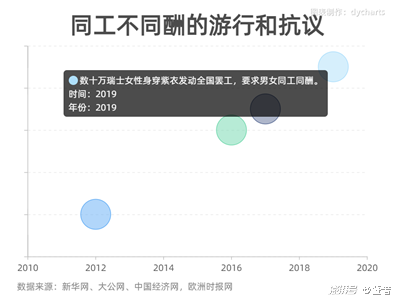
Looking around the world, the problem of different pay for equal work between men and women still faces challenges. Take European and American countries for example, there are often demonstrations and protests against the phenomenon of different pay for equal work. In 2019, according to Eurostat data, the gender pay gap in Switzerland was 18.6%, which was higher than the average gender pay gap of 13.7% in the EU. Hundreds of thousands of Swiss women took to the streets in purple clothes and called for equal pay for equal work for men and women [5].
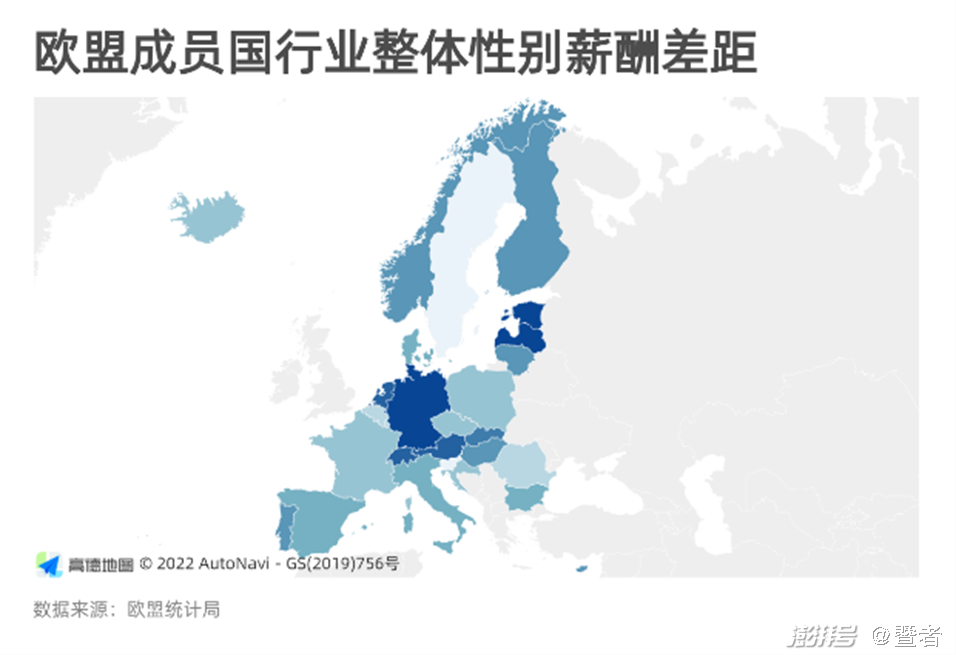
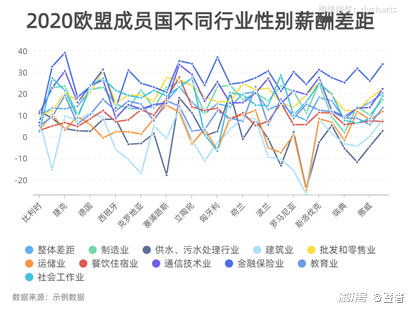
This pay gap is reflected in different industries. The weak position of women in high-paying occupations and the number of people entering top management leads to the gender pay gap to a certain extent, which makes the speed of achieving equal pay for equal work between men and women extremely slow. Taking the EU countries as an example, from the perspective of different industries, in 2020, Slovenia, Sweden and Belgium as a whole have the smallest gender pay, which are 7.4%, 7.9% and 9.5% respectively. However, it can be clearly observed that in some subdivided high-paying industries, especially the financial and insurance industries, the gender pay gap between industries is large [5].
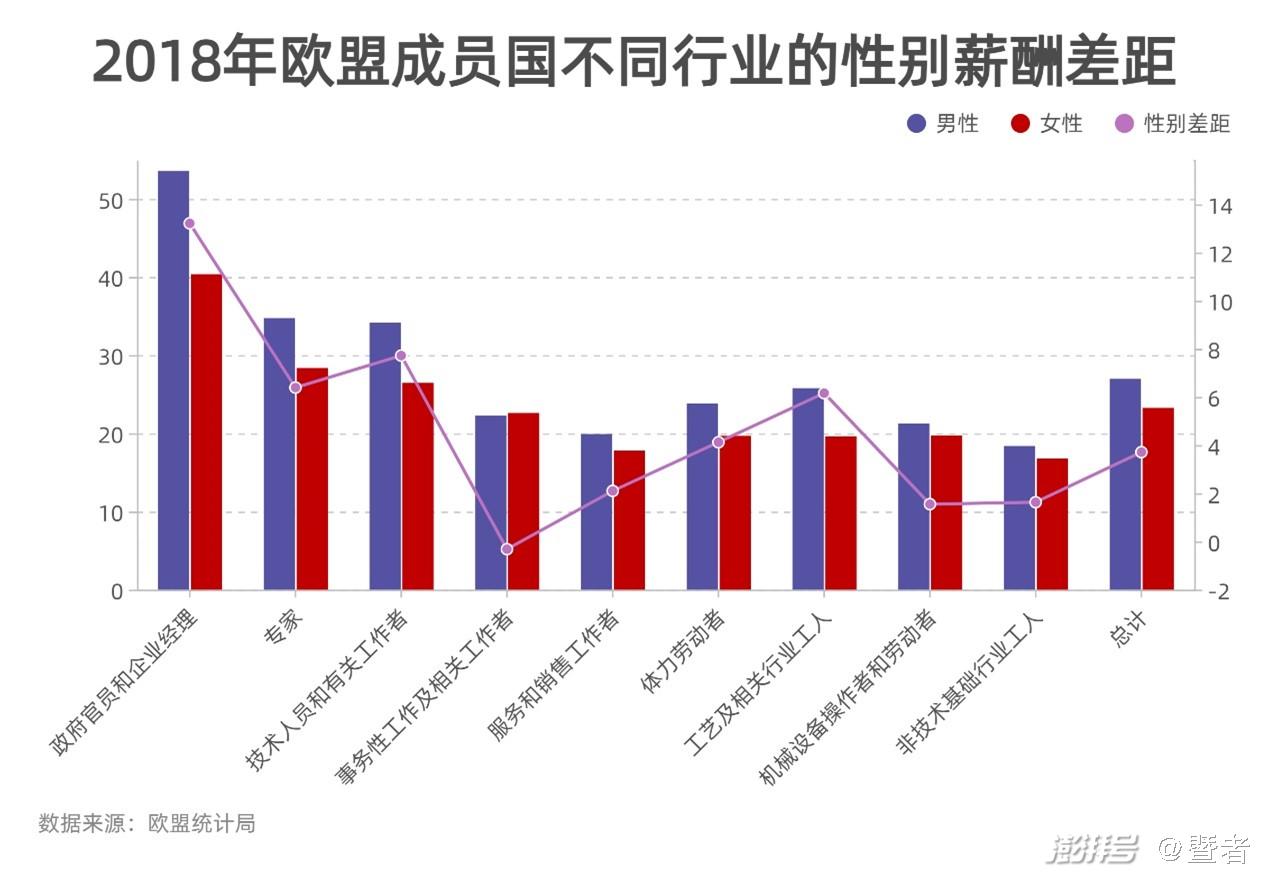
This salary gap is also reflected in the large salary gap between middle and high levels. According to the latest data released by Eurostat, among the gender gaps of different occupations in the EU in 2018, the gender pay gap of managers is the largest, followed by technicians and experts [5]. This reflects the penetration of men into middle and senior management, and women have fewer economic opportunities to get high salaries, which further increases the gender pay gap.
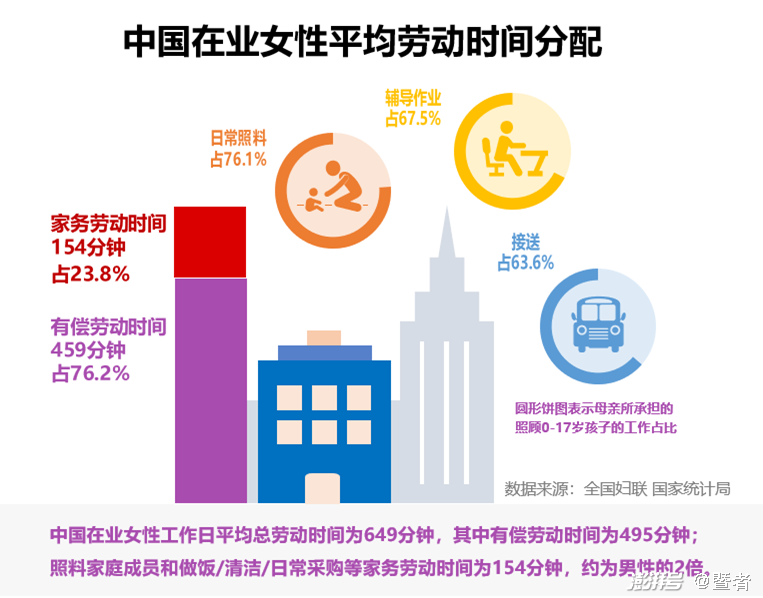
In addition, it is difficult to measure the results of women’s non-wage income, which is also a difficult problem in the field of equal pay for equal work at home and abroad. According to the statistics of UN Women in 2018, women spend about 2.5 times as much time on unpaid care and housework as men. According to UN Women, women tend to spend more time on unpaid care than men. If women’s unpaid work is endowed with economic value, it will account for 10% to 39% of GDP [8]. This part of women’s unpaid work also belongs to the category of equal value and equal pay. These care jobs also create objective value and are crucial to economic operation, but they are often not recognized and paid. Looking at China, the situation is similar. According to the fourth survey on the status of women in China (2021) conducted by the All-China Women’s Federation in cooperation with the National Bureau of Statistics, the average total working hours of working women in China are 649 minutes, of which 495 minutes are paid. Taking care of family members and cooking/cleaning/daily shopping and other housework time is 154 minutes, about twice that of men; 76.1%, 67.5% and 63.6% of children aged 0-17 are mainly responsible for their daily life care, counseling and transportation [9].
The gender pay gap is one of the most serious social inequities. The research in 2017 [14] shows that the salary difference has gradually narrowed in the past decades, which is mainly due to the continuous improvement of women’s education level, work experience, job choice and other human capital factors, as well as the influence of policy factors. But globally, overall, women’s participation in the labor market is still far lower than that of men. In order to narrow or eliminate the gender pay gap, everyone is making joint efforts. In September 2017, the International Labour Organization, UN Women and the World Economic Cooperation Organization jointly established the International Equal Pay Alliance (EPIC), aiming at accelerating the narrowing of the gender pay gap around the world. In September 2018, at the EPIC Pledging Conference held during the UN General Assembly in new york, about 40 governments or organizations made important commitments, including setting up a celebration day for equal pay and setting up a national committee to monitor the state’s intervention in equal pay. There is still a long way to go to achieve equal pay for equal work for men and women.
data source
[1] United Nations, International Day for Equal Pay for Equal Work, https://www.un.org/zh/observances/equal-pay-day, 2022.
[2] China Women’s Daily, "To promote equal pay for equal work, we must promote equal pay for equal value",
http://www.nwccw.gov.cn/2020-11/05/content_288199.htm,2020
[3] World Economic Forum, 2021 Global Gender Gap Report,
https://cn.weforum.org/reports/global-gender-gap-report-2021,2020
[4] International Equal Pay Alliance, Equal Pay Legal Database,
https://www.equalpayinternationalcoalition.org/equal-pay-legal-database/,2022
[5] Eurostat, Gender Pay Gap in Member States,
https://ec.europa.eu/eurostat/databrowser/view/sdg_05_20/default/table? lang=en,2022
[6] Huang Jin, Bi Fan. Japanese system of equal pay for equal work and its enlightenment to China [J]. Journal of Kunming University of Science and Technology (Social Science Edition), 2022,22 (01): 10-18. DOI: 10.16112/J.CN.KI.53-1160/C.2022.
[7] Li Yuzhen. On the legal regulation of "dense salary system" [D]. Shanghai Normal University, 2021. DOI: 10.27312/d.cnki.gshsu.20010.000000000007
[8] UN Women, Facts and Figures: Economic Empowerment,
https://www.unwomen.org/en/what-we-do/economic-empowerment/facts-and-figures,2018
[9] The Fourth China Women’s Social Status Survey Leading Group Office, China Women’s Daily, the Fourth China Women’s Social Status Survey, http://epaper.cnwomen.com.cn/, 2021.
[10] F. Blau and L. Kahn, The Gender Wage Gap: Extent, Trends, and Explanations, Journal of Economic Literature, 55(3):789-865, 2017.
[11] Feng Yanjun. Confusion and reflection on the principle of equal pay for equal work [J]. Law and Business Research, 2011,28 (02): 61-68. DOI: 10.16390/j.cnki.ISSN 1672-0393.2011.02.001.
[12] Wang Yilin. Gender pay gap from a global perspective [J]. Qiu Xian, 2020(06):36-39.
News Writing: Wu Qili and Zhang Ziyin
Data visualization: Zhang Ziyin and Wu Qili
Data analysis: Hou Ying, Lian Yunsi
Graphic production: Lian Yunsi, Hou Ying
Instructor: Zhao Tianfang