Regulators frequently "beat" bankers: real estate credit will be tightened in the second half of the year.

  Recently, the regulation of the property market in hot cities has been tightened, and real estate financing has also been strongly regulated. A number of bankers said that in the second half of the year, they will strictly and prudently manage loans in the real estate sector and control development loans and mortgage loans in accordance with the requirements of the regulatory authorities. In the future, there is little room for further improvement in the proportion of real estate in financial resources. At the same time, the credit policy will be adjusted and optimized around the regulatory requirements, and the support for the real economy will be increased.

  Some areas raised mortgage interest rates.

  According to the monitoring data of Rong 360 Big Data Research Institute, from the end of July to the beginning of August, the mortgage interest rates in Suzhou, Hangzhou, Dalian and Ningbo all increased.

  Li Wanbin, an analyst at Rong 360 Big Data Research Institute, said that the increase in mortgage interest rates was due to overheating of the property market in some cities, and local governments adjusted by raising mortgage interest rates. In addition, the bank’s credit funds in the second half of the year are often not as abundant as those in the first half of the year, and the mortgage amount is also relatively tight. Under this circumstance, the bank will also choose to raise the mortgage interest rate.

  "It is expected that more regions will raise the mortgage interest rate, and the amount will be relatively tight, but it does not rule out that some banks in some regions will lower the mortgage interest rate from the bank’s own funds and business strategies." Li Wanbin said.

  According to the statistics of the Central Plains Real Estate Research Center, at present, the mortgage interest rates in various places are basically stable, with few obvious fluctuations, and most banks are still lending normally. Judging from the major first-and second-tier cities in China, the current interest rate level fluctuates slightly compared with the second quarter, but most cities still maintain the lowest interest rate in the past two years.

  Wang Yifeng, chief analyst of Everbright Securities Banking, said that housing mortgage loans have grown rapidly since this year. Under the background of stable housing prices, stable expectations and city-specific policies, real estate policies in various cities have maintained pressure, and mortgage interest rates have diverged to some extent. Judging from the current situation, the demand for housing mortgage loans is relatively stable.

  Real estate credit policy will be tightened.

  Recently, the central bank named real estate finance twice, emphasizing maintaining the continuity and stability of real estate financial policies and continuously strengthening the control of funds in the real estate market. A number of insiders told china securities journal that loans in the real estate sector will be managed strictly and prudently in the second half of the year according to the requirements of the regulatory authorities.

  The president of Suzhou Branch of a big bank said that in the first half of the year, the bank’s investment in real estate accounted for less than 30% of the total investment, and development loans and mortgage loans will be more strictly controlled in the second half of the year.

  According to the vice president of Wuhan Branch of a joint-stock bank, the real estate credit of the bank did not exceed 40% in the first half of the year. "Every year, our bank’s asset structure layout of the industry is orderly. In the second half of the year, the whole bank will implement total amount control and preferential selection to support rigid demand. In general, banks’ control over real estate credit will become more and more strict. "

  "Our real estate loans are very few, and now under the requirements of policy regulation, we will not take the initiative to market." The president of a stock bank in Changzhou, Jiangsu Province said that the mortgage interest rates of the first and second suites of the bank are 10% and 15% higher than the benchmark interest rate respectively, and the mortgage interest rates will be adjusted according to market conditions in due course.

  "From a policy perspective, it is expected that the proportion of real estate in financial resources will be carefully regulated in the future, and there is little room for further improvement in the proportion of real estate in financial resources." Lian Ping, chief economist of Bank of Communications, believes that at present, under the requirement of "housing and not speculating", most first-and second-tier cities have strict control over the property market, and it is impossible to speculate on real estate on a large scale. In the future, real estate credit should do its homework from the structure and match the reasonable demand in line with reality.

  For example, Lian Ping said that from the perspective of mortgage, under the current strict control policies, the market demand in many places is still rigid and benign, and banks should support it. In terms of development loans, banks and non-bank channels should also give support if there is benign and reasonable demand in the market.

  The credit direction will be adjusted in the second half of the year.

  A number of banking industry insiders said that the credit policy will be adjusted around the regulatory requirements in the second half of the year. The vice president of Wuhan Branch of the above-mentioned joint-stock bank said that the bank invested heavily in private enterprises and inclusive finance in the first half of the year, and will increase credit support for manufacturing industry in the second half of the year according to regulatory requirements.

  Wang Yifeng said that significant growth in manufacturing and medium and long-term loans required further policy arrangements. With the gradual consumption of pre-reserve projects, loans to the public have been weak. In the future, how to promote the rapid growth of manufacturing loans needs further policy guidance. In addition, how to effectively activate the vitality of micro-subjects, especially the effective demand of funds, also needs more effective policy support.

  It is worth noting that the regulatory authorities have made arrangements to increase support for the manufacturing industry. Yang Liping, chief prosecutor of China Banking and Insurance Regulatory Commission, said earlier that China Banking and Insurance Regulatory Commission asked banks to set annual service targets for manufacturing industry, mainly to tackle key core technologies in the field of sticking neck, and to support key areas such as strategic emerging industries and transformation and upgrading of manufacturing industry, so as to realize that the balance of manufacturing loans was significantly higher than that of last year. At the same time, improve the professional ability of service manufacturing industry, supervise large banks to optimize the term of loans, match the production and research cycle of manufacturing enterprises, and increase the medium and long-term loans. Those who can make credit loans will insist on reviewing the first repayment source and make credit loans.

Number one in the world! China’s 43 intangible heritage items are listed in the World Intangible Heritage List. Come and find out!

On November 29th, China declared "China’s traditional tea-making skills and related customs" included in the UNESCO representative list of human intangible cultural heritage. So far, 43 projects in China have been listed in UNESCO’s intangible cultural heritage list, ranking first in the world! Who are the 43 World Intangible Heritage Sites? Come and find out ↓↓↓

List of representative works of human intangible cultural heritage (35)

Selected year: 2022

Traditional tea processing techniques and their associated social practices in China

Tea flourished in the Tang Dynasty and flourished in the Song Dynasty. China is the earliest country in the world to plant and make tea. The traditional tea-making skills and related customs in China are related to the knowledge, skills and practice of tea garden management, tea picking, hand-made tea, and tea drinking and sharing.

Selected year: 2008

Kunqu opera

Kunqu Opera is one of the oldest existing operas in China, which originated in the Ming Dynasty. The singing of Kunqu Opera has a strong artistic quality, which has a great influence on all modern dramas in China.

Guqin art

Guqin is the most representative solo instrument in China, which has a history of more than 3,000 years in China. Guqin has seven strings and thirteen emblems, and players can play four octaves through ten different plucking methods.

Xinjiang Uygur Muqam Art

"Xinjiang Uygur Muqam" is the general name of all kinds of Muqam that spread in various Uygur inhabited areas in Xinjiang, China, and it is a large-scale comprehensive art form integrating singing, dancing and music.

Mongolian long-tune folk songs (jointly declared by China and Mongolia)

Long tune is a lyric song, which consists of 32 melodies with a lot of decorative sounds. It praises beautiful grasslands, mountains and rivers, praises parents’ love and close friendship, and expresses people’s thinking about their fate.

Selected year: 2009

China seal cutting

China seal cutting is a unique engraving art with stone as the main material, carving knife as the tool and Chinese characters as the representation.

China’s woodblock printing technology

Block printing technology is a special technology that uses a knife to carve characters or patterns on a wooden board, and then uses ink, paper, silk and other materials to print and bind books. It has a history of more than 1,300 years, which has created a precedent for human copying technology.

China’s calligraphy

China’s calligraphy developed with the emergence and evolution of Chinese characters. After more than 3000 years, it has become a representative symbol of China culture.

Chinese paper cutting

Chinese paper-cutting is a folk art that uses scissors or a carving knife to cut and carve patterns on paper to decorate life or cooperate with other folk activities.

China traditional wooden structure building construction skills.

China’s traditional wooden building construction technology is a building construction technology system with wood as the main building material, tenon and mortise as the main combination method, and modular system as the scale design and processing production means, which has been extended for more than 7,000 years.

Craftsmanship of nanjing yunjin brocade

Craftsmanship of nanjing yunjin brocade has the tradition of royal weaving in China and is the representative of the highest level of brocade skills in China.

Dragon Boat Festival

Dragon Boat Festival is a traditional festival in China, which falls on the fifth day of the fifth lunar month. It has a history of more than 2,500 years. The festival custom of driving away drugs and evil spirits has spawned a variety of folk activities such as sacrifice, entertainment and health care.

China Korean Nongle Dance

China Korean agricultural music dance is a folk performing art which integrates performance, singing and dancing, reflecting the traditional farming production and life, offering sacrifices to pray for blessings and celebrating the harvest. Dance has the characteristics of ecology, simplicity, roughness and harmony.

Mazu believes in customs

Mazu is the most influential patron saint of navigation in China. Mazu’s belief in customs is a folk culture with the spirit of worshiping and praising Mazu’s virtue, doing good deeds and loving love as its core, Mazu Palace and Temple as its main activity place, and customs and temple fairs as its manifestations.

Mongolian Humai Singing Art

Humai is a magical singing art created by Mongolians: a singer sings two parts at the same time with his own vocal organs. Among the folk songs of various nationalities in China, it is unique.

Nanyin

Nanyin is a performing art that combines singing and playing, and it is one of the oldest existing music types in China. Nanyin is sung in Quanzhou dialect, mainly with pipa, flute, erhan, sanxian, clapper and other musical instruments, and the music is written with five Chinese characters of "six thoughts and one thought".

Regong art

Regong art mainly refers to Thangka, murals, pile embroidery, sculpture and other Buddhist plastic arts, and is an important art school of Tibetan Buddhism. Its content is mainly Buddhist native stories, historical figures and myths and legends.

China traditional mulberry silk weaving skills.

Sericulture is a great invention of China and a cultural symbol of Chinese national identity. This heritage includes the production techniques in the whole process of planting mulberry, sericulture, reeling, dyeing and silk weaving, the tools and looms used in the process, the silk products such as silk, gauze and so on, and related folk activities.

Traditional firing techniques of Longquan celadon

The traditional firing technique of Longquan celadon is a traditional handicraft with the characteristics of production, skill and artistry. It has a history of more than 1700 years.

Traditional production techniques of rice paper

Papermaking is one of the four great inventions in ancient China. Xuan paper is an outstanding representative of traditional handmade paper, which has the characteristics of soft texture, no decay and so on.

Xi’ an drum music

Drum music in Xi ‘an is a kind of drum music that spreads in Xi ‘an and its surrounding areas. Band organization is divided into percussion instruments and melody instruments, and the playing forms are divided into sitting music and playing music.

Cantonese opera

Cantonese opera is a drama style sung in Cantonese, with a history of more than 300 years. It has absorbed various musical and dramatic elements, and perfectly combined the bangzi and Erhuang tune with the phonology of Cantonese dialect.

Flowers

Hua ‘er was born in the early Ming Dynasty (around 1368 AD), and it is a folk song shared by Han, Hui, Tibetan, Dongxiang, Baoan, Salar, Tu, Yugur and Mongolians in the three provinces (regions) of northwest China. Named for comparing women to flowers in the lyrics.

Manas

The Kirgiz epic Manas, which has been sung for thousands of years, is one of China’s three major epics, among which the most famous is the genealogical legendary narrative of Manas and its eight generations of heroes, with a length of 236,000 lines, which is the "encyclopedia" of Kirgiz’s outstanding creation and oral inheritance.

Gesa (Si) er

Gesar is a grand narrative about the sacred achievements of Gesar, an ancient Tibetan hero. The epic tells the heroic story of King Gelsall who devoted himself to the lower world to save the living beings, led the people of Lingguo to subdue demons, suppress the strong and help the weak, resettle the Three Realms, complete the human mission, and finally return to heaven.

Dong people’s big songs

Dong folk songs are the general name of Dong folk multi-voice folk songs without accompaniment and command. Including voice songs, narrative songs, children’s songs, stepping on the hall songs and blocking the road songs.

Tibetan opera

Tibetan opera is a Tibetan drama with masks and songs and dances, which was formed in the 14th century and spread in the Qinghai-Tibet Plateau. The repertoire is eight traditional Tibetan operas, most of which are myths and legends in Buddhist scriptures to persuade the good and punish the evil.

Selected year: 2010

Chinese medicine acupuncture

Acupuncture is a medical method in traditional Chinese medicine. Acupuncture theory holds that the human body is like a small universe connected by various meridians. By physically stimulating the meridians, it is possible to promote the self-regulation function of the human body and bring health to patients.

Beijing Opera

Beijing opera is a performing art that combines singing, reading, doing and playing. The singing and reading of Peking Opera mainly use Beijing dialect, while the script is written according to a series of strict rules that pay attention to form and rhythm.

Selected year: 2011

Chinese shadow puppetry

Chinese shadow play is a kind of drama form with colorful shadow puppets made of leather or paper, accompanied by music and singing. Shadow puppeteers manipulate shadow puppets with wooden poles behind the scenes, and create dynamic images by shining light on translucent curtains.

Selected year: 2013

China’s Abacus Calculation —— Knowledge and Practice of Mathematical Calculation with Abacus

Abacus calculation is a method of digital calculation with abacus as a tool. Abacus is a great invention of the ancestors of the Chinese nation, and its contribution in the history of the development of the Chinese nation is no less than any of the "four great inventions".

Selected year: 2016

Twenty-four solar terms-Chinese’s time knowledge system formed by observing the annual movement of the sun and its practice

"Twenty-four solar terms" is a knowledge system and social practice formed by Chinese by observing the annual movement of the sun and recognizing the changing laws of seasons, climate and phenology in a year. The ancients in China divided the annual movement track of the sun into 24 equal parts, and each equal part was a "solar term", collectively called "24 solar terms".

Selected year: 2018

Tibetan Medicine Bath Method —— Knowledge and Practice of Life and Health and Disease Prevention of Tibetans in China

Tibetan medicine bath method, called "soaking" in Tibetan, is the traditional knowledge and practice of Tibetan people to adjust their physical and mental balance and realize life health and disease prevention by bathing in natural hot springs or water juice or steam boiled by drugs under the guidance of the life view of "five sources" of earth, water, fire, wind and air and the health view of "three causes" of Long, Chiba and Bacon.

Selected year: 2020

Tai Ji Chuan

Tai Ji Chuan is a traditional sports practice based on China’s traditional philosophy and concept of health preservation, which is based on the cycle of Yin and Yang and the unity of man and nature. This heritage project pays attention to the cultivation of ideas and the adjustment of breathing, with five steps and eight methods as the core movements, and routines, exercises and pushing hands as the movement forms.

"Sending the King’s Boat —— Ceremony and Related Practice of Sustainable Contact between Man and the Ocean" (Joint Declaration of China and Malaysia)

Sending the king’s boat is a ceremony widely spread in Minnan, China and the coastal areas of Malacca, Malaysia, which has both commonness and locality. In southern Fujian, it is mostly held every three or four years when the northeast season is windy in autumn; In Malacca, it is mostly held in the leap year of the lunar calendar and on the auspicious day in the dry season. The ceremony lasted for several days or months.

List of intangible cultural heritage in urgent need of protection (7)

Selected year: 2009

Qiang nian

The Year of the Qiang is a traditional festival of the Qiang people in Sichuan, China Province, and it is celebrated on the first day of the tenth lunar month every year.

Li nationality’s traditional spinning, dyeing, weaving and embroidery skills

The traditional spinning, dyeing, weaving and embroidery technique of Li nationality is a kind of textile technique created by Li nationality women in Hainan, China Province. It integrates spinning, dyeing, weaving and embroidery, and uses cotton thread, hemp thread and other fibers to make clothes and other daily necessities.

Traditional construction techniques of China wooden arch bridge

The construction technology of China wooden arch bridge with beams is to use log materials, traditional wooden building tools and manual techniques, and use core technologies such as "beam-making" to connect with tenons and mortises to form an extremely stable arch bridge technology system.

Selected year: 2010

Maxi Refu

Maixi Refu is the most important bearer of the cultural tradition of the Uygur people. The complete activities of Maixi Refu include a series of rich customs and performing arts, such as music, dance, drama, folk art, acrobatics, oral literature, diet and games.

Manufacturing technology of China watertight compartment blessing boat.

The manufacturing technology of watertight compartment was developed in Fujian Province in the south of China, which made it possible to build a seagoing vessel with watertight compartment. The key technologies that need to be applied in the manufacture of this sailboat are: tenon joint and stern joint, which refer to the tongue-and-groove joint of wooden boards respectively, and the technology of using ramie, tung oil and lime as blocking materials for the joints between wooden boards.

Chinese movable type printing

China’s wood movable type printing is one of the oldest printing technologies in the world, and Ruian, Zhejiang Province has maintained this technology, where it is still used to compile genealogy. Men are trained to carve Chinese characters and print them after engraving, word picking and typesetting.

Selected year: 2011

Imakan of Hezhe nationality

Imakan is an important part of Hezhe people’s world outlook and historical memory in northeast China. Imakan narrates in Hezhen language, in the form of poetry and prose, and consists of many independent tracks, describing tribal alliances and wars, including the story of Hezhen hero beat the devil and invaders.

List of Excellent Practices (1)

Selected year: 2012

Strategy for training coming generations of Fujian puppetry practitioners

Fujian puppet show is an outstanding representative of China’s puppet performance art, and its main performance forms are marionette and palm puppet. Since the 1980s, with the changes in production and lifestyle, and the complicated performance techniques of Fujian puppet shows, young people’s willingness to learn and inherit has declined, and there are few successors to Fujian puppet shows. Since 2006, relevant communities, groups and representative inheritors have formulated the "Fujian Puppet Show Successor Training Plan" from 2008 to 2020 around the main goal of cultivating inheritors. Through systematic professional training, cultivate a new generation of puppet show practitioners and improve the survival ability of Fujian puppet show; Through holistic protection, we can cultivate potential puppet show practitioners and appreciators, improve the living environment of Fujian puppet show, and effectively promote the protection and inheritance of Fujian puppet show.

(Editing Zhang Xiaoqing’s graphic materials are all from China Intangible Cultural Heritage Network)

My Spring Festival travel rush story: the most beautiful smile in the waiting room

CCTV News:The Beijing West Railway Station is still brightly lit in the middle of the night, and passengers are carrying big bags and small bags to their respective destinations in the crowded crowd. For Wang Linna, the captain of "036" who serves key passengers, her night shift has just begun. 

"Looking for’ 036′ in difficulty" is a warm word circulating in the waiting room of Beijing West Railway Station, and it is also a solemn promise of several generations of "036" passengers. Over the past fifteen years, the inheritors of "036" have been devoted to their posts, provided practical services, and practiced the service tenet of "treating passengers like relatives" with actions. As a new generation of successors, Wang Linna led the energetic "036" team and won the praise of thousands of passengers with sincere service.

Passenger Transport Class C 036 Team

"036" Team of Passenger Transport Class C 

From one person to a group.

"036" was originally the name tag number of Li Shuzhen, a passenger attendant at Beijing North Railway Station in 1970s. She was sincere and enthusiastic, and was praised by many passengers. In 1998, the second generation of "036" passenger attendants and Beijing model workers — — Song Minjuan transferred from Beijing North Railway Station to Beijing West Railway Station, bringing the excellent practice of "036" service, and the spirit of "036" began to take root in Beijing West Railway Station. In 1999, Beijing West Railway Station officially named the special waiting room for the elderly, young, sick, disabled and pregnant key passengers as "036". The fourth generation of "036" passengers, represented by Wang Fenglian, inherited and carried forward the spirit of "036" and "one heart, full of enthusiasm, to solve problems for passengers" of the older generation such as Li Shuzhen, Song Minjuan and Hu Zongying. Nowadays, Wang Linna, the successor of the fifth generation "036", is affectionately called "the most beautiful smile in the waiting room" by the passengers for his patient, meticulous and enthusiastic service.

Wang Linna serves key passengers.

Wang Linna serves key passengers.

Liu Yongxin is one of the many phone numbers of travelers who come and go to see a doctor in Wang Linna’s mobile phone.

In the summer of August, 2012, Wang Linna found Liu Yongxin who had just finished leg surgery. He was a national basketball player. Because of leg surgery, he missed the 2012 exam and failed to realize his dream of going to Beijing Sport University. At that time, Liu Yongxin was very depressed and lacked confidence in his future life, so Wang Linna comforted him to take good care of his illness and enlightened him to be optimistic. Before parting, Wang Linna also specially exchanged telephone numbers with Liu Yongxin. In the following three months, Wang Linna kept in touch with him and encouraged him to cheer up and face the future bravely like a big sister. On the phone, Wang Linna also promised that no matter how busy he was when he came to Beijing for reexamination, he would personally escort him on and off the bus.

In mid-October, Wang Linna was not on duty when he got a call from Liu Yongxin to Beijing again, and his two-year-old daughter was ill and hospitalized. There is no time to take care of the children at ordinary times, and I can’t accompany them when I am sick. Wang Linna, a mother, is very guilty. But when thinking of the passengers in need and his original promise, Wang Linna resolutely returned to the station.

A passenger wrote in her thank-you letter: "For my mother, who is seriously ill, your warm help is like a ray of sunshine, giving her infinite warmth." In this way, Wang Linna and her "036" team inherited and carried forward the traditional virtues of "036", moved forward together, solved difficulties with considerate service, warmed passengers with sincere care, and became smiling angels in everyone’s eyes.

The travelers became friends with them.

"036" passenger escort key passengers to the platform.

"036" passenger escort key passengers to the platform.

As the railway passenger station with the largest number of passengers in China, during the holiday transportation, the passenger attendants in the "036" waiting room often have to work continuously for 15 or 6 hours, but everyone never complains or shouts tired, and only leaves a bright copy to the passengers.

"036" passenger guides key passengers

"036" passenger guides key passengers

On October 2, 2013, the waiting room of the Golden Week was overcrowded. From 8: 00 a.m. to take over, in less than half an hour, Wang Linna has already picked up three passengers in wheelchairs. "Can you take us to the train gate?" When Sheng Litang from Lianyungang made this request, he was slightly embarrassed and uneasy. His wife suffers from femoral head necrosis, and it is very inconvenient to go home by train after seeing the disease in Beijing. Wang Linna immediately found a wheelchair to help take the patient to the waiting room, and then comforted the husband and wife: "Please wait here first, and we will send you directly to the car, don’t worry."

As soon as the Shenglitang couple were arranged, Wang Linna welcomed five more tourists to Urumqi, including an 80-year-old grandmother and a 10-year-old child in a wheelchair. Wang Linna’s footsteps haven’t stood firm, and then he pushed the old man and led the family to set off. Only when I got to the platform did I know that the five passengers were not in the same carriage. Wang Linna patiently settled them in turn before leaving.

Thinking of Mr. and Mrs. Sheng in the waiting room, Wang Linna hurried to see the car off after a busy wheelchair trip. Knowing that they would come to Beijing for treatment, Wang Linna handed in a love contact card, reminding that every waiter would serve wholeheartedly when he came directly to the "036" waiting room at the West Railway Station next time.

Wang Linna Record Key Passenger Service Card

Wang Linna Record Key Passenger Service Card

Willing to endure hardship and dedication is the consistent style of "036", and realizing the value of life in dedication is regarded as the standard by them. For them, tourists have become friends, even relatives. They have taken pains, regardless of fame and fortune, as long as they can harvest a smile and a greeting, it is enough.

Based on the needs of passengers, seeking development through innovation

"036" Innovative Invention of Electric Wheelchair

"036" Innovative Invention of Electric Wheelchair

Today, Wang Linna and her team are not satisfied with the original service means and measures. On the basis of inheriting and carrying forward the spirit of "036 Four Hearts", they have created the "One-stop Service Law" and "Five A Work Law" in close combination with reality, which has made the spirit of "036" show new charm and made new development. At the same time, the "036" team made full use of the station and the official Weibo of "036" on the basis of on-site reservation and telephone reservation, and opened the online reservation service, which further facilitated the travel of key passengers.

On January 10th, 2013, a netizen named "Passing a colorful grandson in a dream" sent a message for help through Weibo. His name is Sun Long, a student who goes to college in Lanzhou and lives in Shenyang. Before the holiday, Sun Long’s right leg was accidentally broken, so it became a big problem to go home by train for the New Year. After receiving information from the official Weibo of Beijing West Railway Station, the "036" waiting room arranged the pick-up work in advance according to the specific boarding date and train number provided by Sun Long.

On January 13th, Sun Long took the Z56 train from Lanzhou and entered the platform. With the help of the conductor, Wang Linna successfully reached Sun Long in a wheelchair. Because Sun Long’s leg injury can’t be hit and shaken again, Wang Linna tried to keep his feet steady all the way to make him more comfortable in a wheelchair. After leaving the station, Wang Linna quickly contacted Beijing Railway Station and Shenyang Railway Station to help them arrange the transfer of Sun Long’s family. During the Spring Festival, Wang Linna received a short message from Sun Long, with deep affection between the lines, expressing his gratitude to all the staff who helped him. On February 20th, Weibo, the official of Beijing West Railway Station, received a message from Sun Long again. He will take the T75 train on the 24th and return to Lanzhou. On the same day, Wang Linna also received a short message from Sun Long, hoping to get him on the bus by Wang Linna. When I saw Sun Long again, his leg injury improved obviously, but he still needed a wheelchair to pick him up. At 3: 15 pm, Wang Linna received Sun Long at the entrance on the second floor and sent him to the door of the carriage smoothly. After arranging the berth, Sun Long said to Wang Linna, "Sister Wang, thank you. You passed on your warmth and love to me, and I will pass it on again!"

This simple sentence made Wang Linna very pleased.

Fifteen years is only a blink of an eye in the long river of history, but it is a growth history for the "036" team to stick to their posts and March forward courageously towards high standards and strict requirements. As time goes by, "036" has become synonymous with advanced title, and it is also a shining railway quality brand. (Propaganda Department of Party Committee of China Railway Beijing Bureau Group Corporation)

Market survey of babysitters in the Spring Festival: 3300 yuan for chatting for a month without anyone doing it.

Male nannies are still a minority in the market.

  Near the end of the year, the topic of "Chinese New Year nanny’s daily salary exceeds that of 500 yuan" has attracted attention. According to media reports, during the Spring Festival in 2020, the price of domestic service personnel will all rise, and the daily salary of full-time nannies will also start in 300 yuan, and the highest can reach above 500 yuan.

  Every year when the Spring Festival is approaching, the salary and shortage of nannies will cause heated discussion. Families who need to hire nannies also say that it is not easy to find a suitable nanny during the Chinese New Year.

  So, what’s the situation of Hangzhou nanny market this year? Qianjiang evening news recently visited the domestic service market in Zhaohui, Hangzhou, and chatted with the agents and aunts.

  "Aunt in short supply? You see, we sit here every day waiting for the aunt hired by the employer. " Zhang Fengjuan, head of Chengwang Home Economics Service Department in Hangzhou Zhaohui Home Economics Service Market, said that it is now more difficult to match the needs of both parties: employers have their own set of standards for choosing people; When aunts take jobs, most of them have to weigh various factors such as labor remuneration and service intensity.

  3,300 yuan to chat for a month, no one did it.

  "Where are you from?" "How old?" "Going back to your hometown in the New Year?" … … On December 25th, Mr. Wang, a 50-year-old Hangzhou native, wanted to find a nanny for his 75-year-old mother. "My mother lives in an apartment for the elderly, and she is taken care of for eating and washing, and her actions are fairly comfortable. She just wants to find someone to talk with her and look after her at night."

  He soon surrounded a circle of aunts, but none of them had the will to take this job.

  "The monthly salary is 3,300 yuan, and the Chinese New Year is coming soon. Such a price will definitely not be found." An aunt from the Northeast is very honest and frank: Even though this kind of work is relatively easy, their main purpose is to make money. "Without money, everything else is useless.".

  At 3: 00 pm, there are few employers looking for domestic service, and aunts sit and chat in twos and threes, and also share some recruitment news. "I just came to an employer and lived in a five-story villa. It costs 6,000 yuan a month. Will you do it?" An aunt asked. Soon, many aunts around began to discuss. Some people estimated that "cleaning the fifth floor, cooking and looking after the children are very tired and unbearable." Someone bluntly said, "Such a heavy job is not cost-effective."

  Within a few hours of the reporter’s squatting in the domestic service center, some employers came one after another, but few of them actually signed the contract. Mr. Huang, 51, wanted to find a live-in nanny for the elderly at home. He went around the market several times and didn’t find the right one. He said, "During the Chinese New Year, my salary will definitely go up, and I can accept it, but the main reason is that there is no eye fate. Choosing a nanny depends on the eye fate."

  It’s hard to find a job after 60.

  Aunt Han from Jiangxi has been waiting in the market for several days, but she hasn’t waited for her employer. She said, the main reason is my age. "I am 62 years old this year. Many employers will think I am too old, afraid that I will not do things neatly, and I am afraid that I will have physical problems at home and cannot afford this responsibility."

  "Of course, people in their forties are the most popular," Aunt Han observed some aunts who were negotiating with their employers, and was a little unconvinced. "They are confident, mainly young, but many of them are not as experienced as me."

  During the interview, Aunt Han told reporters not to always write "nanny shortage". "Look, where is the shortage? Aren’t they all waiting aunts?" She recalled that last year, the market suddenly flooded into a group of "unfamiliar faces" aunts. These aunts said that they saw on TV that Hangzhou was "aunt shortage" and their wages were high, so they ran from Wenzhou and Taizhou. "As a result, I found that this was not the case at all and went back the next day."

  Aunt Han also complained that the arrival of a large number of "young" aunts would take away her few opportunities.

  Male nanny wronged: I can cook and wash clothes.

  "Where did you come from?" "I’m not doing it at home now. I’m a security guard."

  "Why did you come here?"

  "Being a nanny again."

  An aunt sat next to Lao Zhang and chatted with him. Lao Zhang, 51, was the only male candidate in the market that day. He changed from security guard because he felt that the income from work in the domestic industry was stable. "There are few cases of wage arrears and family warmth."

  As early as 2006, Lao Zhang entered the domestic industry. Later, because the acceptance of male nannies decreased, he began to find other jobs.

  Lao Zhang said that most families don’t accept male nannies. On the one hand, many male nannies smoke and drink, causing dissatisfaction among the elderly in the family, "ruining the atmosphere." In addition, male nannies spend more on eating and drinking at home. "For example, if a woman eats a bowl of rice, we may have to eat two bowls, which is a bit too much for the average family."

  The aunt on the side took the conversation. "The male nanny is completely uncompetitive compared with us. Cleaning, washing clothes and cooking are all done well by women. "

  Lao Zhang was anxious. "I can cook and wash clothes as well, and I am stronger than you."

  Lao Zhang decided to try again while the Chinese New Year was coming. He said, "It’s best to find a long-term nanny. If not, you can be a short-term babysitter with high salary."

  Aunties gave him advice. Generally, after the twentieth day of the twelfth lunar month, there will be a "replacement tide", and many nannies who used to live at home may come out to be substitutes. The salary depends on the workload of the new employer’s family, usually 300-500 yuan a day.

  Lao Zhang immediately asked after listening, "Is 500 a day to see the elderly or children?" "Children, of course."

  Lao Zhang gave a cry and stopped talking. He knows that the elderly who are seriously ill or fat are more willing to choose him.

  Chinese New Year red envelopes test the employment relationship best.

  In Zhaohui domestic service market, we know that during the Chinese New Year, most aunts hope that their employers can double their wages or give them a big red envelope. Many aunts said that employers usually give them a salary increase, red envelopes and clothes during the Spring Festival. If some employers don’t want to, they may quit their jobs or jump ship when the Spring Festival approaches, and come to the domestic market to see new opportunities.

  "But most aunts still go home during the Chinese New Year, and there are indeed a few substitutes." An aunt said.

  Aunt Ke, who is going to stay in Hangzhou for the Spring Festival this year, said that the salary for the Spring Festival is expected to be one day in 400 yuan. However, she said that domestic service agents are unwilling to raise prices too high. "They are afraid of disrupting the market, and they are afraid that the asking price will be too high and the signing rate will be reduced, which will affect their commission." So sometimes, she will make two preparations, talk to her employer herself, or go to the intermediary to sign an agreement. "Without an agreement, there is no guarantee."

  At present, Aunt Ke has a potential employer and is very satisfied with her, but Aunt Ke still wants to wait and see. "Because I need to take care of an old man with a stroke." She said that most aunts are more willing to take care of children, and their wages are relatively high. Generally, they spend more than 6,000 yuan a month to look after children and 4,000-5,000 yuan to take care of the elderly.

  In the domestic service market, we also found that most of them came from older aunts and employers.

  "Now many post-80s and post-90s couples are looking for domestic service, and they prefer to find it on various Internet platforms, which will also divert some customers. Most of the people who come to the housekeeping center to find their aunts are elderly people. " Zhang Fengjuan said that now, some young aunts will also choose to call the domestic service platform online.

  Should I give the nanny a red envelope during the Spring Festival? (Reporter Chen Xi)

Guangzhou Winter Solstice and New Year’s Day, Cuisine Celebrates Reunion

Guangzhou Winter Solstice New Year’s Eve Food Celebration Reunion At 5: 48: 01 on December 22, 2022, the winter solstice, the shortest day and the longest night, will be ushered in again. During the Zhou Dynasty, the month of the winter solstice was the first month. In the Han Dynasty, the winter solstice was called "Winter Festival". From the Han Dynasty to the Qing Dynasty, the winter solstice was "as big as a year" or "as inferior as a year". The custom of celebrating the winter solstice has influenced to this day. People in Guangzhou celebrate the Winter Solstice with great solemnity, which is known as "the Winter Solstice is a big New Year" and "the fat winter is a thin year". How time flies, no matter how the times change and the weather changes, Guangzhou people spend the winter solstice with a sense of ceremony: the ancestor worship, the sweet and delicious glutinous rice balls, and the steaming stove are all warm and reunion memories written by Guangzhou people. Tracing back to the history of "Winter Solstice", "Winter Solstice" is indeed true in history. Because "year" is the product of calendar, only when the calendar is made can the year be calculated. To calculate the calendar of a year, we must first set a starting point for calculation, called epoch. Legend has it that the Yellow Emperor ordered people to observe the movement of the sun, the moon and the stars, and made the first calendar in China, Huangdi Calendar, with the winter solstice of Jiazi on the eleventh lunar month as the yuan day. From this perspective, there is a winter solstice and then a year, so "the winter solstice is a big New Year". In the Yellow Emperor, November of the lunar calendar was the first month, and the winter solstice was the beginning of the year. The winter solstice was equal to the Chinese New Year. "New Year in Winter", a family dinner with a traditional sense of ceremony, entrusted a beautiful vision of family reunion. During the nearly 800 years of the Zhou Dynasty,The weekly calendar also takes November of the lunar calendar where the winter solstice is located as the first month, and the winter solstice is very grand. "Zhouyi" says: "The first king and even the Japanese closed their doors, and business travel was not good, and they were not provincial." That is to say, during the Zhou Dynasty, on the winter solstice, the frontier fortress was closed, officials did not work, businessmen did not do business, and everyone had a holiday. Secondly, the winter solstice is a solar term, and the 24 solar terms are part of the solar calendar in the lunar calendar, which was originally obtained by the method of "vertical pole surveying", based on the sun. The "year" is derived from the lunar calendar in the lunar calendar, and the first day of the first month of each year is determined according to the cycle of the moon orbiting the earth. The sun is sunny and the moon is cloudy, which can be understood as "the winter solstice is a big New Year". On the winter solstice, the day is the shortest and the night is the longest in the northern hemisphere. In the eyes of the ancients, the winter solstice is the starting point of the transformation of Yin and Yang. After the winter solstice, the days will get longer and the yang will rise, which is a new beginning. This is an important day when the cathode reaches, and the yang will begin to grow. Therefore, Hanshu said: "The sun is the spirit on the winter solstice, and the monarch is long, so congratulations. On the summer solstice, the yin qi rises and the monarch disappears, so I don’t congratulate you. " It is considered that the winter solstice is an auspicious day and should be celebrated. Festivals The Winter Solstice in the Han Dynasty is called the "Winter Festival", and the Tang and Song Dynasties have a seven-day holiday, which is like the Chinese New Year. Now, on this day of the Winter Solstice every year, the online "North-South dispute" begins: Do you want to eat glutinous rice balls or jiaozi? In fact, Chinese’s winter solstice is not just about eating and drinking. The winter solstice has a long history from solar terms to Chinese festivals. In the first year of Emperor Wudi of the Han Dynasty (104 BC), taichu calendar was used, and the first month was designated as the beginning of the year, separating the first month from the winter solstice.But the custom of He Dong still follows. In the Han Dynasty, the winter solstice was called the "Winter Festival". The custom of festivals is similar to that of the Zhou Dynasty. In addition to offering sacrifices to heaven and having holidays, there are also "winter worship" and "winter greetings". "History of Etiquette in the Later Han Dynasty" records: "Before and after the Winter Solstice, a gentleman lived quietly, refused to listen to politics, chose auspicious days and then saved trouble." It can be seen that around the winter solstice in the Han Dynasty, the imperial court stopped government affairs and concentrated on "He Dong". From the Han Dynasty to the late Qing Dynasty, the winter solstice was "as big as the year" or "as small as the year". During the Wei and Jin Dynasties, every winter solstice, the emperor was "congratulated by all nations and hundreds of people … and his appearance was inferior to that of the old dynasty." The solemnity of the "He Dong" ceremony is second only to the New Year celebration on the first day of the first month. Since then, the winter solstice has been known as the "Asian Year". The night before the first day of the first month is called New Year’s Eve, and the night before the winter solstice is called "winter removal". The "Golden Week" in the Tang Dynasty is the winter solstice and the Spring Festival. Emperor Xuanzong of the Tang Dynasty promulgated the national decree "False Ning Order", saying, "Yuan Zheng and Winter Solstice are given seven days off each." For the first time, it is stipulated that the "Winter Solstice Festival" holiday will be extended to seven days, which is also an important manifestation of the prosperity of the "Winter Solstice Festival". The Winter Solstice Festival in the Song Dynasty also had a seven-day holiday, "Winter Solstice is like Chinese New Year". "Dream of Tokyo" has such a record: "November winter solstice. The capital attaches the most importance to this festival. Although it reaches the poor, it is easier to get new clothes, prepare meals and enjoy the ancestors in a year. Officials let go and celebrate exchanges, just like the New Year Festival. " The Ming Dynasty’s "A Brief Introduction to the Scenery of the Imperial Capital" introduced the grand occasion of Beijing’s winter solstice at that time: on the winter solstice in November, a hundred officials of civil and military affairs, He Donghou, wore auspicious costumes for three consecutive days and worshipped each other with red notes, just like the New Year. During the Qing dynasty,The winter solstice is still very grand among the people. Qing Jia Lu is a monograph that systematically records the folk life in the south of the Yangtze River at the age of 18, in which it is written that "the county people attach the most importance to the winter solstice festival" and "the winter solstice is as big as a year." In 214 BC, Qin Shihuang ordered Ren Xiao and Zhao Tuo to unify Lingnan, saying that "books are the same, cars are on the same track, degrees are the same, lines are the same, and places are the same", and the winter solstice originated in the Central Plains took root in Lingnan. During the Tang, Song and Yuan Dynasties, along Zhuji Lane, people from the Central Plains moved into Guangfu several times on a large scale, and the custom of the winter solstice spread further, and it was very grand. In 1956, the report on the Winter Solstice published in Guangzhou Daily recorded that in the old days, Guangzhou people had a set of "rules" full of "Cantonese flavor" for celebrating the Winter Solstice: worshipping ancestors, eating glutinous rice, cooking glutinous rice with preserved meat, killing chickens and ducks and stewing eight treasures (referring to stewing eight rare and precious cooking materials, the specific meaning of which varies with the times and regions). According to the Collection of China Local Records and Folklore Data (Zhongnan Volume), almost all the "folk customs at the age of one year" in Guangdong local chronicles are written around the world to celebrate the winter solstice, and every family in Guangfu area regards it as as as big as a year. Different from the north, the weather in Guangfu is hot and humid in spring and summer, and warm in autumn and winter, and winter can only be truly felt until the winter solstice, so Lingnan people have taken the greatest enthusiasm to welcome the winter solstice: people who have been working in the four places have come home to reunite; The way of eating has also changed from the usual cooking mode of clearing away heat to "a side furnace", which has opened a rare opportunity to make up for winter. In ancient times, the winter solstice was an important day to worship the gods and ancestors.On this day, the emperor will hold a grand ceremony to worship heaven in the suburbs, and the common people will also worship their ancestors and pray for good weather in the coming year, and then sit around and eat, just like a New Year. Therefore, the winter solstice is also known as the "small year". Lingnan literature also talks about the tradition of the winter solstice, such as "Zengcheng County Records" (an increased edition in the tenth year of Tongzhi in the Qing Dynasty): "The winter solstice is a feast to worship ancestors"; "New Records of Conghua County" (the first year of Qing Xuantong): "On the winter solstice of the mid-winter month, families worship their ancestors and celebrate the lawsuit, such as the story of’ Yuanri’". The winter solstice in Guangzhou is very grand. "Huaxian County Records" (a block-printed edition in the 16th year of Guangxu reign in Qing Dynasty) said that "the winter solstice is celebrated by scholars and husbands. From the beginning of the day to the beginning of the day, the folk custom worships the ancestors and the Yanke, which is especially heavy than other festivals. It is called the group winter to offer a meal. " Nowadays, many older people in Guangzhou still regard ancestor worship on the winter solstice as the most important custom on this day. Cao Popo, who lives in Shabei Village, Baiyun District, has always followed the old ceremony. Every year before the winter solstice, she will buy shad in advance. "Marinate shad with salt, fry the shad skin until golden brown, seal it with plastic wrap and put it in a rice jar, which is called’ pressing winter’." On the day of the winter solstice, she will get up early to get fish, which means that there is more than enough money every year, and then put all the offerings such as roasted meat, winter oranges and glutinous rice balls in the hall to worship her ancestors. "In the past, the days were tight. After completing the ancestor worship ceremony, some of the offerings were robbed by the children to become breakfast and eaten into the stomach." Cao Popo said with a smile that life is getting better and better now, and grandchildren are no longer rare for offering sacrifices to their ancestors. The most important thing to spend the winter solstice is "group winter" (reunion). If the ancients did not reunite with their families on the winter solstice, they were often unhappy.Su Shi once wrote "A Lonely Visit to Jixiang Temple on the Winter Solstice Day": "The sunshine at the bottom of the well has not returned, and the rustling cold rain is wet and withered. Who is more like Master Su, not willing to come alone when he spends time? " Just four sentences, a total of 28 words, describe Su Shi’s inner helplessness. Although Su Shi wants to go back to his hometown to reunite with his family and spend the Winter Solstice Festival together, the real life makes him very helpless, so he has to go to Jixiang Temple alone to play. Sitting around "Tuandong", hot meals warm the stomach and heart. For Laoguang, in winter, glutinous rice balls and preserved glutinous rice are essential! "Every family makes glutinous rice balls, knowing that it is the winter solstice of the Ming Dynasty." According to legend, the original form of glutinous rice balls is a popular snack "Yuan (Yuan) Zi" in Song Dynasty, which is recorded in Dream of Tokyo. When the children finish eating a bowl of sweet glutinous dumplings, the mother often fills another bowl, saying that this is called "adding new year". The New Year has not passed, but it has grown up by one year! The round glutinous rice balls symbolize reunion and perfection, and also place a good vision for life in the coming year. According to a survey, people in Guangzhou love black sesame stuffing, glutinous rice balls stuffed with bean paste and peanut stuffing. Little one learns to make dumplings. Some families in Guangzhou will also specially cook glutinous rice with preserved meat. The ingredients of preserved glutinous rice are very rich, including mushrooms, shrimps, scallops, sausages and other ingredients. Waxy glutinous rice bears the imprint of family. When many people in Guangzhou were young, their elders made it for the holidays. Whenever a wanderer eats glutinous rice outside, he often thinks of a family sitting happily together and eating a bowl of warm waxy glutinous rice to drive away the cold.Talking about the time. Food evaluation Lao Yibo said, why do southerners eat more glutinous rice products during the winter solstice? He believes that, first, glutinous rice is sticky and has the meaning of "reunion" that tightly sticks the family; Moreover, glutinous rice has a high calorie, and eating a portion of glutinous rice in winter is more "hungry" than a bowl of rice. Pan Jianming, vice president of Guangdong Folk Culture Research Association, said that in Guangzhou 40 or 50 years ago, every household still needed to make their own small cakes by hand. Every winter solstice, zhu cun’s neighbors generally like to make meat buns, candy pills or powdered fruit. Eating nine baskets and sitting around the edge furnace is a reunion day on the winter solstice, and there is no shortage of reunion dinner. The winter solstice is difficult to attract the attention of modern people because there is no public holiday. However, in the evening, Cantonese people are still willing to get together and enjoy the reunion dinner. "In the past, most families chose to cook at home, but now they are more willing to go to restaurants for dinner, saving trouble." Feng Yi, who lives in Xihua Road, told reporters that the memory of her childhood winter solstice is inseparable from a reunion dinner. Usually, her mother cooks, kills chickens and geese in advance, buys roast meat, preserves shad, and adds fans, shrimp, fish eggs, mushrooms, radishes and other materials to make nine vegetarian dishes, and then puts them into the "octagonal bowl" with rooster patterns. "Nine dishes not only mean a long time, but also show the importance of festivals. Feng Yi said that the conditions were poor at that time, and there were usually nothing to eat, so everyone was particularly looking forward to the arrival of the winter solstice. "At the end of eating, even the stew in the bowl would be licked clean." But now, her family is used to eating the winter solstice reunion dinner in the restaurant, thinking it is worry-free and time-saving.In addition to the nine baskets, it is freezing in the winter solstice, and the edge furnace has become the best choice for Guangzhou to drive away the cold. In Guangzhou, the history of "edge furnace" goes back to ancient times. In fact, the history of edge-beating furnace in Lingnan has been nearly two thousand years. Various bronze dings were unearthed in the tomb of Nanyue King, including: Chinese bronze dings with short hoof feet, Yue bronze dings with flat straight feet, and Chu bronze dings with high hoof feet. The most noteworthy one is the Chinese bronze dings with the word "Fanyu". Every winter, the King of Nanyue can invite several courtiers to get together, enjoy singing and dancing bells and chimes, and enjoy various delicacies, and at the same time, don’t forget to have a few drinks with a rhinoceros horn-shaped jade cup. In the Qing Dynasty, Guangdong Tongzhi appeared: "Surround the stove on the winter solstice and eat it as a side stove." According to the explanation of "Guangzhou Benzi", eating hot pot and rinsing is like "beating", and because people are standing by the stove and eating food while rinsing, it is called "edge furnace". What ingredients do you use for the edge furnace? The food structure and eating style of Guangfu people who spend the winter solstice also have distinct regional characteristics. Because Guangfu area is surrounded by rivers and seas and rich in aquatic products, its food structure reflects the characteristics of products in large rivers and seas. Guangzhou people love to eat raw fish in winter. Qu Dajun mentioned in "Guangdong New Language": "Cantonese customs are fond of raw fish, with perch, silver carp, yellow croaker, silver carp, snow carp and bighead carp as the top priority." In the Qing Dynasty and the Republic of China, there were many "Zhuzhi Ci" related to Guangzhou fish, such as "The winter solstice fish is the same everywhere, and the fresh fish is exquisite. A cup of hot wine will cool you down, which is still a fad in the past. " Traditional raw fish mostly take pomfret as raw material. "slice" with a thin knifeSlices as thin as cicada’s wings and crystal clear are made into raw fish, which is eaten with various ingredients and sauces. In the early morning of the winter solstice, various residential areas in Guangzhou became lively, and every household bought fish and meat. On the night of the winter solstice, the weather is getting colder. In addition to raw fish, people in Guangzhou also like to "edge the stove". Shrimp, squid, pork liver, lettuce, chrysanthemum, spinach, etc., the meat is cut into pieces, and the fish is cut into two pieces that are connected like butterflies, which are put into the soup and eaten immediately. This method is called "crossing the river with sand". However, with the change of the times, everyone gradually realized that the risk of parasites eating raw fish was extremely high, so they changed to eating cooked food by the side stove. Guangzhou people especially like radishes on the winter solstice. As the saying goes, "Radish in winter solstice and ginger in summer solstice, eating at the right time is not painful", which means eating the right food in different seasons to achieve the purpose of health preservation. In winter, people are accustomed to tonic and do little exercise every day, so it is easy to generate heat and phlegm in the body. Eating radish can stop coughing, quench thirst and promote the qi of viscera, while eating ginger in summer can increase appetite and promote digestion. In ancient times, people didn’t have mobile phones, computers, entertainment, air conditioning and heating, but even if the weather is cold, they should live a good life. Going home to visit relatives, seeking roots and visiting friends and hiking to enjoy the scenery has become an important activity of the winter solstice. Guangzhou people have the custom of going to Luogang to enjoy the "snow" on the winter solstice since ancient times. Luogang Xiangxue, one of the eight scenic spots in Yangcheng, has presented a beautiful landscape of "Shili Meilin" for thousands of years and has become one of the resorts for Guangzhou people to punch cards in the winter solstice. According to records, the cultivation of green plums in Luogang area originated in the Song Dynasty.Because of its unique natural environment, it often blooms twice. In the 1950s and 1960s, Meiyuan stretched for dozens of miles, commonly known as "Shili Meilin". Before and after the winter solstice every year, plum blossoms are in full bloom everywhere, white and crystal clear, full of fragrance, and the wind pulls flowers and dances, not flying snow is better than flying snow. Nowadays, in addition to Luogang Xiangxue Park, there are many places to enjoy the "snow". Plum Valley in Baiyun Mountain has about 600 varieties of plum trees such as Meizhou Palace Powder and Chaotang Palace Powder. Every time plum blossoms are in full bloom, hundreds of plum blossoms compete to open; There are nearly 60 Bai Mei plants in the Four Gentlemen Garden of Baiyun Lake, and the rippling water is just a stone’s throw away, so the Meilin landscape near the lake is particularly elegant. Fat and thin in winter, dry and wet in winter, Guangfu people often say "fat and thin in winter", and winter is more abundant than Chinese New Year. In fact, the saying that fat winter is thin has appeared as early as the Song Dynasty. Song people attached great importance to the winter solstice, but why was it a fat winter and thin year? Jin Yingzhi’s historical notes of the Southern Song Dynasty, The Drunken Weng Tan Lu, are analyzed as follows: "The capital city (now Hangzhou) has three major festivals: cold food, winter solstice and New Year’s Day (now Spring Festival) … Therefore, many people ask about each other’s legacy (greet each other and visit each other), and they will not talk about it until they are old or have insufficient financial resources. There is a saying that’ fat winter is thin’. " It turns out that the festival is too close, spending too much money is limited, so we have to make a choice. However, it can be seen that people pay more attention to the winter solstice than to the Chinese New Year. There are also some sayings about the weather on the winter solstice, the most famous of which is "dry winter and wet year" and "wet winter and dry year", which means that it rains around the winter solstice, and it is often sunny during the Spring Festival, and vice versa. "dry winter and wet year"Is this statement true? Experts say it’s not absolute, it’s just a folk saying. There is no corresponding relationship between the sunny winter solstice and the rainy Spring Festival. Whether it rains during the Spring Festival is mainly determined by the weather system and atmospheric circulation before and after the Spring Festival. Inheriting the white-cut chicken dumplings, waxy glutinous rice, reunion in winter must be eaten for thousands of years. Although the traditional winter solstice custom of Guangzhou people may gradually disappear in the city, many families in Guangzhou still regard the winter solstice as a big festival. Spending a big Chinese New Year holiday in Guangzhou-the winter solstice, can fully prove that Guangzhou exists as a traditional and modern city with great tolerance. On the winter solstice, Guangzhou people who are born and raised often have a family dinner with a traditional sense of ceremony to pin their beautiful vision of family reunion and spend this wonderful and warm day; And many new "Hakkas" who come from all corners of the country to settle down in Guangzhou do as the Romans do. In addition to expressing their homesickness through food with hometown characteristics, they have gradually integrated into Guangzhou’s local flavor customs, and finally condensed into Guangzhou’s rich winter solstice eating customs over time. Winter solstice, revisiting the family holiday dinner ceremony and celebrating the winter solstice according to traditional customs is still the choice of most old people. Every winter solstice night, food critic Lao Yibo’s family must eat "Kaiping Tangyuan". He was born and raised in Guangzhou, but his hometown is Kaiping, Guangdong. Every winter solstice, his parents cooked a large pot of Kaiping glutinous rice balls for the whole family to enjoy. "It is in this way that parents pin their homesickness, and it is also in this way that we remember our ancestral home."Lao Yibo said. Kaiping glutinous rice balls are solid glutinous rice balls, which are only the size of an adult’s index finger. Because of their simple production, when they were young, they always participated in the "action" of rubbing glutinous rice balls together, and glutinous rice balls of different sizes, such as big beads and small beads, fell on the plate. This soup dumpling is the "protagonist" of their winter solstice reunion dinner that night, accompanied by a home-cooked boiled chicken and a plate of boiled shrimp. The soup base of glutinous rice balls is made by boiling chicken shells. Tangyuan is the staple food, and the soup is also rich with fried shad balls, dried pork, dried shrimps, mushrooms, shredded radish and other vegetables. On a cold winter night, a bowl of warm glutinous rice balls warms not only everyone’s stomach, but also the heart of every family member sitting around a table. Boiled chicken with nine famous dishes. Matthew, a media person, is also a native of Guangzhou. He regards the arrival of the winter solstice as one of the most important comforts all the year round, just like a person taking part in a marathon, which is the most important supply station before the end of the race. In his memory, the day of the winter solstice means the time for family reunion. One of the most important things for a housewife’s mother all the year round is to prepare dinner on the winter solstice. When mother is physically able to do housework, she starts to be busy inside and out the day before the winter solstice. In the early years, the economy was not affluent, and the family had a large population. It was not easy to prepare a winter solstice dinner, but even so, I would rather scrimp and save on weekdays, and I would like to prepare more abundantly on the winter solstice day. In the early morning, she will rush to the market to buy food, kill chickens and ducks, prepare dinner, and then everyone will sit around a table.Have a big meal. What impressed Matthew the most was not only the delicious food cooked by his mother, but also the winter solstice dumplings made by his mother, which were filled with shage, pork and shrimp and served with chicken soup, salty but not greasy and delicious. This day’s waxy glutinous rice is not only delicious, but also excellent in meaning. According to mom, glutinous rice means warmth, and it is warm from the beginning to the end of the year. My mother also presents her dried bacon to relatives and friends on the winter solstice. Guangdong-style beef bone beef offal pot, take a bite for the winter, it’s really delicious. The ritual feeling of the full dinner on the winter solstice also made Matthew memorable: Mom is very traditional. Before meals, the family should worship their ancestors first, and they are not allowed to move chopsticks until everyone is here, otherwise they will have to wait even if they wait. The custom of "wintering" continues among the new generation. For Xiao Zhang, a new Guangzhou native born in 1990s, Guangzhou’s strong custom of celebrating the winter solstice has awakened childhood memories and deepened his understanding and recognition of China culture. He told reporters that in Guangdong, where traditional culture is well preserved, the winter solstice is a lively and extraordinary festival, which makes people feel warm and comforted. The winter solstice is regarded as the "sub-year-old" after the New Year. It is not only the end of a year, but also the beginning of a new year. It is a day of family reunion and happiness. Looking back on the winter solstice when I was a child, a few days before the festival, my parents had begun to prepare all kinds of ingredients for the festival, such as mutton, beef and chicken … On the winter solstice, I would see a table full of delicious food, and the whole family would gather around the table to drink, warm up, eat delicious food and chat at home. On the morning of the winter solstice, my mother will wake me up from the bed."The dumplings I cooked are cold, so don’t get up quickly." Listening to my mother’s nagging, eating round glutinous rice balls, which is the warmth of home alone. Have a bowl of warm glutinous rice balls. Miss a bowl of hot glutinous rice balls in the morning of the winter solstice, miss the reunion dinner at night of the winter solstice, miss the tender and meticulous care of parents … This winter solstice, Xiao Zhang decided to go home for the holiday, "Winter solstice is a big New Year", don’t eat dinner alone, it’s better to go home! Have a happy reunion dinner with my family on the night of the winter solstice. It is a day of family reunion to let the traditional winter solstice custom return to the winter solstice rationally. With the improvement of people’s living standards, it has long been the choice of many families in Guangzhou to have a reunion dinner in restaurants. Many people in Guangzhou began to choose restaurants to celebrate the holidays and have family reunion, so that all restaurants, large and small, were shocked (lively). Slowly, the winter solstice became one of the busiest festivals in Guangzhou restaurants in a year. After the winter solstice, the Spring Festival, when the whole family has dinner together, is approaching. In recent years, the developed take-out has promoted the dishes in the Winter Solstice restaurant to enter thousands of households. The complex and laborious "hard dishes" such as Buddha jumping over the wall and potted vegetables have met the needs of some citizens to "eat at home". Gum, abalone, sea cucumber, duck’s feet, chicken wings, pig’s hands, blessing bags … They are soaked in abalone juice, and the rich sauce is boiling in the furnace, and the rising fireworks surround the family, driving away the cold of winter nights. Compared with dishes that are cold as soon as they are put, it is more enjoyable to enjoy hot dishes while boiling. Guangdong-style mutton pot that has been passed down for five generations. This year, as the winter solstice approaches,Although it is still the choice of Guangzhou people to go to restaurants to order takeout for the winter solstice, many people plan to regain traditional customs and spend the winter solstice at home, which to some extent allows the traditional winter custom to return. Matthew is one of them. Now the brothers and sisters have already married separately, and the mother is old, and she can no longer cook and take charge of the kitchen utensils and prepare the winter solstice dinner for her family. Matthew intends to let the nanny who takes care of the elderly at home buy fresh chicken, duck and fish in the vegetable market on the winter solstice and bagged dumplings in the supermarket. Although for many people in Guangzhou, it is no longer a "standard" to eat glutinous rice balls on the winter solstice, what is needed is a sense of ceremony and a warm feeling of home. Affection and warmth are all in this hot glutinous rice ball. Guangzhou people spend the winter solstice in this way, which contains their love for life, their persistence in tradition and their great cherish for the change of years. The sky is dark and smoky, and the famous papers are handed down to celebrate the winter. Embroidered curtains are not rolled up, and it is easy to laugh and laugh. —— Yuan Ma Zhen, thousands of families have been singing for a long time, and they have traveled far and wide. Buy fish, sell wine and close the market, and cook tea to wash the guest dust. —— Ming Zhang Bi

China’s intangible heritage protection work is stable and far-reaching

Since Kunqu Opera was selected into UNESCO’s "Representative Works of Oral and Intangible Heritage of Humanity" in 2001, the government-led protection of intangible heritage in China has gone through 17 years. Although China’s intangible cultural heritage protection has not been carried out for a long time from an international perspective, with the great attention of the CPC Central Committee and the State Council, and the joint efforts of cultural administrative departments at all levels and all walks of life, China’s intangible cultural heritage protection has made rapid progress and achieved fruitful results, which not only created a vivid situation for the inheritance and development of intangible cultural heritage in the contemporary era, but also provided many methods and measures for the international community with China experience.

Establish rules and regulations, and build an intangible cultural heritage protection system.

In order to comprehensively understand and master the species, quantity, distribution, survival and inheritance of intangible resources in various regions and ethnic groups, from 2005 to 2009, China launched the first nationwide survey of intangible resources, and the total number of intangible resources was nearly 870,000. On this basis, China has established a national, provincial, municipal and county-level intangible cultural heritage list system. Up to now, the State Council has approved and published 4 batches of 1,372 national representative projects, and 15,550 provincial and municipal representative projects have been approved and published by various provinces, autonomous regions and municipalities. The former Ministry of Culture identified 4 batches of 1,986 national representative inheritors, and 14,928 provincial and municipal representative inheritors were identified by all provinces, autonomous regions and municipalities. China has been selected into UNESCO’s list of intangible cultural heritage projects, reaching 39, ranking first in the world.

In 2011, China promulgated and implemented the Intangible Cultural Heritage Law of People’s Republic of China (PRC). The promulgation of this law is a milestone, which provides a solid legal guarantee for the protection of intangible cultural heritage in China. The former Ministry of Culture has successively issued regulations on the protection and management of non-legacy representative projects, the identification and management of representative inheritors, the management of special funds, and the construction and management of cultural and ecological protection zones. By the end of 2017, 26 provinces, autonomous regions and municipalities across the country had promulgated regulations on the protection of intangible assets.

With the deepening of understanding, China proposes to protect the intangible cultural heritage and the environment where it breeds and develops. Since the establishment of Minnan Cultural and Ecological Protection Experimental Zone in 2007, China has successively set up 21 national cultural and ecological protection experimental zones in areas with concentrated non-legacy projects, distinctive features and complete contents and forms, and strived to promote each experimental zone to become a cultural and ecological zone with rich heritage, strong atmosphere, distinctive features and benefits for the people.

Carry forward and improve the practical ability of inheritance.

On the basis of continuous improvement of the intangible cultural heritage protection system, in recent years, the former Ministry of Culture put forward three important concepts: "protection in improvement", "intangible cultural heritage entering modern life" and "seeing people, seeing things and seeing life". A series of work focusing on the protection of inheritance practice, inheritance ability and inheritance environment has been carried out, which has brought intangible cultural heritage back to life and revived its vitality in contemporary production and life.

The work of intangible cultural heritage records is a basic work of intangible cultural heritage protection. Since the 18th National Congress of the Communist Party of China, the former Ministry of Culture has carried out non-legacy rescue records on the basis of previous investigation records, and gradually summed up experience and expanded and established the non-legacy record project. By the end of 2017, the central government had supported the rescue recording of 839 national representative inheritors, and the unique skills and cultural memories carried by a group of representative inheritors were recorded and preserved.

Traditional arts, traditional skills and traditional medicine and drug processing are intangible items, which are originally produced in production practice, and their cultural connotation and technical value are reflected by the production process, and the general public share their charm by owning and consuming materialized products or works of traditional skills. In view of this type of intangible cultural heritage projects, China puts forward the concept of "productive protection" to encourage and support the inheritors to actively resume production and truly realize live transmission.

In order to further promote the inheritance and revitalization of traditional crafts and expand the contingent of non-genetic inheritors, in 2015, the former Ministry of Culture and the Ministry of Education launched the training program for non-genetic inheritors in China. By the end of 2017, a total of 48,000 people had established self-confidence, been inspired and enhanced their abilities through research and training; The excellent works and rich products created and produced by the students fully show the great energy that can be generated after the creativity and imagination of the vast number of people are released.

In order to explore effective measures to revitalize traditional crafts, since March 2016, the former Ministry of Culture has supported relevant enterprises, universities and institutions to set up 10 traditional craft workstations in traditional craft gathering places, involving embroidery, wood carving, lacquer art, metal forging, traditional residential building skills and other categories. Up to now, Hami Station in Xinjiang, Xiangxi Station in Hunan, Leishan Station in Guizhou, Guoluo Station in Qinghai and Huangshan Station in Anhui have developed more than 1,000 kinds of practical products that have entered modern life, effectively promoting the creative transformation and innovative development of traditional crafts.

Accurate poverty alleviation, from "fingertip skill" to "fingertip economy"

Through productive protection, on the one hand, traditional crafts are carried forward, on the other hand, the income of the masses is increased and the poor people are helped out of poverty. Some inheritors said that "fingertip skill" has really been transformed into "fingertip economy".

In 2017, the former Ministry of Culture focused on supporting non-hereditary people in ethnic areas, remote areas and poverty-stricken areas to participate in the research and training program. Through training, the trainees not only improved their ability to inherit and practice, but also played a leading role in radiation. Take Qiandongnan Miao and Dong Autonomous Prefecture of Guizhou Province as an example. According to incomplete statistics, in the first half of 2017, only 225 students in this state participated in the research and training program, with the mode of "inheritor+cooperative/company+farmer", achieving an annual sales income of more than 750 million yuan. Excellent students returned to the local area to train new students and drive about 9,500 people to obtain employment, of which the poor accounted for 58% of the total employment, and each enterprise drove 47% on average.

Traditional process workstations have also played an important role in promoting precision poverty alleviation. In Hami, Xinjiang, 231 cooperatives and embroidery associations have been established, and more than 17,000 orders have been received. Nearly 1,000 embroidered mothers directly participated in the production of orders, with an average monthly income of 1,500 yuan per person. Hunan Xiangxi Workstation launched the "Let Mom Go Home" program to attract migrant women to return to their families by increasing the income of embroidered mothers. The workstation also negotiated 2,800 sets (pieces) of Miao embroidery orders with companies in Jinan, Shenzhen and other places, amounting to 500,000 yuan, which led to more than 160 rural women’s employment at home.

Spread communication and let excellent traditional culture shine on the world stage.

This year’s government work report proposes to carry forward Chinese excellent traditional culture and deepen cultural exchanges between China and foreign countries. As an important part of Chinese excellent traditional culture and a "living" heritage, intangible cultural heritage plays an important role in strengthening national cohesion and centripetal force and promoting exchanges and mutual learning between Chinese and foreign civilizations.

According to statistics, in the past five years, 320,000 exhibitions of intangible cultural heritage have been held nationwide, with 540 million people participating. A variety of intangible cultural heritage publicity and exhibition activities have comprehensively demonstrated the outstanding practical achievements of intangible cultural heritage protection in recent years, creating an atmosphere for the whole society to inherit and develop excellent traditional culture. The former Ministry of Culture made great efforts to promote the protection, inheritance and revitalization of intangible cultural heritage projects, and supported various localities to carry out a series of performance activities through activity guidance, repertoire mobilization, financial subsidies, dissemination and promotion, which improved the exhibition degree of intangible cultural heritage projects, increased the frequency of practice, and maintained and expanded the survival and development space of intangible cultural heritage projects.

In recent years, international exchanges and cooperation in the field of intangible cultural heritage have been deepening. China actively participates in the meetings of the Intergovernmental Committee for the Protection of Intangible Heritage and the formulation of relevant international rules, and draws on the theoretical methods and successful practices of other countries to provide China’s plan and China’s experience for the protection of intangible heritage in the world. UNESCO has established the Asia-Pacific World Heritage Training and Research Center and the International Training Center for Intangible Cultural Heritage in China. Through international training and exchange activities, these institutions have made important contributions to promoting the capacity building of relevant countries in the Asia-Pacific region for the protection of intangible cultural heritage.

China and Mongolia jointly declared Mongolian long-tune folk songs as masterpieces of human intangible cultural heritage, and cooperated in field investigation and protection of Mongolian long-tune folk songs; Carry out relevant exchange activities with Thailand, Japan and Britain on traditional crafts and intangible cultural heritage protection, laying a solid foundation for strengthening cooperation with foreign institutions in the field of intangible cultural heritage. In China, 35 overseas China cultural centers and 512 Confucius Institutes have been built, and intangible trainings such as Tai Chi and calligraphy have been well received, and traditional festivals and folk activities in China have been widely spread. (Reporter Wang Xuesi)

Carry out the mission, for the renovation of old communities.

The renovation of old residential areas is a major livelihood project and development project. General Secretary of the Supreme Leader pointed out that the renovation of old residential areas is an important task to enhance people’s sense of gain, and it is also an important part of the implementation of urban renewal. The Community Construction Department of the Urban Construction Department of the Ministry of Housing and Urban-Rural Development (hereinafter referred to as the "Community Department") takes the transformation of old residential areas as the focus of doing practical things for the masses, and solves the "great livelihood" with "small incision" to continuously enhance the people’s sense of acquisition, happiness and security.

This year, this young team won the National Worker Pioneer. "The renovation of old residential areas is an important task to improve people’s quality of life, and it is a practical matter of people’s livelihood around the people. We are honored to be able to shoulder the heavy responsibility and win the honor, and we feel even more responsible. " Relevant comrades in the community office said.

Find out the base, pilot first, and clarify the direction of the transformation path

Most of the old residential areas were built before 2000. The construction standards of these residential areas are low, coupled with long-term neglect, incomplete municipal supporting facilities, aging houses and other outstanding problems. There are shortcomings in facilities, environmental supporting facilities and public services, which is far from the growing needs of the people for a better life. Residents have a strong willingness to transform. Old residential areas are large in quantity and wide in scope, and the task of renovation is heavy. How to promote renovation in a solid and orderly manner throughout the country?

Understanding what the masses think and expect, and learning from the grassroots is the first priority. The Community Department organized 20 departments and units to conduct in-depth research on 213 old communities in 93 cities and counties, and combed and analyzed the current situation, transformation needs and experience of old communities. Subsequently, Shandong and Zhejiang provinces and eight cities including Shanghai and Suzhou were organized to deepen the pilot projects, and special classes for joint work were set up with local comrades to jointly explore the establishment of nine mechanisms, such as mobilizing the masses to jointly build, sharing reconstruction funds and integrating and utilizing existing resources, and to "explore the road" in the reconstruction projects in detail, so as to accumulate experience for comprehensively promoting the transformation.

On the basis of comprehensive investigation and summing up the pilot experience, the Community Department took the lead in drafting the Guiding Opinions on Comprehensively Promoting the Renovation of Old Urban Residential Areas, which defined the target tasks and the scope of objects, established a package of support policies to meet the needs of renovation projects in terms of approval of renovation projects, taxation and finance, land and so on, basically formed the institutional framework for the renovation of old urban residential areas, and the renovation work was rapidly and comprehensively promoted throughout the country.

Guide the whole process and do a good job in deployment and implementation.

Since 2019, the country has started to renovate nearly 220,000 old urban communities, benefiting hundreds of millions of people. However, the larger new start-up tasks every year, coupled with the projects under construction, have brought great pressure to the streets and communities at the grassroots level. How to make the policy better adapt to the needs of the grassroots and land solidly?

The community department insists on keeping its eyes down, stepping down, throwing itself down and sinking into the front line, so that the policy can be passed on layer by layer from formulation to promotion to landing.

"The transformation of old residential areas is the initial intention and mission of this office. We are both policy makers and policy practitioners and implementers." Relevant comrades said.

According to reports, since 2019, the renovation of old residential areas has been included in the affordable housing project, and the General Office of the State Council has issued guidance. The Ministry of Housing and Urban-Rural Development, together with relevant departments, put forward targeted work requirements for the renovation work in that year according to the latest situation, tasks and objectives, and new situations and problems arising in the renovation, and made clear the "positive list" and "negative list" of work, so as to promote all localities to do their best and do their best to promote the renovation well and quickly.

With the gradual advancement of the renovation of old residential areas, the Community Department promptly answered questions about the difficulties encountered in various localities, followed up and summarized the deepening innovations in the implementation of policies in various localities, organized and printed seven batches of List of Replicable Policy Mechanisms for the Renovation of Old Urban Residential Areas, promoted the replicable experiences and practices in pioneering areas, guided all localities to learn from them, accelerated the improvement of working mechanisms and policy systems that meet the needs of renovation, and promoted the implementation of renovation policies.

For example, in order to solve the problem of "public needs and women need to face" in the transformation of old residential areas, the community department guides all localities to fully mobilize the masses to participate, ask for the needs of the people, ask for the people, ask for the benefits of the people, and seek the greatest common denominator of the transformation effect.

In the residents’ meeting hall of an old residential area in Qingdao, Shandong Province, a young cadre from the community office discussed the renovation plan of the residential area with the residents. Because there are many people in the surrounding primary schools during school hours, the residents are very concerned about the design plan of optimizing the internal traffic routes and getting through the fire exits. "Making policies and implementing them are different. Every old residential area has its own characteristics, and the needs of each resident are different. The renovation plan must be determined according to the wishes of residents and the actual situation of the residential area. In this process, it is very important to be with residents, want to be together, and be together. " The young cadre said with emotion.

Experience comes from grassroots practice and wisdom. The community department adheres to the typical demonstration and leads the way, and promotes the transformation process in various places with demonstration projects. Since 2021, the Community Department has identified a number of contact points communities every year, and adopted the methods of leaders’ efforts, young cadres’ on-the-spot investigation, and experts’ assistance to help the communities break the blocking points of renovation, create demonstration model projects, and share experiences and experiences with community cadres in the streets where various renovation communities are located throughout the country.

In order to evaluate the transformation work more scientifically and objectively, the community office has defined the measurement standard of the transformation work through performance evaluation, supervision and encouragement, so as to make the policy baton and the evaluation index system more unified. During the research and establishment of the National Statistical Investigation System for the Renovation of Old Urban Residential Areas, the Community Department, together with grassroots comrades, repeatedly studied the connotation of each statistical indicator in order to be accurate and efficient, focusing on the goal of timely and accurately reflecting the progress of the renovation and minimizing the statistical burden. "This set of statistical indicators has clear logic and strong pertinence, which is very helpful for guiding and promoting local work. The progress of the work can be clearly reflected in the statistics. Behind the figures are the transformation results that every resident can see and touch, and they are all tangible results. " A grassroots cadre responsible for the renovation of old communities said.

The central and local governments have resonated at the same frequency and exerted their strength in the same direction, overcoming difficulties and taking advantage of the situation. The policy implementation has not only not weakened, but the signal has become stronger and stronger.

Cooperate to fill the shortcomings and improve the supporting facilities

Living and working in peace and contentment is the simplest wish of China people. Residents spend most of their daily life, food, clothing, housing and transportation in the community. In order to do the "last mile" of serving the masses well, the Community Department cooperated with various departments Qi Xin to integrate resources and fill the shortcomings of facilities and services.

"what is missing, what to make up." The Community Office guides all localities to explore the working method of "physical examination before renovation", and before renovation, it conducts a thorough investigation of the facilities in the community, focuses on residents’ needs, adheres to goal orientation and problem orientation, adopts "menu-based" renovation, and makes precise efforts with "one district, one policy", giving priority to solving the urgent problems of the masses, using limited funds at the cutting edge and changing them into residents’ "hearts".

"Stick to the bottom line of safety" and focus on eliminating potential safety hazards. Accelerate the renovation of aging and hidden dangers of gas, water supply, heating, drainage, power supply, communications and other pipelines and pipelines, and put the concept of safe development throughout all links and the whole process of renovation.

"One old and one young" is the main concern of most families. The Community Department guides all localities to actively revitalize the housing and land resources in the community and surrounding areas, and add service facilities such as home care service centers, canteens for the elderly and children’s post stations according to local conditions. In conjunction with the State Sports General Administration, the "national ball into the community" campaign was launched, and small sports and fitness facilities such as table tennis tables were added for old communities to allow residents to move at their doorsteps.

In recent years, residents have a high voice for installing elevators in existing houses, and the community department has faced up to the difficulties of reaching a consensus and raising funds, and adhered to the combination of rule of law and rule of virtue to help solve the problem of "it is difficult for suspended elderly people to go downstairs". Seize the favorable opportunity when the National People’s Congress promulgated the law on barrier-free environment construction, and promote national legislation to support the installation of elevators in existing multi-storey houses in old urban communities. Give play to the role of grassroots organizations in street communities, take party building as the guide and residents’ consultation as the basic working methods, and promote residents to reach a consensus. In conjunction with the Supreme People’s Court, a typical case was issued to guide residents to correctly understand the legal provisions applicable to installing elevators, and to carry forward the traditional virtues of the Chinese nation, such as being good neighbors and helping each other.

Great cause inspires people to forge ahead. The achievements made by the Community Office courageously come from the broad masses of the people’s support for the major decision-making arrangements of the CPC Central Committee and the State Council, and also reflect the hope of millions of grassroots community workers and community residents to work together to build a beautiful home.

2021 cinema movie preview report: 262 new films to be shown. Who are you pick?


Special feature of 1905 film network Before the Double Eleven, domestic fans had entered the carnival mode.On October 29th, 2020, at the 20th National Cinema Domestic New Film Promotion Conference, more than 500 people gathered in Hengdian, Zhejiang, including 51 cinemas, over 50 film investment companies, distributors and production representatives. China Film, Huaxia, Bona, Wanda, Huayi and other upstream production companies have collectively promoted more than 100 outstanding domestic new films (including co-productions).


According to the information such as the promotion film list and the preparatory film list released by major film and television companies, it is accumulated that 262 new films will have or are expected to land in the cinema market in 2021. Among them, 242 films were made in China, accounting for 92.37% of the total, and 20 films were co-productions.


Movie Channel Merging Media, together with 1905 Movie Network and M Big Data, released the "2021 Cinema Foresight Report", and made a comprehensive inventory of 262 new films from the perspectives of film types, themes, IP and production companies.


What secrets will this report tell the audience behind the new film?


New films: plot, animation and comedy account for the largest proportion.


262 new films to be released, what state the progress bar is in, is one of the most concerned issues for the audience.


Judging from the current shooting progress, after rough statistics, there are 68 films in the preparatory stage, 112 films in the shooting and production stage, and 68 films have been completed and finalized. The proportion of new films in the shooting and production stage is the largest, reaching 42.75% of the whole.


Among the films that have been booked, at the 20th National Cinema Domestic New Film Promotion Conference, three relay films were booked for the Spring Festival in 2021, which pushed the market sentiment to a climax. The three films just correspond to animation, comedy and plot types respectively, which is highly consistent with the portrait data of the new film types to be released.


After counting the main elements of 262 new films to be shown, it can be found that the film list types cover 26 categories. Among them, the number of films with plot elements is 101, accounting for 22.1%, ranking first in the film genre. Animation and comedy genre films followed closely, reaching 47 and 45 respectively, accounting for 17.9% and 17.1% of the total.


The number of new animated films ranks second, which is closely related to the national craze caused by high-quality domestic animated films such as, and so on. The comedy film has always been one of the evergreen films in the world.


In the top ten genre films, except for the above three, the number of new films about action, suspense, love, fantasy and crime is above 30. In recent years, these types of films have not run away from many box office dark horses and have a certain audience base.


With more new films being produced and finalized, China audiences will have more choices on the big screen in 2021. For cinema managers, these new films also indicate that cinema revenue has a basic guarantee.


New trend: the main melody melody is in full bloom. 


In recent years, with the right climate and the right people, the main melody blockbuster has become the new favorite of the market.


,,, etc., organically integrated the theme of the times with commercial value, achieving a double harvest of box office and word of mouth. Facts have proved that the main melody blockbuster skillfully integrated with commercial elements is easier to be digested and absorbed by the audience.


Among the new films to be released in 2021, the theme film is still an important part worthy of attention. Among these films, there are not only the 100th anniversary of the founding of the Party, but also the theme of resisting US aggression and aiding Korea, as well as red classic films.


In addition to reviewing history, many main melody films follow the pace of the times, praising China spirit and carrying forward patriotic feelings. For example, Shenzhou, which is the theme of manned spaceflight, Doctor China, which tells the story of China people’s war and epidemic, and China Flight Tester, which tells the story of China’s "test hero" Li Zhonghua, etc.


There are more realistic works based on real people and story prototypes. For example, the economic investigation film adapted from the "Fox Hunting Action" of the Ministry of Public Security, the story about the Jedi rescue of the frontier armed police, and the theme of getting rid of poverty.


Since the summer file in 2018, after the upsurge of realistic works was started, the strong sense of substitution and resonance of such works are more likely to give birth to box office dark horses and are more favored by capital. In 2021, the realistic works in the mainland film market are still at the peak of creation.


The market value of classic IP is reflected in many ways, such as sequels, adaptations and remakes. Among the 262 new films to be released, such as "manslaughter 2", etc., or will form a domestic series of films. Detective Chinatown 3, which will be released in the Spring Festival in 2021, has become one of the most concerned films in the sequel.


In addition, The Order of the Gods, which is based on the explosive mobile game IP, and The Blade of Wandering, which is based on the novel IP of Ghost Blowing Lights, remake the classic "Loyal Dog Eight Men" and other films with the same name, and it has been or is expected to be scheduled for 2021. Mature market awareness and broad audience base are important reasons why classic IP is popular in the market.


And Ne Zha have successively become explosions, which not only proves that the level of China’s film industry keeps pace with the times, but also sets off the creation fever of similar films.


At the 2020 China Science Fiction Conference held in early November, a set of data showed that under the leadership of The Wandering Earth, the total box office of domestic science fiction films reached 7,140.5 million in 2019, an increase of 212% compared with 2018. In the future, domestic sci-fi films such as "The Trilogy of Outer Space" directed by Chen Sicheng, supervised by Ning Hao and directed by Zhang Xiaobei will attract much attention from the market.


After the national cinemas resumed work in an orderly manner, the Opinions on Promoting the Development of Science Fiction Films jointly issued by the State Film Bureau and the China Association for Science and Technology strengthened the system construction of science fiction film production and personnel training from the policy level.


In terms of animated films, the new films to be released in the future are both young and adult. The series "Bears haunt", the permanent guest of the Spring Festival file, is the best choice for parents and children to watch movies. Adult-oriented animation, such as Phoenix and Nezha 2, adapted from classic fairy tales, shoulders the heavy responsibility of creating more glories for domestic animation.


It is worth mentioning that many domestic documentaries in the film list have international vision and production standards, and have certain box office potential. Directed by Jia Zhangke, after the world premiere of the special screening unit of the 70th Berlin International Film Festival, the audience gained online reputation. The first BRICS documentary film "Young People Without Borders" led by director Lu Chuan and the first water resource documentary "Zero Water Day" are all worthy of attention.


New mode: New and old film and television companies explore more cooperation modes.


The film and television circle has always been a vanity fair, and the participation of capital is indispensable behind many new films.


According to the current public information, a number of film and television production agencies have participated in the production and distribution of many new works. China Film Group, Huayi Brothers, WANDA CINEMAS and Enlight Media have exposed more than 20 reserved films respectively. By participating in the statistics of the number of projects, it is not difficult to find that the traditional film and television companies in the head are still in the leading echelon, and the new Internet film companies have grown into the backbone.


WANDA CINEMAS and Huayi Brothers, as the "big brothers" in the industry, give full play to the advantages of resource integration, not only participate in the production of Spring Festival blockbusters such as Detective Chinatown 3 and The Order of the Gods, but also actively arrange online film and television services such as online movies and online dramas, and actively explore more production modes and revenue channels.


As representatives of Internet film companies, Alibaba Pictures, Cat’s Eye Film and Tencent Film have an average reserve of more than 15 films. In the past, the lack of master explosion movies has become a collective pain point for Internet film companies. Nowadays, with the resources and experience accumulated by deep participation in publicity and development, these companies are testing water more and more times.


In addition to the increasing number of master works, the types in the company’s film list are more and more diversified, and both commercial expression and author’s style are equally important, which has become one of the content characteristics of Internet film companies participating in film production. At the beginning of the announcement, these companies took advantage of big data and launched more new models.


There are more and more cases in which traditional film companies and Internet film companies strengthen cooperation and give full play to their respective advantages. For example, among the producers of 1921, Fox Hunting, and other films, there are both traditional and Internet studios. In addition, new cross-border forces, represented by POP MART cultural and creative companies, are increasingly appearing among new film investors.


In the creation of big-screen works, besides the blessing of capital, the participation of filmmakers is essential. Judging from the creative information of new films to be released in 2021, many heavyweight filmmakers are active in all aspects of film creation.


Among them, three directors, Ning Hao, Jia Zhangke and Wu Ershan, all participated in the creation of five films. Their identity, from director to producer to actor, can be described as omnipotent. The change of different identities can also see the help of mature directors for the younger generation.


Among these films to be released, M Big Data sorts out the ten works that are most expected by netizens. Among them, six films, such as Detective Chinatown 3, Japanese and Korean, have been booked for the Spring Festival in 2021.


Detective Chinatown 3 ranks first in the M-fever list of 8 works scheduled for the Spring Festival next year, followed by The Rescue and Boonie Bears:The Wild Life. According to previous market experience, Detective Chinatown 3, which has the highest popularity before the screening, will lead the box office competition for the Spring Festival. Whether this film can break the curse of "the front runner can’t be the total box office champion" is worthy of attention.


In the future, 262 new films will meet the audience one after another. The collective booking and release of these new films indicates that the China film market has recovered its former vitality and will create more glories.


Notice of the Hangzhou Municipal People’s Government on printing and distributing the measures for the basic medical security in Hangzhou


Hang Zheng [2020] No.56


District and county (city) people’s governments, municipal government departments and directly affiliated units:

The measures for the basic medical security in Hangzhou are hereby printed and distributed to you, please follow them carefully.

Hangzhou Municipal People’s Government   

December 31, 2020   


Measures of Hangzhou Municipality on Basic Medical Security


Chapter I General Provisions


the first In order to further improve and perfect the basic medical security system in our city and safeguard the rights and interests of the insured, these measures are formulated according to the opinions and requirements of the Social Insurance Law of People’s Republic of China (PRC), the Regulations on Social Assistance in Zhejiang Province, and the national and provincial opinions and requirements on deepening the reform of the medical security system, combined with the actual situation in our city.

the second The basic medical security system adheres to the principles of universal coverage, overall planning of urban and rural areas, clear rights and responsibilities, fairness and moderation, multi-level sustainability, combination of fairness and efficiency, corresponding rights and obligations, and matching the level of security with the level of economic development.

Article Establish and improve a multi-level medical security system with basic medical insurance as the main body, serious illness insurance as the extension, medical assistance as the foundation, supplementary medical insurance, commercial health insurance and other common development. Specifically, it includes basic medical insurance for employees (hereinafter referred to as employee medical insurance), basic medical insurance for urban and rural residents (hereinafter referred to as urban and rural medical insurance), serious illness insurance and medical assistance system.

Article 4 These Measures shall apply to all employers and their employees, urban and rural residents, designated medical institutions for basic medical insurance, designated retail pharmacies (hereinafter referred to as designated medical institutions) and their regulatory agencies within the administrative area of Hangzhou.

Article 5 Hangzhou City [including Shangcheng District, Xiacheng District, Jianggan District, Gongshu District, Xihu District, Hangzhou High-tech Development Zone (Binjiang), Xiaoshan District, Yuhang District, Fuyang District, Lin ‘an District, Hangzhou Qiantang New District and Hangzhou West Lake Scenic Area], Tonglu County, Chun ‘an County and jiande city are respectively regarded as independent medical security management jurisdictions (hereinafter referred to as jurisdictions).

Article 6 People’s governments at all levels should incorporate medical security into the national economic and social development plan, implement laws, regulations, rules and policies on medical security, and provide organizational and financial support for medical security.

Article 7 The municipal medical security administrative department is in charge of the city’s basic medical security work. District and county (city) medical security administrative departments are responsible for the local basic medical security work, and medical security agencies at all levels (hereinafter referred to as medical insurance agencies) are responsible for the specific implementation.

Development and reform, economic and information, human resources and social security, agriculture and rural areas, health, civil affairs, finance, taxation, market supervision, education, auditing, public security, trade unions, disabled persons’ federations, veterans affairs, data resource management, statistics, women’s federations and other departments and units are responsible for medical security services and supervision and management within their respective functions and duties.

Article 8 In accordance with the principle of "policy, management, service, information and supervision", we will gradually implement the municipal overall planning of basic medical insurance. The city’s basic medical insurance fund shall be collected and accounted independently by each jurisdiction, and combined with the adjustment of management system, the city’s basic medical insurance fund shall be gradually realized.

Article 9 Each jurisdiction may, according to the local economic development level and the actual medical security, formulate regulations on medical treatment management in this jurisdiction in accordance with the requirements of county medical community construction and graded diagnosis and treatment.

Article 10 Establish and improve the social supervision organization of medical security, which is attended by representatives of government departments, insured persons, employers, trade unions and experts, analyze and master the operation of the medical security system, provide advice and suggestions on medical security work, and implement social supervision.


Chapter II Medical Insurance for Employees


Article 11 The following personnel within the administrative area of this Municipality shall participate in employee medical insurance within their respective jurisdictions:

(1) Employees of state organs, institutions, social organizations, various enterprises, private non-enterprises and individual industrial and commercial households (hereinafter referred to as employers) (including employers and employees, the same below);

(two) according to the relevant provisions of the one-time agreement to pay the basic medical insurance premium (hereinafter referred to as the co payment personnel);

(three) according to the provisions of these measures to enjoy the medical insurance retirement benefits of employees (hereinafter referred to as retirees);

(four) other personnel as prescribed by the state, province and city.

Article 12 Within the working age, the following urban and rural residents who are not employed by the employer can participate in the medical insurance for employees in this Municipality as flexible employees:

(a) the city’s household registration personnel can participate in the medical insurance for employees in the jurisdiction where the household registration belongs.

(2) Persons who are not registered in this Municipality, have terminated or terminated their labor relations with the employing unit, and the actual payment period of medical insurance for employees in this Municipality has accumulated for 10 years, and may participate in medical insurance for employees in their respective jurisdictions as required.

(three) other personnel as prescribed by the state, province and city.

Article 13 The employee medical insurance fee shall be paid by the employer and individual according to the following provisions:

(1) The employer takes the total wages of employees in the current month as the payment base (hereinafter referred to as the unit payment base), and pays the employee medical insurance (including maternity insurance) fee on a monthly basis, with the payment ratio of 9.9% (including the maternity insurance payment ratio of 0.4%).

When calculating the unit payment base, if the monthly salary of individual employees is higher than the average monthly salary of employees in all social units in Zhejiang Province last year (hereinafter referred to as the provincial flat salary), it shall be determined by 300% of the provincial flat salary last year; If it is less than 60%, it will be determined according to 60% of the provincial average wage in the previous year.

(2) On-the-job employees pay their medical insurance premiums at a rate of 2% based on their average monthly salary in the previous year, which is withheld and remitted by the employer on a monthly basis. If the average monthly salary of employees in the previous year is higher than the average wage in the previous year by 300%, the payment base shall be approved according to the average wage in the previous year; If it is less than 60%, the payment base shall be approved according to 60% of the provincial average wage in the previous year.

(three) in disabled soldiers, where the employees are retired for Grade 6 and above, individuals do not need to pay the employee medical insurance premium, and the employee medical insurance premium that the unit should pay is fully subsidized by the government.

(4) If an injured employee who is disabled at work and leaves the production post fails to terminate or terminate the labor relationship with the employer, the employer shall pay the employee’s medical insurance fee on a monthly basis based on the standard issued by his disability allowance until he receives the basic pension on a monthly basis; Workers with work-related injuries pay their medical insurance premiums at a rate of 2% based on their disability allowance, which is withheld and remitted by the employer on a monthly basis.

(five) 60% of the annual average wage of flexible employees is the payment base, and the employee medical insurance premium is paid monthly at the rate of 9.5%. Persons who hold the Certificate of Assistance and Support for Poor Persons, the Certificate of Minimum Living Security for Families, the Certificate of Minimum Living Security for Marginal Families, the Certificate of Basic Living Security for the Disabled or the People’s Republic of China (PRC) Disabled Persons’ Certificate of Grade II or above (hereinafter referred to as the holders) issued by the Civil Affairs and Disabled Persons’ Federation departments within the validity period shall be subsidized by the government for their employees’ medical insurance fees from the month when the medical insurance agency handles the registration formalities of relevant documents. Among them, those who hold the "Minimum Living Security Marginal Family Certificate" are subsidized by the government for half of the employee medical insurance premiums that individuals should pay, and other holders are fully subsidized by the government.

(six) during the period of receiving unemployment insurance benefits, the medical insurance premiums paid by the unemployed according to the payment standards of flexible employees shall be paid by the unemployment insurance fund.

(seven) the co-payment personnel shall pay the employee’s medical insurance fee in a lump sum when handling the co-payment procedures, and the specific standards shall be implemented in accordance with the relevant provisions of the municipal government.

During the period of re-employment, the employees’ medical insurance premiums shall be paid according to the standards of the employees.

According to the number of unemployed co-payers, the government subsidizes the employee medical insurance pooling fund according to the per capita standard of 2% of the provincial average wage in the previous year.

Article 14 Employers and individuals shall go through the formalities of insurance registration, alteration, cancellation and payment base declaration in a timely manner according to the regulations, and pay the medical insurance premiums of employees on time and in full.

Article 15 Persons who meet the conditions of insurance shall go through the formalities of insurance registration and payment declaration within 3 months after meeting the conditions, and enjoy the medical insurance benefits for employees from the next month after going through the formalities of insurance payment. Among them, the on-the-job employees shall be handled by the employer in a timely manner, and the employee medical insurance premium shall be paid as required.

The insured shall pay the employee’s medical insurance fee continuously until they enjoy the employee’s medical insurance retirement benefits. If the insured fails to pay the fee in the current month, the employee’s medical insurance benefits will be suspended from the next month. Unless otherwise specified, if retirees are suspended from medical insurance benefits for personal reasons, the medical expenses incurred during the suspension of medical insurance benefits will not be paid by the medical insurance fund.

Persons who receive unemployment insurance benefits shall enjoy medical insurance benefits for employees as required from the date of handling the medical insurance procedures for employees. The insured holder shall enjoy the relevant medical insurance benefits from the day when the medical insurance agency handles the registration formalities of relevant documents.

Article 16 Those who meet the conditions for participation in the insurance shall be deemed to have interrupted participation in the insurance if they fail to go through the procedures for participation in the insurance payment within the specified time period or continue to interrupt payment for 3 months or more. Interrupt the insured according to the following provisions:

(a) after the interruption of insurance for insurance procedures, should be continuous normal payment for 6 months, can enjoy medical insurance benefits for employees (hereinafter referred to as the waiting period). The medical expenses incurred during the interruption of insurance participation and the waiting period shall not be paid by the medical insurance fund.

(two) because the employer fails to handle the insurance registration formalities for the employees in time, which causes the employees to interrupt the insurance, the medical expenses incurred by the employees during the interruption of the insurance and the waiting period shall not be paid by the medical insurance fund.

If the employer fails to pay the employee’s medical insurance fee in accordance with the regulations after handling the insurance registration formalities for the employees, and all employees are interrupted to pay the fee, the employer shall repay it in accordance with the regulations; The employer shall, from the month following the full payment of the medical insurance premiums owed to employees, resume the medical insurance benefits of its employees, and the medical expenses incurred during the payment period shall not be paid by the medical insurance fund.

Article 17 The insured person may apply for the payment of the medical insurance premium of the employees during the insured period, according to the payment standards corresponding to different identities during the insured period, which shall be handled in accordance with the following provisions:

(a) to repay as an employee of the unit, the payment base of this year’s overdue period is determined according to my current payment base at the time of handling the overdue, and the payment base of previous years’ overdue period is determined according to the last year’s flat salary at the time of handling the overdue, and the payment ratio is 9.9% for the unit and 2% for the individual, and the starting time of overdue shall not be earlier than the time when my unit is included in the employee’s medical insurance coverage.

(2) If the payment is made as a flexible employee, it shall be implemented according to the payment standard of flexible employees at the time of payment, and the starting time of payment shall not be earlier than the year of payment procedures.

(three) the payment period is recorded as the actual payment period.

(four) the medical expenses incurred during the overdue period shall not be paid by the medical insurance fund.

(five) the medical insurance agency shall transfer the relevant funds corresponding to the payment according to the regulations; Replenish personal account funds and deduct serious illness insurance premiums that should be paid by individuals according to regulations.

Article 18 The following circumstances can be calculated as the employee’s medical insurance payment period, but not repeated calculation:

(a) the actual payment period of employee medical insurance.

(two) employee medical insurance is regarded as the payment period. In addition to the fixed number of years that employees’ medical insurance premiums should be paid according to the regulations, the basic old-age insurance for employees is calculated as the fixed number of years for employees’ medical insurance.

(three) before December 31, 2002 in line with the relevant provisions of the state and province of continuous service.

(four) the payment period for college students to participate in the medical insurance for urban and rural residents in Hangzhou (college students’ medical insurance).

(five) other years in accordance with the relevant provisions of the state and province.

Article 19 The actual payment period of medical insurance for employees in this Municipality includes the following three parts, but it is not repeated:

(a) the payment period of basic medical insurance for seriously ill employees in urban enterprises in this city;

(two) the actual payment period of participating in employee medical insurance in each jurisdiction of this Municipality and Zhejiang Province;

(three) the actual payment period of medical insurance in the army.

Article 20 When the insured person continues to pay the insurance premium in this city until he receives the basic pension or statutory retirement age on a monthly basis in this city, and the actual payment period of employee medical insurance in this city is over 10 years (inclusive), and the accumulated payment period of employee medical insurance is over 20 years (inclusive), he should enjoy the treatment of employee medical insurance retirees in accordance with the regulations after the medical insurance agency in the jurisdiction where he is insured handles the confirmation procedures of medical insurance retirement qualifications.

The following insured persons who fail to meet the requirements of the above-mentioned payment period and meet the requirements of laws, regulations and policies can choose to pay monthly or pay back the employee’s medical insurance premium for a specified period of time in the jurisdiction where they are insured, and enjoy the treatment of employees’ medical insurance retirees after going through the formalities for confirming their medical insurance retirement qualifications:

(a) the city’s household registration, continuous insurance payment in this city to receive basic pension or legal retirement age in this city on a monthly basis;

(2) Persons who are not registered in this Municipality, but who are employed by employers in this Municipality and who have continuously paid insurance premiums to the statutory retirement age, and who receive basic pensions on a monthly basis in this Municipality;

(three) people who are not registered in this city, but who have been continuously insured and paid to the statutory retirement age as flexible employees in this city.

Select the insured person who pays the employee’s medical insurance fee on a monthly basis, and the payment standard and medical insurance treatment shall be implemented according to the flexible employment standard in the same period; The insured person who chooses to pay the medical insurance premium for employees at one time shall be paid at the base of the last year’s provincial salary at the time of payment, and the payment rate shall be 9.5%. The medical insurance premium paid at one time shall not be included in the personal account. After choosing to pay the employee’s medical insurance premium at one time, it shall not be changed to pay the employee’s medical insurance premium on a monthly basis.

The certified personnel shall pay the required number of years on a monthly basis, and the part to be paid shall be subsidized by the government according to the regulations.

Article 21 Those who are not registered in this city, are not employed by employers in this city, and do not meet the insurance conditions for flexible employees in this city. After reaching the statutory retirement age, they will not enjoy the medical insurance retirement benefits for employees in this city.

Article 22 The personal account of the insured shall be established by the medical insurance agency in each jurisdiction according to the local conditions, and shall be uniformly managed according to the following provisions:

(1) Individual accounts shall be carried forward in a unified manner at the end of the settlement year, and the balance funds of individual accounts shall bear interest once according to the benchmark interest rate of bank demand deposits implemented on the day of carrying forward, and the interest generated shall be included in the funds of individual accounts over the years.

(two) when the annual carry-over, according to the category of personnel, age and the amount of payment or remittance, etc., the funds of the personal account for the next year are preset.

(III) For the newly insured or inter-annual renewal personnel within the year, the funds in their personal accounts in the current year are preset in the month when they go through the formalities of participating in (renewing) insurance, and the funds actually included are transferred from the employee’s medical insurance fee on a monthly basis from the month when the payment belongs.

(four) the balance of personal accounts in the current year, after the annual carry-over into the calendar year.

(5) If the insured person’s pre-set amount of funds in the current year is inconsistent with the actual amount of funds allocated in the current year due to cross-age and personnel category changes, adjustment of payment or debit amount, reimbursement of employee medical insurance fees, etc., the difference between the actual amount of funds allocated in the current year and the pre-set amount of funds in the current year will be included in the personal account of the following year when the annual transfer is made; The difference between the actual amount of funds transferred in the current year and the preset amount of funds in the current year is deducted from the current year’s funds in the personal account of the following year when the annual carry-over is made.

Article 23 The personal account funds of the insured are included in the following provisions:

(a) the funds in the personal account of employees in the current year are composed of two parts:

1. Employee medical insurance premiums paid by individuals.

2. Set the proportion by age group, and allocate the funds from the employee medical insurance fee on a monthly basis. Among them, urban insured persons under 45 years old (inclusive) are included in 0.5% of their base pay, and those over 45 years old before retirement are included in 0.8% of their base pay.

(two) the funds in the personal account of flexible employees in the current year shall be set according to the age group and included in the employee medical insurance fee on a monthly basis. Among them, those under 45 years old in urban areas are included in 0.5% of my base pay, and those over 45 years old before retirement are included in 0.8% of my base pay.

(III) The co-payment personnel shall pay 50% of the employee’s medical insurance premium in one lump sum when they go through the co-payment procedures, and transfer the funds from the employee’s medical insurance premium to their personal accounts in months during the co-payment period. If they are re-employed and participate in employee medical insurance, they will be included in their personal accounts for the current year.

(four) the funds of the retirees’ personal accounts in the current year shall be set according to the age group, and shall be included in the employee medical insurance fee on a monthly basis. Among them, the urban insured, I last year’s basic pension is lower than the previous year’s provincial average wage as the base, and I last year’s basic pension is higher than the previous year’s provincial average wage as the base. The proportion of debiting under 70 years old (inclusive) is 5.8%, and the proportion of debiting over 70 years old is 6.8%.

The personal account transfer standards in other jurisdictions can be implemented according to the original provisions before the national and provincial regulations on the reform of employee medical insurance personal accounts are clarified.

Article 24 The funds in the personal account in that year were used to pay the following expenses incurred by the insured:

(1) Medical expenses for general outpatient clinics (including emergency, the same below) that meet the scope of medical insurance expenses in designated medical institutions;

(2) Drug expenses that meet the scope of medical insurance expenses purchased at designated retail pharmacies;

(3) Expenses such as serious illness insurance premiums that should be paid by individuals.

Article 25 Personal account funds over the years can be used to pay the following expenses incurred by the insured:

(a) due to the need for diagnosis and treatment of diseases in designated medical institutions should be borne by individuals at their own expense, self-care, self-paid medical expenses;

(two) the use of preventive immunization vaccine fees in addition to the national expanded immunization program;

(three) the contract service fee for community responsible doctors that should be borne by individuals;

(four) other projects stipulated by the state and the province.

Article 26 The principal and interest of the personal account of the insured are owned by the individual, and can be transferred, liquidated and inherited according to the following provisions:

(a) after the termination or dissolution of the labor relationship between the insured and the employer, if the insured is insured in other overall plans, the transfer of the actual balance of funds in the personal account may be handled according to the regulations; Those who are not registered in this city and are not insured in other overall plans can handle personal account liquidation according to regulations.

(II) After the insured person is transferred from other insured places to the city, the actual balance of the personal account of the original insured place can be transferred to the city according to the regulations, and all of them will be included in the personal account funds over the years.

(III) If the insured transfers or liquidates his personal account for reasons such as the transfer of medical insurance, the cancellation of household registration after going abroad, death, etc., he must first settle the relevant medical expenses, and then transfer or return the actual balance of funds in his personal account according to regulations. Among them, if the personal account is overdrawn in the current year, it will be offset by the personal account funds over the years, and if the personal account funds are insufficient over the years, I will make up for it. The overdraft part of the personal account of the deceased in the current year shall be offset by the funds of the personal account over the years, and if the funds of the personal account are insufficient over the years, it shall be written off in the employee medical insurance pooling fund.

(four) personal account balance funds did not handle the transfer or liquidation procedures, once again to participate in the city’s medical insurance, can continue to use according to the provisions.

(five) after the death of the insured, the actual balance of funds in his personal account shall be handled by his legal heir or legatee at the medical insurance agency in accordance with the regulations.

(six) the personal account of the insured over the years, according to the provisions of the state and the province to help my close relatives (limited to spouses, children and parents) to participate in the basic medical insurance in this province. The mutual aid funds in accounts between the jurisdictions of this Municipality shall be liquidated regularly.

Article 27 In any of the following circumstances, the funds transferred to the personal account shall be stopped:

(1) Failing to pay or stop paying employee medical insurance premiums according to regulations;

(two) retirees have been stopped from issuing basic pensions;

(3) The insured person suspends or terminates medical insurance benefits due to sentence, death and other reasons;

(four) other circumstances stipulated by the administrative department of medical security.

Article 28 In a settlement year, the hospitalization medical expenses incurred by the insured in accordance with the scope of medical insurance expenses shall be settled according to the following provisions:

(1) The individual shall bear the medical expenses of one hospitalization Qifubiaozhun. For those hospitalized twice or more, the Qifubiaozhun shall be calculated according to the standard of the highest-level medical institution, specifically: tertiary and corresponding medical institutions (hereinafter referred to as tertiary medical institutions) in 800 yuan, other medical institutions (including secondary and corresponding medical institutions, the same below) in 500 yuan and community health service institutions in 300 yuan.

(two) the maximum hospitalization medical expenses paid by the employee medical insurance fund (based on the date of discharge, hereinafter referred to as the maximum hospitalization) is 400 thousand yuan.

(3) The hospitalization medical expenses above the hospitalization Qifubiaozhun and below the maximum hospitalization amount shall be shared by the employee medical insurance pooling fund and individuals. The employee medical insurance fund shall be settled according to the excess progressive system, and the specific proportion is:

1 hospitalization Qifubiaozhun above to 40 thousand yuan (inclusive), medical expenses incurred in tertiary medical institutions, 82% of employees, 86% of retirees; Medical expenses incurred in other medical institutions account for 84% of employees and 88% of retirees; The medical expenses incurred in community health service institutions account for 88% of employees and 92% of retirees.

24,000 yuan to 400,000 yuan (inclusive), medical expenses incurred in tertiary medical institutions, 88% of employees and 92% of retirees; Medical expenses incurred in other medical institutions, 90% of employees and 94% of retirees; Medical expenses incurred in community health service institutions account for 92% of employees and 96% of retirees.

Article 29 In a settlement year, the general outpatient medical expenses incurred by the insured in accordance with the scope of medical insurance expenses shall be settled according to the following provisions:

(a) first paid by the personal account in the current year, and if the personal account is insufficient to pay in the current year, the individual shall bear the medical expenses of an outpatient qifubiaozhun. Among them, the incumbent is 1000 yuan and the retiree is 300 yuan.

(2) The outpatient Qifubiaozhun of the year when the insured retires shall be calculated separately according to the actual months before and after medical insurance retirement, and then consolidated and determined. When the outpatient Qifubiaozhun actually paid by the individual in the year exceeds the payable part, the excess part will be included in his personal account over the years according to the proportion of 80%.

(3) The medical expenses above the outpatient Qifubiaozhun shall be shared by the employee medical insurance pooling fund and individuals, and the proportion borne by the employee medical insurance pooling fund is: 76% of the medical expenses incurred in tertiary medical institutions, and 82% of the employees and retirees; Medical expenses incurred in other medical institutions, 80% of employees and 86% of retirees; Medical expenses incurred in community health service institutions account for 86% of employees and 92% of retirees.

(four) the insured person who chooses the general practitioner to sign up for service, and who seeks medical treatment in the outpatient service of the contracted community health service institution, the proportion of the overall fund commitment shall be increased by 3 percentage points on the basis of the provisions of item (three) of this article.

(5) If the insured makes the first diagnosis in the contracted community health service institution, or is referred to other medical institutions for further treatment by the contracted community health service institution, the outpatient Qifubiaozhun shall be reduced or exempted in 300 yuan.


Chapter III Medical Insurance for Urban and Rural Residents


Article 30 Medical insurance for urban and rural residents is divided into children’s medical insurance, college students’ medical insurance and other urban and rural residents’ medical insurance:

(1) Children’s medical insurance coverage: children under the age of 18 who are registered in this Municipality, or students who have reached the age of 18 but are still studying in primary and secondary schools in this Municipality; Students who are not registered in this city, study in primary and secondary schools in this city, and one of their parents has participated in the medical insurance for employees in this city; Pre-school children (hereinafter referred to as children) who are not registered in this city, live in this city, and one of their parents has participated in the medical insurance for employees in this city and have paid a total of 3 years.

(II) College students’ medical insurance coverage: full-time undergraduate students, full-time graduate students and full-time students in technical colleges who have received general higher education in various full-time ordinary colleges and universities (including private colleges and universities) and scientific research institutes within the administrative area of Hangzhou (hereinafter referred to as college students).

(III) Coverage of medical insurance for other urban and rural residents: persons registered in this city and over 18 years old who have not participated in the basic medical insurance in this city or other places (hereinafter referred to as other urban and rural residents).

In addition to college students, people who meet the above conditions can participate in medical insurance for urban and rural residents in their respective jurisdictions. Among them, the city’s household registration should be insured in the jurisdiction where the household registration belongs, and those who are not registered in this city should be insured in the jurisdiction where they live.

Persons who are centrally adopted by social welfare institutions, children’s welfare institutions and other public welfare institutions within the administrative area of this Municipality (hereinafter referred to as adopters) shall be insured in their respective jurisdictions according to the above provisions.

Unless otherwise stipulated by the state, province and city, foreign students and foreign preschool children are not included in the scope of insurance.

Article 31 The financing standard of medical insurance for urban and rural residents is:

(1) Children’s medical insurance. 900 yuan per person per year, of which individuals pay 300 yuan and the government subsidizes 600 yuan.

(2) Medical insurance for college students. 270 yuan per person per year, of which individuals pay 90 yuan, and the financial subsidies at the same level are 180 yuan.

(three) other urban and rural residents’ medical insurance is divided into the following three financing standards:

1. The first grade of medical insurance for other urban and rural residents: 2,100 yuan per person per year, of which individuals pay 700 yuan and the government subsidizes 1,400 yuan.

2. Second grade medical insurance for other urban and rural residents: 1,800 yuan per person per year, of which individuals pay 600 yuan and the government subsidizes 1,200 yuan.

3. Third grade medical insurance for other urban and rural residents: 1,650 yuan per person per year, of which individuals pay 550 yuan and the government subsidizes 1,100 yuan.

Among them, other urban and rural residents can choose one or two files to pay for insurance; Other urban and rural residents in Tonglu County, Chun ‘an County and jiande city can choose to participate in the insurance within the grades approved by the local government.

Article 32 The medical insurance fee for urban and rural residents is raised annually, which consists of two parts: individual payment and financial subsidy. The amount of individual payment and the standard of government subsidy are not lower than the national and provincial regulations. The medical insurance fee for urban and rural residents that should be paid by the holder of the Minimum Living Security Marginal Family Certificate is subsidized by the government by half; Other certified personnel, adopters and entitled groups who enjoy regular pension subsidies should pay medical insurance fees in full by the government.

College students with certificates (including foreign household registration) shall enjoy government subsidies according to the provisions of the preceding paragraph, and the required funds shall be arranged by the finance at the same level according to the affiliation of colleges and universities.

Article 33 Establish a financing mechanism and a dynamic adjustment mechanism of financing standards that are compatible with the level of economic and social development and the affordability of all parties. In principle, the financing standard of medical insurance for urban and rural residents is adjusted every three years with an increase of not less than 10%, and the government subsidy standard and the proportion of individual contributions of urban and rural residents to the total financing are gradually increased. Specific by the municipal medical security, finance and taxation departments according to the city’s economic and social development level and fund operation research and approved by the municipal government to determine.

Article 34 Persons who meet the insurance conditions shall go through the insurance payment procedures in accordance with the regulations within 3 months after meeting the insurance conditions, and enjoy the medical insurance benefits for urban and rural residents in the remaining months of the settlement year from the next month after paying the medical insurance premiums for urban and rural residents. Among them, newborns who pay insurance within 3 months from the date of birth can enjoy the medical insurance benefits for urban and rural residents in the remaining months of the settlement year from the date of birth, but not earlier than the time when they meet the conditions for insurance.

Article 35 The insured shall go through the payment procedures for the next year’s participation (continuation) in accordance with the regulations. The specific starting and ending time of the participation (renewal) warranty period shall be subject to the announcement of the medical insurance agency in each jurisdiction in the current year. Insured persons enjoy medical insurance benefits for urban and rural residents in the settlement year to which the payment belongs.

Failing to go through the payment procedures for participation (renewal) within the specified time, it shall be regarded as interruption of participation. After the interruption of insurance, upon my own application, I can go through the payment procedures for participating (continuing) insurance in the current year, and I can enjoy the medical insurance benefits for urban and rural residents in the remaining months of the current year only after paying for 6 months.

Article 36 Children’s medical insurance and other urban and rural residents’ medical insurance insured persons can choose to pay medical insurance fees by banks or other means entrusted by the tax authorities after going through the insurance procedures.

Article 37 If the relevant information of the insured person changes, it shall go through the information change and confirmation procedures at the medical insurance agency in the jurisdiction in time.

Article 38 If a college student goes through the formalities of suspension from school due to illness or other reasons, he can continue to enjoy the medical insurance benefits for college students in accordance with the regulations during the suspension period.

If a college student is cancelled by a college, he/she will stop enjoying the medical insurance benefits for college students from the date when the college handles the cancellation procedures, and the medical insurance premiums paid by the individual for urban and rural residents will not be returned.

Article 39 In a settlement year, the hospitalization medical expenses incurred by the insured in accordance with the scope of medical insurance expenses shall be settled according to the following provisions:

(1) The individual shall bear the medical expenses of one hospitalization Qifubiaozhun. For those hospitalized twice or more, the Qifubiaozhun shall be calculated according to the standard of the highest medical institution, specifically: 800 yuan, a tertiary medical institution, 500 yuan, other medical institutions, and 300 yuan, a community health service institution.

(two) the maximum hospitalization limit for urban and rural residents’ medical insurance paid by the overall fund is 300 thousand yuan.

(three) the medical expenses above the hospitalization Qifubiaozhun and below the maximum hospitalization amount shall be shared by the overall fund and the individual. The proportion of the overall fund is 70% for tertiary medical institutions, 75% for other medical institutions and 80% for community health service institutions.

Article 40 In a settlement year, the general outpatient medical expenses incurred by the insured in accordance with the scope of medical insurance expenses shall be settled according to the following provisions:

(a) the individual shall bear the outpatient Qifubiaozhun in 300 yuan.

(two) outpatient Qifubiaozhun above part of the medical expenses, shared by the overall fund and individuals, of which the overall fund to bear the proportion of:

1. Children’s medical insurance, college students’ medical insurance and other urban and rural residents’ medical insurance: 40% for tertiary medical institutions, 60% for other medical institutions and 70% for community health service institutions.

2. Other urban and rural residents’ second-class medical insurance participants: 30% in tertiary medical institutions, 50% in other medical institutions and 60% in community health service institutions.

3. Other urban and rural residents with third-grade medical insurance: 30% in tertiary medical institutions, 40% in other medical institutions and 60% in community health service institutions.

(3) When the children’s medical insurance and other urban and rural residents’ medical insurance insured who choose to be contracted by general practitioners seek medical treatment in the outpatient department of the community health service institution that they signed, the proportion of the overall fund commitment will be increased by 3 percentage points on the basis of the provisions in Item (2) of this article.

Insured children and other urban and rural residents in the contracted community health service institutions for the first time, or by the contracted community health service institutions referred to other medical institutions to continue treatment, outpatient medical insurance Qifubiaozhun relief in 300 yuan.

(4) The proportion of outpatient reimbursement and Qifubiaozhun for the insured college students who voluntarily choose to seek medical treatment in the outpatient department of the medical institution in the school designated by medical insurance shall be implemented with reference to the provisions of Item (3) of this article.


Chapter IV Serious illness insurance


Article 41 All personnel who participate in the medical insurance for employees and urban and rural residents in this Municipality shall also participate in the serious illness insurance and pay the serious illness insurance premium. The serious illness insurance premium consists of individual payment, medical insurance fee transfer and government subsidy, which is used to establish a serious illness insurance fund.

The annual fund-raising standard for the employee medical insurance insured’s serious illness insurance is 100 yuan, in which the individual pays 48 yuan, and the employee medical insurance fee is transferred to 52 yuan, and the part that the individual should pay is withheld from his personal account in the current year; The insured person who chooses to pay a one-time payment should also pay the serious illness insurance premium. The annual financing standard of medical insurance for urban and rural residents is 90 yuan, in which individuals pay 40 yuan, and the government subsidizes 50 yuan each year, and the part that individuals should pay is transferred from the medical insurance premiums paid by them. The annual fund-raising standard for college students’ medical insurance participants’ serious illness insurance is 20 yuan, which is transferred from the medical insurance premiums paid by them for urban and rural residents.

Serious illness insurance premiums are raised on an annual basis, and the financing standards remain unchanged in the same settlement year. Medical security and finance departments can adjust the financing standards in a timely manner according to the operation of the serious illness insurance fund according to the prescribed procedures.

Article 42 The following medical expenses incurred by the insured that meet the scope of payment of serious illness insurance (hereinafter referred to as the compliance expenses of serious illness insurance) shall be shared by the serious illness insurance fund and individuals:

(1) Medical expenses for hospitalization and outpatient service of specified diseases that are above the maximum hospitalization limit and meet the scope of medical insurance expenses;

(two) below the maximum amount of hospitalization, hospitalization borne by individuals according to the proportion and out-patient medical expenses (including Qifubiaozhun);

(three) the cost of special drugs for serious illness insurance in Zhejiang Province;

(four) the expenses of rare disease drugs borne by individuals after enjoying the protection treatment of rare disease drugs in Zhejiang Province;

(five) other medical expenses stipulated by the state and the province.

Article 43 The drug security for rare diseases shall be coordinated at the provincial level, and the required funds shall be transferred from the serious illness insurance fund to the Zhejiang Province drug security fund for rare diseases. Insured persons are required to enjoy the unified treatment of rare diseases in the province.

Article 44 The starting and ending time of the insured’s serious illness insurance benefits is the same as that of the basic medical insurance benefits. In a settlement year, the major illness insurance compliance expenses incurred by the insured shall be settled according to the following provisions:

(1) The individual shall bear a minimum payment standard, specifically: 7,500 yuan for certified personnel, 13,000 yuan for retirees and 25,000 yuan for other insured personnel.

(two) the maximum payment limit of the serious illness insurance fund is 600 thousand yuan.

(3) The expenses above Qifubiaozhun and below the maximum payment limit shall be settled according to the excess progressive system, and the proportion borne by the serious illness insurance fund shall be:

1. Holders: 80% of the minimum payment standard is above 100,000 yuan (inclusive), 85% is between 100,000 yuan and 200,000 yuan (inclusive), 90% is between 200,000 yuan and 400,000 yuan (inclusive), and 95% is above 400,000 yuan.

2. Non-certified personnel:

Employees participating in medical insurance: the minimum payment is 75% above 100,000 yuan (inclusive), 80% between 100,000 yuan and 200,000 yuan (inclusive), 85% between 200,000 yuan and 400,000 yuan (inclusive), and 90% above 400,000 yuan.

Urban and rural residents’ medical insurance participants: 70% of the minimum payment standard is above 100,000 yuan (inclusive), 75% is between 100,000 yuan and 200,000 yuan (inclusive), and 80% is above 200,000 yuan.

Article 45 According to the actual medical security work in this city, the serious illness insurance can be managed by the medical insurance agency, or entrusted by a qualified third-party professional organization.


Chapter V Medical Assistance


Article 46 Medical assistance funds shall be arranged by the government of the jurisdiction according to regulations. Among them, the municipal financial arrangements for medical assistance funds, urban [limited to Shangcheng District, Xiacheng District, Jianggan District, Gongshu District, Xihu District, Hangzhou High-tech Development Zone (Binjiang), Fuyang District, Hangzhou Qiantang New District, Hangzhou West Lake Scenic Area] should be borne by the financial part, by the municipal finance and district finance in accordance with the actual expenditure of medical assistance funds, each bear 50%, and the part borne by each district in the current year will be settled through the urban financial system; Xiaoshan District, Yuhang District and Lin ‘an District shall undertake it by themselves according to the current financial system.

Article 47 The object of medical assistance is the certified personnel who participate in the medical insurance for employees or urban and rural residents in this Municipality, and other people with special difficulties as stipulated by the people’s governments at or above the county level.

Article 48 The sources of funds for medical assistance include:

(a) the government arranges a certain amount of funds every year;

(2) Funds raised through social donations and other forms;

(3) Interest income.

Article 49 Within a settlement year, the medical expenses incurred by the medical assistance object in the designated medical institutions that meet the scope of medical insurance expenses, after deducting the basic medical insurance, serious illness insurance and other Medicaid, are included in the scope of medical assistance, and assistance is provided according to the following standards:

(a) the holder of the "certificate of assistance and support for poor people", and his personal medical expenses for general outpatient service, hospitalization and prescribed disease outpatient service shall be fully rescued.

(two) the minimum living guarantee family card, the basic living guarantee card for the disabled and the second-level and above People’s Republic of China (PRC) Disabled Card holders, whose personal commitment to hospitalization and outpatient medical expenses for prescribed diseases is 70%; General outpatient medical assistance 50%, the maximum is not more than 3000 yuan.

(three) the holder of the "minimum living security marginal family card", whose personal commitment to hospitalization and outpatient medical assistance for prescribed diseases 60%.

Article 50 Medical assistance methods:

(1) Immediate assistance. The medical expenses incurred by the relief object when seeking medical treatment and purchasing medicines in the designated medical institutions with direct online settlement are in line with the provisions of these measures, and can directly enjoy medical assistance when the medical expenses are settled.

(2) assistance after the event. If the medical expenses that meet the standards of assistance are not provided with immediate assistance, the medical insurance agency shall provide medical assistance when applying for reimbursement.

Article 51 Medical assistance funds included in the financial accounts management, separate accounting, earmarking. Medical insurance agencies at all levels are specifically responsible for the audit and payment of medical assistance funds.

Article 52 The information of certified personnel shall be provided by the civil affairs department and the Disabled Persons’ Federation department, and the data shall be timely and accurately shared with the medical insurance agency through the information platform, and the certified personnel shall enjoy medical assistance from the date when the medical insurance agency handles the registration formalities of relevant documents.

Article 53 Established by the municipal administrative department of medical security led, civil affairs, finance, health, trade unions and other departments to participate in the joint meeting system of medical assistance in the city, to study and solve the special situation and major issues in the medical assistance work in the city, the office is located in the municipal administrative department of medical security. All districts and counties (cities) can establish corresponding medical assistance mechanisms.

For those who have been given medical assistance or other kinds of assistance, there are still serious difficulties in seeking medical treatment, or those who have suffered from serious chronic diseases or major diseases and have encountered other sudden difficulties in seeking medical treatment, they can apply by individuals, and the medical insurance agency will review and report, and then give some assistance after the joint meeting of medical assistance has agreed to study.


Chapter VI Maternity Insurance


Article 54 In accordance with the relevant provisions of the state and province, maternity insurance and employee medical insurance are combined. The employees of the employing units within the administrative area of Hangzhou shall participate in maternity insurance at the same time when participating in employee medical insurance.

Article 55 Maternity insurance benefits include:

(1) Maternity allowance;

(2) Maternity medical expenses;

(three) family planning operation allowance;

(four) family planning medical expenses.

Article 56 Workers who enjoy maternity allowance and family planning operation allowance shall meet the following conditions at the same time:

(a) in line with the provisions of national, provincial and municipal conditions of birth or the implementation of family planning surgery;

(II) When an employee is undergoing a fertility or family planning operation, the employer has gone through the insurance registration formalities in this Municipality in accordance with the regulations, and paid the premium continuously (excluding the overdue payment) for 12 months.

Article 57 If a female worker meets the requirements of childbirth or family planning operation, the maternity medical expenses and family planning medical expenses shall be settled according to the provisions of employee medical insurance.

In accordance with the provisions of the state to participate in the basic medical insurance for unemployed spouses, flexible employees and urban and rural residents insured, their compliance with the provisions of the maternity medical expenses and family planning medical expenses into the basic medical insurance fund payment.

Article 58 The formula for calculating and distributing maternity allowance or family planning operation allowance for female employees is: accrued allowance = average monthly salary of employees of the employer in the previous year at the time of maternity or family planning operation ÷30× accrued days.

The average monthly salary of the employees of the employing unit in the previous year shall be determined by the medical insurance agency according to the total annual average monthly salary of the insured employees of the employing unit in December of last year divided by the corresponding number. The average monthly salary of employees in the newly established employer in the previous year was calculated by the medical insurance agency according to the average monthly salary of employees insured by the employer.

Article 59 The accrued days of maternity allowance and family planning operation allowance shall be implemented according to the following provisions:

(1) Maternity allowance:

In accordance with the provisions of the "Regulations on Population and Family Planning in Zhejiang Province", the maternity allowance is paid according to 128 days of maternity leave (including 30 days of incentive leave); In case of dystocia, maternity leave will be increased by 15 days; In case of multiple births, the maternity leave will be increased by 15 days for each additional baby.

Female employees who have miscarried after less than 4 months of pregnancy are entitled to maternity leave for 15 days; If you have a miscarriage after 4 months of pregnancy, you will enjoy maternity leave for 42 days.

(two) family planning operation allowance:

1. Placement of IUD is counted as 2 days;

2. Take the IUD for 1 day;

3. vasectomy is counted as 7 days;

4. Simple tubal ligation is counted as 21 days;

5. Postpartum tubal ligation is counted as 14 days.

Article 60 Maternity allowance and family planning operation allowance shall be applied to the medical insurance agency in the area by the employer before the end of the following year after delivery or operation. After the audit, the medical insurance agency will allocate it to the employer where the employee is located, and the employer will issue it to the employee in accordance with the relevant provisions of the Measures for Labor Protection of Female Employees in Zhejiang Province and the maternity insurance treatment items and standards stipulated in these Measures.


Chapter VII Management of Medical Settlement


Article 61 The unified implementation of the national and provincial basic medical insurance, industrial injury insurance and maternity insurance drug list, provincial basic medical insurance medical services, serious illness insurance special drug list and other relevant provisions of the state and province.

The municipal medical insurance agency is responsible for the maintenance and management of the catalogue according to the regulations. The designated medical institutions shall, according to the requirements of medical insurance agencies, do a good job in maintaining and updating the drug list, medical service items and disease names of their own units in a timely manner.

Article 62 Insured persons shall apply for medical insurance vouchers according to national, provincial and municipal regulations (including electronic certificate, the same below), and seek medical treatment and purchase medicines in designated medical institutions under their jurisdiction with valid medical vouchers. Designated medical institutions should be calibrated according to regulations, and truthfully record the diagnosis and treatment and drug distribution.

Article 63 Designated medical institutions should choose safe, effective and reasonably priced drugs for the insured, and master the dosage according to the condition and the following prescription management principles: the dosage of acute diseases should not exceed 3 days; Generally, the dosage of chronic diseases does not exceed 15 days; Diseases included in the outpatient management of diseases and chronic diseases stipulated by our city, as well as other long-term chronic diseases and hospitalized patients who need to take therapeutic drugs when they leave the hospital, do not exceed 1 month’s dosage.

Encourage the insured to see a doctor in primary medical institutions. According to the needs of the management of chronic diseases of the insured, the contracted doctors can appropriately relax the time limit for dispensing prescriptions for chronic diseases of the insured under the premise of ensuring safe medication, and can extend the dosage of medical insurance for chronic diseases to 12 weeks at most.

Article 64 Unless otherwise stipulated in the jurisdiction, the settlement of medical expenses shall be carried out in accordance with the following provisions:

(1) If the insured needs to use Class B drugs in the list of basic medical insurance drugs and Class B items in the list of medical service items due to illness, a certain proportion of expenses shall be borne by the individual first, and then included in the scope of medical insurance expenses. The specific proportion of individual commitment shall be implemented according to the provisions of the administrative department of medical security in Zhejiang Province.

(II) When it is really necessary for the insured to use drugs and medical services with a prescribed course of treatment and variety and quantity due to illness, the relevant expenses can be included in the scope of medical insurance expenses only after going through the filing formalities in the designated medical institutions for medical treatment or the medical insurance agencies under their jurisdiction.

(three) if the insured person really needs to be diagnosed and treated in the designated medical institutions outside the jurisdiction, the insured person shall go through the relevant filing procedures according to the provisions of the jurisdiction. The medical expenses incurred by self-treatment without filing shall be borne by the individual at first, and then settled according to the regulations of the jurisdiction.

(4) If the medical expenses incurred by the insured in the designated retail pharmacies in this Municipality or in the ambulance due to emergency and rescue meet the scope of medical insurance expenses, they shall be settled according to the proportion of the general outpatient service of other medical institutions.

(5) Insured persons can purchase medicines from the designated medical insurance retail pharmacies with the external prescriptions issued by medical practitioners in designated medical institutions and filed in the information system. The designated retail pharmacies should check the information of prescription filing, adjust medicines and settle expenses according to regulations.

(six) the settlement of hospitalization medical expenses of the insured person adopts the discharge settlement system, and the medical insurance benefits can be implemented according to the provisions of insurance coverage when the medical expenses are settled, and the medical expenses incurred during the interruption of treatment are not included in the scope of medical insurance expenses. Insured persons who have been hospitalized for one year (365 days) shall be settled once.

During the hospitalization of the insured, the general outpatient expenses shall not be reimbursed. If it is really necessary for outpatient treatment in other local designated medical institutions due to illness, it shall be subject to the consent of the local inpatient medical institution before going to other designated medical institutions for treatment. The medical expenses that meet the scope of medical insurance expenses shall be borne by the individual at first, and then included in the original hospitalization medical expenses according to the regulations.

(seven) the insured shall not be forced to ask for hospitalization or refuse to leave the hospital. Do not meet the hospitalization conditions and forced hospitalization, the medical expenses incurred are not included in the scope of medical insurance expenditure; Those who meet the discharge conditions and refuse to leave the hospital will stop accounting after issuing the discharge notice in the relevant designated medical institutions, and the medical expenses incurred will not be included in the scope of medical insurance expenses.

(eight) the holder can see a doctor in the relevant Huimin hospital, and enjoy the medical fee reduction and exemption treatment according to the relevant provisions.

(9) If the insured fails to settle the medical expenses in the designated medical institutions according to the provisions of medical insurance due to reasons other than his own, and it conforms to the relevant policies of medical and health services, he can go to the designated medical institutions with the original cost settlement to go through the procedures for re-settlement of medical expenses according to the provisions, and all designated medical institutions should support and cooperate according to the relevant provisions.

(ten) if the insured has abnormal medical treatment, during the investigation and handling, the medical insurance agency may limit the scope and quantity of the designated medical institutions for medical treatment settlement, or change the medical insurance settlement method.

Article 65 In the designated medical institutions directly connected to the network (including designated medical institutions for medical treatment in different provinces and provinces), the medical expenses and drug purchase fees paid by the insured individuals shall be settled by the insured directly with the designated medical institutions according to the regulations; The medical expenses that should be paid by the medical insurance fund shall be settled by the designated medical institutions and medical insurance agencies according to the regulations.

The medical expenses that should be paid by the medical insurance fund in the designated medical institutions that are not directly connected to the network, or the medical expenses that cannot be settled in the designated medical institutions that are directly connected to the network due to emergency and medical insurance network failure, shall be paid in full by the insured before the end of the next settlement year to the medical insurance agency in the jurisdiction according to the regulations.

If the insured is treated in an emergency in a non-designated medical institution, after the treatment, the medical expenses shall be settled by the medical insurance agency in the jurisdiction with the emergency certificate. Medical expenses incurred by non-emergency treatment in non-designated medical institutions at the place of medical treatment shall not be paid by the medical insurance fund.

Article 66 Insured persons suffering from chronic diseases who need to carry drugs for continuous treatment during going abroad (border) shall go through the filing formalities according to regulations. Designated medical institutions can determine the dosage according to the time limit for going abroad (border), but it shall not exceed 6 months at most. During the period of going abroad, the settlement of medical expenses of the insured person shall be suspended.

If the personnel going abroad (border) return to Hangzhou in advance during the filing period, they should go through the cancellation procedures for filing abroad (border) in time. After going abroad (territory) personnel return to China, the expenses of temporary diseases that occurred before going abroad (territory) for filing and cancellation procedures are paid in full by individuals, and the expenses that meet the scope of medical insurance expenses are settled according to regulations after 10% of the expenses are taken care of by individuals.

Article 67 Establish a record system for permanent residence in other places. The settlement of medical treatment for insured persons living in other places shall be implemented in accordance with the following provisions:

(a) the insured who has lived in the field for more than 3 months shall go through the formalities for filing the permanent residence in the field according to the regulations. Among them, flexible employees who are not registered in this city, employers of individual industrial and commercial households and their employees, children and children will not go through the formalities for filing permanent residence in other places.

(II) The medical expenses incurred by the insured in the designated medical institutions in the long-term residence after going through the filing procedures for long-term residence in other places can be directly settled through the provincial and inter-provincial medical treatment platforms. If it is really impossible to settle directly, the medical insurance agency in the jurisdiction shall settle in accordance with the regulations after being paid in full by the individual.

(three) the insured who has gone through the formalities of filing for permanent residence in other places shall not cancel the filing formalities until 3 months after the filing takes effect. After the entry into force of the filing procedures for permanent residence of the insured, if the insured temporarily returns to the jurisdiction and needs general outpatient service or medicine purchase due to illness, he shall go through the formalities for temporary medical treatment and medicine purchase in the jurisdiction. If the formalities are not completed in time, the temporary disease expenses that meet the scope of medical insurance expenses shall be implemented in accordance with the relevant provisions of Article 69 of these Measures for the insured who temporarily leaves the permanent residence for medical reimbursement.

Article 68 Insured persons suffering from difficult diseases can not be diagnosed after examination by the city’s tertiary and corresponding designated medical institutions, or there are no treatment conditions after diagnosis, and the designated medical institutions can put forward suggestions for diagnosis and treatment, and after filing according to regulations, they will go to the corresponding designated medical institutions outside the province for medical treatment and settle accounts according to regulations. Among them, the insured persons who live in the field for a long time should be referred by the local three-level designated medical institutions before they can be transferred to the designated medical institutions outside the province or municipality directly under the Central Government where they live for medical treatment and settled according to the regulations.

If the insured person swipes the card for settlement in the designated medical institution for medical treatment in different places across the province where the record is filed, it shall be settled according to the relevant provisions of the state, and if it fails to be settled by credit card, it shall be paid in full by the individual to the medical insurance agency in the jurisdiction according to the provisions. In other designated medical institutions for the record, the medical expenses that meet the scope of medical insurance expenses shall be settled by the individual after taking care of 10%.

Article 69 Unless otherwise stipulated in the jurisdiction, the medical settlement during the temporary outing of the insured shall be implemented in accordance with the following provisions:

(a) the medical expenses incurred in the designated medical institutions in the province that meet the scope of medical insurance expenses shall, in principle, be treated in the designated medical institutions in different places in the province with my medical certificate and settled according to the regulations; The medical expenses that cannot be directly settled shall be paid in full by the individual to the medical insurance agency in the jurisdiction for reimbursement, and the expenses that meet the scope of medical insurance expenses shall be settled by the individual after taking care of themselves for 10% first.

The medical expenses incurred by the insured persons who live in other places temporarily leave their permanent residence and seek medical treatment in designated medical institutions in other parts of the province where their permanent residence is located shall be paid in full by the individual to the medical insurance agency for reimbursement, and the expenses that meet the scope of medical insurance expenses shall be settled by the individual after taking care of themselves for 10% first.

(II) During the temporary absence of the insured, the medical expenses incurred in the medical treatment in the designated medical institutions outside the province shall be paid in full by the individual to the medical insurance agency for reimbursement, and the expenses that meet the scope of medical insurance expenses shall be settled by the individual after taking care of himself for 20% first.

The medical expenses incurred by the insured persons who live in other places temporarily leave their permanent residence and go to designated medical institutions in other provinces and municipalities directly under the Central Government shall be paid in full by the individual and applied to the medical insurance agency for reimbursement. The expenses that meet the scope of medical insurance expenses shall be settled by the individual after taking care of themselves for 20%.

(III) College students can seek medical treatment in designated medical institutions in their relevant places of residence and practice during the winter and summer vacations, when they drop out of school due to illness, or during the internship period in accordance with the regulations of colleges and universities. The medical expenses incurred can be directly settled in local designated medical institutions by virtue of their medical treatment vouchers, or they can be paid in full by individuals to medical insurance agencies in accordance with the regulations.

Article 70 The prescribed diseases refer to various malignant tumors, systemic lupus erythematosus, hemophilia, aplastic anemia, childhood autism, schizophrenia, affective psychosis, AIDS and multidrug-resistant tuberculosis. Dialysis treatment of chronic renal failure and anti-rejection treatment after organ transplantation are included in the management scope of prescribed diseases. The scope of the prescribed diseases can be adjusted by the municipal medical security administrative department according to the actual situation, and promulgated and implemented after being approved by the municipal government. The medical security department should strengthen the supervision and management of prescribed diseases, and the specific measures shall be formulated separately.

The provisions of the insured medical treatment settlement according to the following provisions:

(a) patients with AIDS and MDR-TB are centrally accepted by the health departments in each jurisdiction, unified to the medical insurance agencies in the jurisdiction for filing procedures, and designated medical care is implemented.

(two) the insured with other prescribed diseases can handle the filing formalities according to the provisions with the relevant materials issued by the designated medical institutions at or above the second level in this Municipality. Among them, those who suffer from diseases such as schizophrenia, affective psychosis and childhood autism must hold relevant medical certificates issued by corresponding specialists in corresponding specialized hospitals or tertiary medical institutions.

(three) the establishment of outpatient medical security mechanism. The insured can enjoy the relevant treatment only after going through the prescribed disease filing procedures. In a settlement year, the outpatient medical expenses for the specified diseases of the insured shall be settled according to the hospitalization medical expenses, but there is no hospitalization Qifubiaozhun.

Article 71 Except as otherwise provided by the national, provincial and municipal medical insurance policies, the medical expenses incurred by the insured due to the following circumstances are not included in the payment scope of the medical insurance fund:

(a) outside the list of basic medical insurance drugs, the scope of medical services and the list of special drugs for serious illness insurance stipulated by the state and province;

(2) seeking medical treatment abroad;

(3) It shall be borne by a third party;

(four) shall be paid from the industrial injury insurance fund;

(five) should be borne by public health;

(six) other violations of the provisions of the basic medical security policy.

The medical expenses that should be borne by the third person according to law, but the third person fails to pay or cannot determine the third person, shall be paid in advance by the medical insurance fund. After paying in advance, the medical insurance agency has the right to recover from the third party.

Article 72 Insured persons who participate in basic medical insurance and commercial insurance at the same time shall settle accounts in advance according to the provisions of basic medical insurance. If commercial insurance is paid first, the paid medical expenses will be deducted at the time of medical insurance settlement.


Chapter VIII Public Management Services


Article 73 Persons who meet the conditions of insurance can only participate in one kind of basic medical insurance in the same period, but different types of insurance can be converted according to regulations, and the medical insurance premiums paid before the conversion will not be liquidated.

Insurance conversion refers to the insured changing the insurance coverage of employees’ medical insurance or urban and rural residents’ medical insurance for personal reasons, which shall be handled in accordance with the following provisions:

(a) other urban and rural residents during the medical insurance period, to participate in employee medical insurance as a flexible employee, continue to enjoy the medical insurance benefits of other urban and rural residents within 6 months of the normal payment of employee medical insurance, and enjoy the medical insurance benefits of employees after 6 months.

(two) to participate in the medical insurance for employees as flexible employees, and to participate in other urban and rural residents’ medical insurance, the insured month will continue to enjoy the medical insurance benefits for employees, and the next month will enjoy the medical insurance benefits for other urban and rural residents. If you want to participate in employee medical insurance again within 3 months, you can pay the employee medical insurance fee during this period, and enjoy the employee medical insurance benefits from the month after the payment.

(3) If the insured person changes insurance coverage after the original insurance coverage has been suspended for 3 months (inclusive), it shall be deemed that the insurance coverage has been interrupted, and the insured person shall enjoy the medical insurance treatment corresponding to the new insurance coverage after the new insurance coverage has been paid normally for 6 months.

After the natural termination of medical insurance benefits for urban and rural residents, those who continue to participate in employee medical insurance will still enjoy the medical insurance benefits for urban and rural residents who were originally insured in the same month and enjoy the medical insurance benefits for employees from the next month. After the natural termination of medical insurance benefits for urban and rural residents, those who continue to participate in medical insurance for urban and rural residents will enjoy the medical insurance benefits for newly insured urban and rural residents from the month of enrollment.

Article 74 The insured person who switches insurance types shall bear the outpatient Qifubiaozhun amount in a settlement year, which shall be determined according to the outpatient Qifubiaozhun corresponding to the medical insurance benefits he enjoys. If the amount of outpatient Qifubiaozhun that has been undertaken exceeds the converted insurance standard, it will not be liquidated.

Article 75 Insured persons who switch insurance types shall, when settling expenses in designated medical institutions, co-ordinate the fund allocation channels according to the provisions of the corresponding insurance types when enjoying treatment.

Article 76 If the insured person flows across the overall plan for employment, the transfer and connection procedures may be handled in accordance with the following provisions:

(1) A person who meets one of the following conditions may, when participating in employee medical insurance in this city, apply to the medical insurance agency in the jurisdiction for the transfer of medical insurance relationship, and transfer the payment period of employee medical insurance in the original insured place to the corresponding jurisdiction according to regulations:

1. Household registration personnel in this Municipality;

2. Non-local registered personnel, male under 50 years old and female under 40 years old;

3. Non-local household registration personnel have participated in the actual payment period of employee medical insurance in this city for a total of 10 years;

4. Personnel who are normally transferred with the approval of the organization department at or above the county level;

5 other personnel who meet the requirements of the state, province and city.

(two) the original insured employee medical insurance payment period can be calculated in accordance with the provisions of the cumulative transfer procedures to the month, but not with the actual payment period of employee medical insurance in this city.

(three) if the insured person flows across the city for employment, the city’s medical insurance should be suspended, and the employee’s medical insurance payment period should be transferred according to the regulations. Among them, if the insured fails to pay the employee’s medical insurance fee before the transfer of the medical insurance relationship, the transfer formalities can be handled only after the payment is made.

(four) the medical insurance relationship will not be transferred to those who have enjoyed the retirement benefits of medical insurance for employees.

Article 77 In accordance with the provisions of the transfer of medical insurance for urban and rural residents in other places who are transferred to the city to participate in employee medical insurance, they must continue to pay for 6 months before they can enjoy the medical insurance benefits for employees, and enjoy the medical insurance benefits for other urban and rural residents in the highest grade within their jurisdiction during the waiting period.

Article 78 Insured persons who have not gone through the medical insurance transfer and connection procedures, or have gone through the medical insurance transfer and connection procedures, but have not participated in the medical insurance for employees in other overall plans for 12 months before joining the insurance in this city, shall enjoy the medical insurance benefits for employees after they have paid the fees continuously for 6 months in this city.

Article 79 Non-local household registration personnel who are not employed by employers in this Municipality and do not meet the conditions for the participation of flexible employees should go through the formalities for transferring the medical insurance relationship in time.

Article 80 If the medical insurance relationship is transferred from outside the city, the outpatient and inpatient Qifubiaozhun and medical expenses paid in the original insured place will not be calculated cumulatively.

Before the actual medical insurance municipal co-ordination, if the insured area is converted within the city, the outpatient and inpatient Qifubiaozhun and medical expenses paid in the original insured area will not be calculated cumulatively.

Article 81  Medical insurance agencies should establish and improve the corresponding business, finance, safety and risk management systems, and pay medical insurance benefits in full and on time.

Article 82 Medical insurance agencies can set up branches and service outlets within their jurisdiction according to the needs of their work, and provide efficient and convenient medical security public management services for employers and insured persons in accordance with the requirements of "running at most once" reform and government digital transformation; In accordance with the relevant provisions of medical insurance business file management, establish medical insurance files for employers and insured persons, completely and accurately record the personal information, payment and treatment enjoyment of insured persons and other medical insurance data, and properly keep the original vouchers for registration and declaration and accounting vouchers for payment and settlement.

Article 83 Employers and insured persons can handle medical security services through the information platform provided by the medical security department, inquire and check the records of their participation in insurance and medical security benefits, or require medical insurance agencies to provide medical security policy consultation and other related services.

Article 84 Medical insurance agencies for business handling, statistics, investigation and other needs, require relevant units and individuals to provide relevant medical insurance information, the relevant units and individuals shall provide timely and truthfully.

Medical insurance agencies and their staff shall keep the information of employers and individuals confidential according to law, and the information of employers’ business secrets, personal rights and interests, informants and complainants shall not be disclosed to others illegally.

Article 85 The medical insurance agency shall regularly announce to the public the operation of the medical insurance system and the income, expenditure and balance of the medical insurance fund.


Chapter IX Management of Medical Services


Article 86 The medical security department shall determine the scale and layout of designated medical institutions according to the operation of the medical insurance system and the balance of fund income and expenditure, combined with factors such as the allocation of regional medical and health resources and the medical needs of the insured, and the specific measures shall be formulated separately.

Article 87 Designated medical institutions implement agreement management. Eligible medical institutions apply voluntarily, and after the examination and evaluation by the medical security department and the signing of an agreement with the medical insurance agency, they provide medical services for the insured according to the principle of "treatment due to illness, reasonable examination, rational drug use and reasonable treatment", and implement the medical insurance payment policy, price policy and centralized procurement policy in accordance with the regulations.

Article 88 Unify the text of medical insurance agreement and the management operation process of medical insurance agreement in designated medical institutions in the city, and realize standardized and standardized management. Medical insurance agencies and designated medical institutions shall perform their respective rights and responsibilities according to the contents of the agreement. Any party who violates the service agreement shall bear the liability for breach of contract and deal with it according to the agreement.

Designated medical institutions suspected of violating the rules, during the investigation and handling, the medical insurance agency may suspend its settlement function or suspend the allocation of medical expenses.

Article 89 Medical security departments at all levels should do a good job in organizing the formulation and implementation of payment standards and charging policies for drugs, medical consumables and medical services in accordance with the prescribed authority, and establish a dynamic adjustment mechanism for medical service prices and a monitoring and information release system for medical service prices.

Article 90 Each jurisdiction should follow the principle of "fixed income and expenditure, balance income and expenditure, and have a slight balance", improve and perfect the multiple compound payment methods that combine DRGs point method, bed-based payment, head-to-head payment and project-based payment under the total budget management, effectively strengthen the management of medical expense settlement, and improve and improve the cost assessment and evaluation mechanism of designated medical institutions. The assessment results should be linked to the medical quality and performance of the agreement.

Article 91 Medical service practitioners in designated medical institutions shall provide scientific, standardized and reasonable medical services according to the needs of patients’ illness, strictly fulfill the contents of service agreements and abide by relevant regulations.

Article 92 Medical insurance agencies may set up medical insurance expert advisory committees, which are responsible for participating in professional consultation on difficult medical insurance issues and fixed-point evaluation of medical institutions. The working funds of the medical insurance expert advisory Committee are included in the budget of the medical security department.


Chapter X Fund Supervision and Management

Article 93 The sources of medical insurance fund include contributions from employers and individuals, government subsidies, deposit interest of the fund, donations from citizens, legal persons and other organizations and other income.

Article 94 Employees’ medical insurance premiums, urban and rural residents’ medical insurance premiums and serious illness insurance premiums shall be collected by the tax authorities, and the information on fee collection shall be provided to the medical security department and the financial department on a regular basis. Township people’s governments, sub-district offices and institutions of higher learning in Hangzhou should actively assist in the collection of medical insurance fees, and human resources and social security departments should cooperate with the unemployed to pay medical insurance fees according to regulations.

Article 95 The medical insurance fund shall be subject to budget management, incorporated into the financial special account, managed by two lines of revenue and expenditure, and earmarked for special purposes. No organization or individual may misappropriate, and the government shall give subsidies according to the operation of the medical insurance fund, specifically in accordance with the following provisions:

(a) when there is a deficit in the employee medical insurance fund in each jurisdiction, it shall be paid by the balance of the employee medical insurance fund in each jurisdiction over the years, and the insufficient part shall be shared by the financial and municipal employee medical insurance risk adjustment funds in each jurisdiction. Among them, the part of Hangzhou urban area [limited to Shangcheng District, Xiacheng District, Jianggan District, Gongshu District, Xihu District, Hangzhou High-tech Development Zone (Binjiang), Hangzhou Qiantang New District and Hangzhou West Lake Scenic Area] that should be borne by the finance shall be borne by the municipal finance and the district finance, 50% respectively; Xiaoshan District, Yuhang District, Fuyang District and Lin ‘an District shall bear their own responsibilities according to the current financial system.

(two) the area of urban and rural residents’ medical insurance fund (excluding college students’ medical insurance fund) deficit, first by the area of urban and rural residents’ medical insurance fund balance payment over the years, the insufficient part shall be borne by the jurisdiction of the financial. Among them, the part of Hangzhou urban area [limited to Shangcheng District, Xiacheng District, Jianggan District, Gongshu District, Xihu District, Hangzhou High-tech Development Zone (Binjiang), Hangzhou Qiantang New District and Hangzhou West Lake Scenic Area] that should be borne by the finance shall be borne by the municipal finance and the district finance respectively in proportion to the number of insured persons; Xiaoshan District, Yuhang District, Fuyang District and Lin ‘an District shall bear their own responsibilities according to the current financial system.

When there is a deficit in college students’ medical insurance fund, it shall be paid by the balance of college students’ medical insurance fund over the years, and the insufficient part shall be borne by the finance at the same level of colleges and universities according to the proportion of the number of participants in each college.

(three) when there is a deficit in the serious illness insurance fund, it shall be paid by the balance of the serious illness insurance fund in each jurisdiction over the years, and the insufficient part shall be borne by the finance of each jurisdiction.

Medical insurance agencies at all levels should do a good job in accounting and financial statistical analysis of medical insurance funds, establish corresponding financial management systems, and implement separate accounting for various medical insurance funds for special purposes.

Article 96 The municipal administrative department of medical security, the financial department and the auditing organ shall, in accordance with their respective duties, supervise, inspect and audit the income and expenditure, management and investment operation of the medical insurance fund. The bank interest of the medical insurance fund shall be calculated in accordance with the relevant provisions of the state.

Article 97 The establishment of municipal medical insurance risk adjustment system, the specific measures shall be formulated separately.

Article 98 The administrative department of medical security should formulate and improve the relevant regulations on the supervision of medical insurance funds, and standardize the supervision authority, procedures and punishment standards.

Establish a medical security credit system, and implement joint incentives for trustworthiness and joint punishment for dishonesty.

Article 99 The administrative department of medical security should establish a normal mechanism of supervision and inspection, and implement real-time dynamic intelligent supervision of big data. Gradually establish a medical insurance fund performance evaluation system, improve the evaluation mechanism of medical services, and implement performance management throughout the fund operation.

Article 100 Medical security departments at all levels shall, in conjunction with health, market supervision, public security and other departments, implement cross-departmental collaborative supervision and strengthen supervision, inspection and assessment of designated medical institutions. Actively introduce third-party supervision forces, strengthen social supervision, improve the reward system for fraudulent insurance reporting, and maintain the safe operation of medical insurance funds.

Article 101 Medical insurance agencies should implement effective supervision and implement the responsibility of agreement management, cost monitoring, audit and audit by building an intelligent medical insurance supervision platform and establishing system measures such as daily inspections, special inspections, key spot checks, online inspections, and entrusted third-party audit inspections.

Article 102 Medical insurance violations of employers, designated medical institutions, medical insurance agencies and their staff, insured persons and other personnel shall be handled in accordance with the Social Insurance Law of People’s Republic of China (PRC), Measures for Handling Violations of Basic Medical Security in Hangzhou and other relevant laws and regulations.


Chapter XI Supplementary Provisions

Article 103 The medical insurance funds mentioned in these Measures include employee medical insurance (including maternity insurance) funds, urban and rural residents’ medical insurance funds, serious illness insurance funds and medical assistance funds.

Article 104 The expense settlement year of employee medical insurance and urban and rural residents’ medical insurance is from January 1st to December 31st every year, and the expense settlement year of college students’ medical insurance is from September 1st to August 31st of the following year. The settlement year of the insured’s serious illness insurance and medical assistance is the same as the basic medical insurance types they participate in.

Article 105 Except as otherwise provided, foreigners who have obtained relevant employment certificates or foreigners’ residence certificates, permanent residence certificates, innovation and entrepreneurship visas and other entry and exit certificates in accordance with the law and are legally employed in this Municipality shall participate in employee medical insurance in accordance with these measures and enjoy the medical insurance benefits for employees.

Those who live in China but are not employed can participate in the basic medical insurance with reference to the provisions of the city’s household registration personnel with the "Permanent Residence Permit for Foreigners" issued by the public security department of this Municipality, and those who hold the "Permanent Residence Permit for Foreigners" issued by the public security department of this Municipality can participate in the basic medical insurance with reference to the provisions of the non-local household registration personnel.

Hong Kong, Macao and Taiwan compatriots who are legally employed in this Municipality or hold residence permits issued by the public security departments for Hong Kong, Macao and Taiwan residents shall refer to the provisions of the preceding two paragraphs.

Article 106 Old workers who participated in revolutionary work before the establishment of People’s Republic of China (PRC), retired six-level and above disabled soldiers, municipal and above high-level talents, municipal and above model workers, and those who enjoy medical treatment for model workers with reference, enjoy medical care on the basis of enjoying basic medical insurance benefits, and specific measures shall be formulated separately.

Article 107 The term "self-funded expenses" as mentioned in these Measures refers to medical expenses that do not meet the scope of medical insurance expenses; Self-care expenses refer to the scope of medical insurance expenses, but before settlement according to medical insurance regulations, a certain proportion of medical expenses must be borne by the insured; Out-of-pocket expenses refer to medical expenses (including Qifubiaozhun) that are in line with the scope of medical insurance expenses and should be borne by individuals in proportion according to regulations.

Article 108 If the original invoice for medical expenses has been used as the reimbursement voucher of the relevant department or unit, the relevant department or unit may issue the original voucher split sheet and affix the special financial seal, and then settle the account according to the relevant provisions.

Article 109 The relevant data such as the collection base of medical insurance fees for flexible employees in the next year shall be published by the municipal medical security administrative department and the municipal tax department before the end of each year.

Article 110 After the medical insurance benefits of the insured are started, the paid medical insurance fees will not be returned.

Article 111 The employer may establish supplementary medical insurance for employees to improve the level of medical security for employees, and the required funds shall be charged according to the relevant provisions of the state.

Article 112 Medical expenses caused by major public epidemics or large-scale natural disasters, as well as medical expenses exemption policies for specific groups and specific diseases, shall be implemented in accordance with relevant national and provincial regulations.

Article 113 Unless otherwise specified in these Measures, if government subsidy funds are involved, Shangcheng District, Xiacheng District, Jianggan District, Gongshu District, Xihu District, Hangzhou High-tech Development Zone (Binjiang), Hangzhou Qiantang New District and Hangzhou West Lake Scenic Area shall be borne by the municipal and district finance at a ratio of 1:1; Xiaoshan District, Yuhang District, Fuyang District, Lin ‘an District, Tonglu County, Chun ‘an County and jiande city shall be borne by each district and county (city) under the existing financial system. If the urban financial system is adjusted, the sharing ratio will be adjusted according to the new regulations.

Article 114 These Measures shall come into force as of January 1, 2021, and the municipal medical security administrative department shall take the lead in organizing the implementation. Before the implementation of municipal overall planning of medical insurance, Tonglu County, Chun ‘an County and jiande city and other three jurisdictions can implement the financing standards and treatment policies of basic medical insurance as stipulated in these Measures step by step according to the local economic and social development level and the actual operation of medical insurance funds. Unless otherwise stipulated by the state or province, such provisions shall prevail. Previously issued the Notice of Hangzhou Municipal People’s Government on Printing and Distributing the Measures for Basic Medical Security in Hangzhou (Hangzhou Zheng [2017] No.64), the Notice of the General Office of Hangzhou Municipal People’s Government on Printing and Distributing the Measures for Maternity Insurance in Hangzhou (Hangzhou Zhengban [2011] No.22) and the Notice of the General Office of Hangzhou Municipal People’s Government on Printing and Distributing the Detailed Rules for the Implementation of the Measures for Basic Medical Security in Hangzhou (Hangzhou Zhengban [2017] No.6)

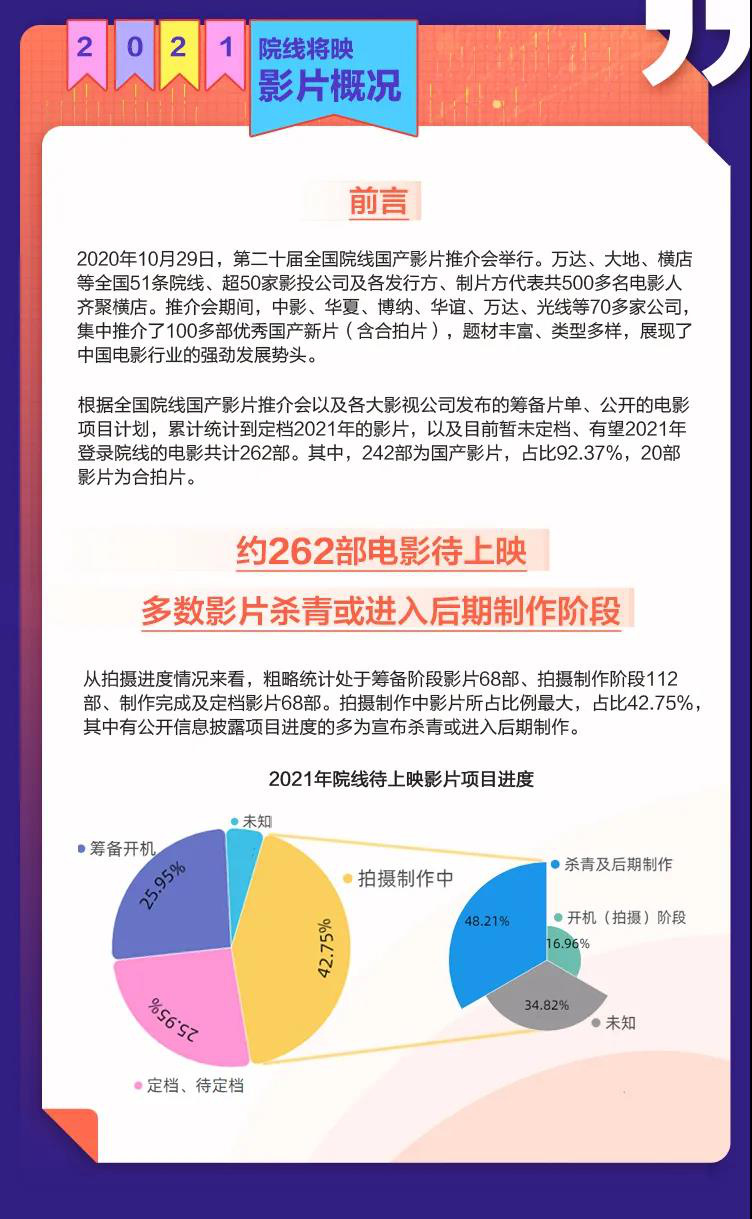
Living transplantation hotbed of murder movie "desperate heartbeat" is scary and high-risk


Realistic heart


Tony Leung Ka Fai operated in the operating room.


Be with the heart

    Living organ transplantation is a modern medical method that has developed rapidly in recent decades. Through living organ transplantation, countless critically ill patients have been cured and reborn. However, at the same time, this door still needs continuous improvement of medical technology, and there are also many mysteries that are still difficult to explain clearly. And many ugly and even vicious criminal cases that followed.

    In Europe, America, even Japan and South Korea, it is not uncommon to make a fuss about living organ transplantation and create a scary atmosphere. However, in mainland China, it is exclusive to tell cases related to living organ transplantation. A Beating Heart tells the story of a mysterious murder caused by a heart transplant operation.

    Around the heart transplant surgery in the film, the director successfully threw out a concept — — Heart memory, which roughly means that patients undergoing heart transplantation are likely to accept or even completely inherit the memory of the heart donor. The whole film "Desperate Heartbeat" is basically around the knowledge point of "heart memory" to make a fuss, and launched a thrilling and suspenseful story.

    Regarding the phenomenon of "heart memory", there have always been similar cases among many examples of heart transplant operations around the world, but due to the insufficient development of science and technology at present, a reasonable explanation has never been given to this phenomenon. Therefore, for this phenomenon, the general view of the medical community is not to deny its existence, but not to make redundant explanations.

    In the film "Desperate Heartbeat", Lin Xilei, who underwent a heart transplant, felt as if she had become another woman because of her "heart memory" — — Jiangbei Yan. Tony Leung Ka Fai, who performed a heart transplant for her, seems to have something else to hide. All the characters in the film seem to have ulterior motives. Around the heart of Lin Xilei, a life-and-death struggle is staged in horror. What is the truth behind the scenes? Only in late June, after the film is released in major theaters all over the country, wait for the audience to go to the theaters in person and find out!