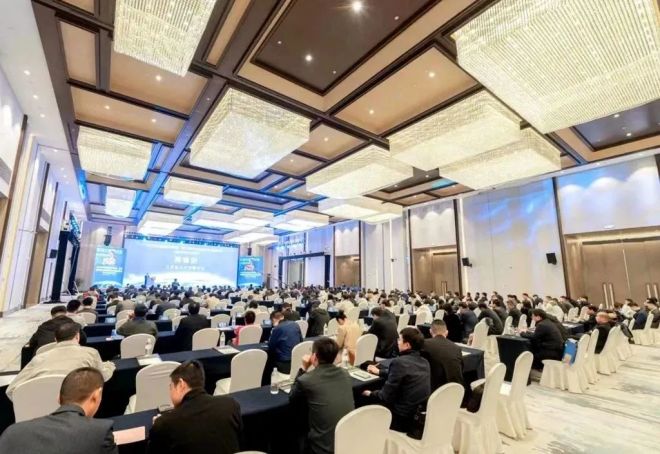
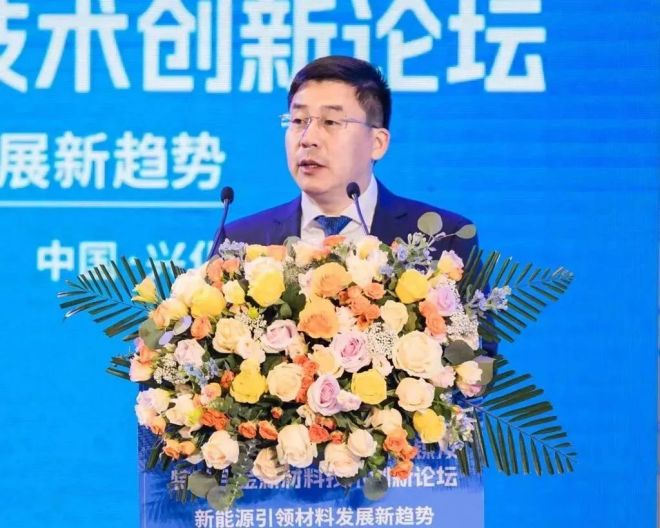
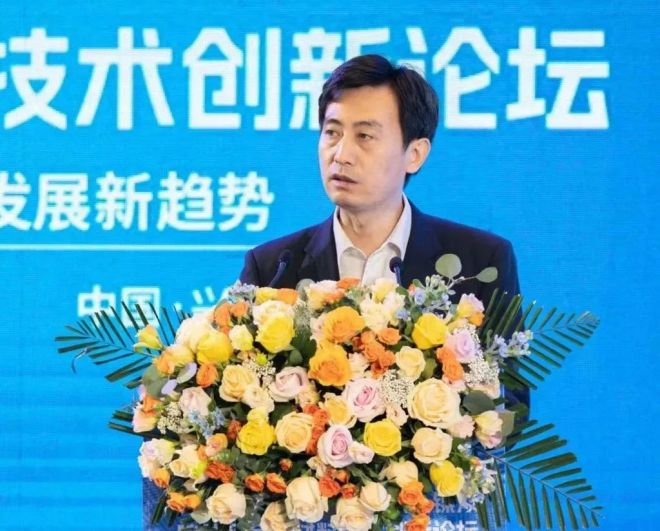
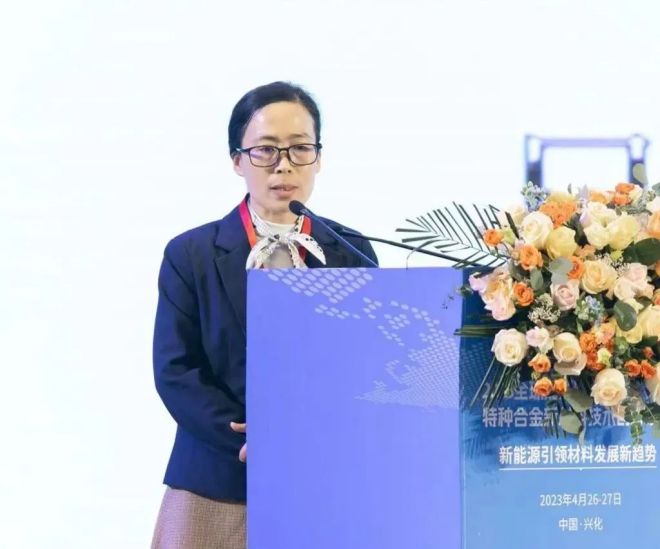
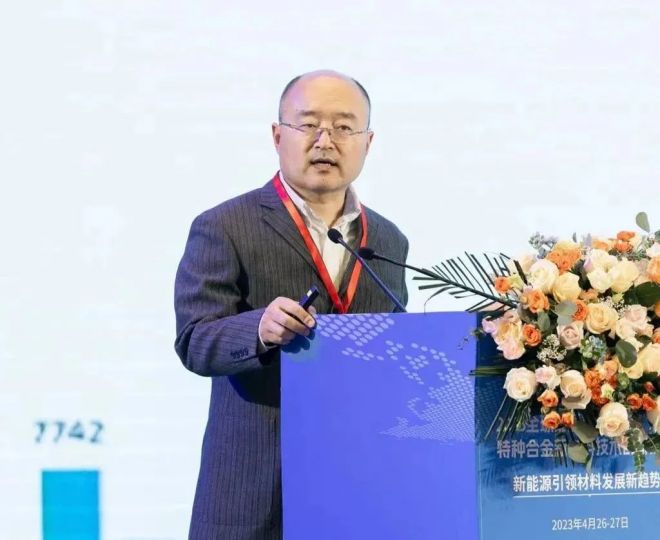
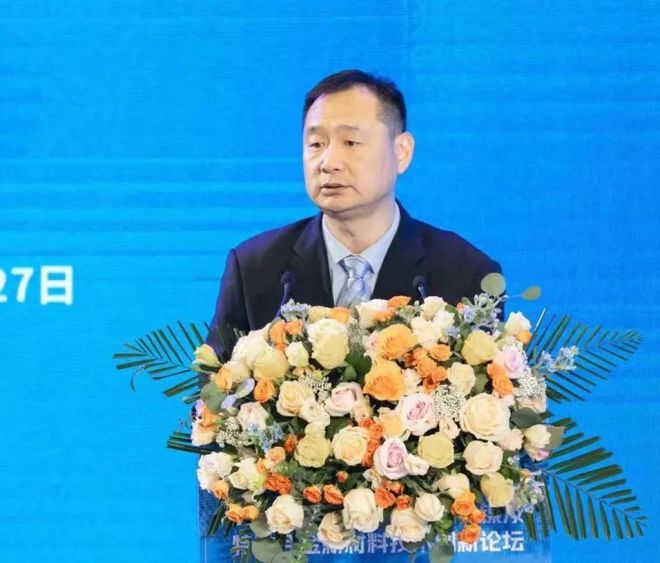
The 2023 Global Forum on Technological Innovation of Stainless Steel, Nickel and Special Alloys for Energy was successfully held.


Tesla and relevant departments are clearing the obstacles for the landing of FSD in China one by one, realizing data safety compliance and data exit arrangement, and approaching the core of the problem-training the autopilot system with user data from China.
During the Beijing Auto Show, on April 28th, at the invitation of the China Council for the Promotion of International Trade, Musk flashed in Beijing. The State Council Prime Minister Li Qiang met with Musk at Diaoyutai State Guesthouse. On the same day, Tesla passed the authoritative standards and requirements for national vehicle data security.
Tesla became the first enterprise in China to pass vehicle safety inspection. This is conducive to comprehensively lifting the ban on smart cars such as Tesla (such as government agencies, airports, highways, etc.).
These are for Tesla to launch its FSD service in China. On April 6th, Musk announced that Robotaxi (self-driving taxi service) would be released on August 8th, which is of special significance to the China market. Since then, the policies of relevant departments of Tesla and China have appeared, which seems to be a coincidence and echo.
Although users in China can purchase FSD software, its function has not been approved for use in China. At present, China car owners can use Tesla’s assisted driving Autopilot function, which can be turned on on the highway. FSD is a more autonomous driving assistance function, which can be used in urban public roads, including automatic parking, automatic lane change and traffic navigation.
There are many obstacles for FSD to land in China. In response to this matter, we analyzed it in a previous article.Possible solutions for Tesla FSD.
Landing in China FSD, Musk facesA dilemma: either allow China users to drive data out of the country to the United States; Either Tesla tries to get its FSD model to be trained in China, but this requires the deployment of Tesla in China.Computational powerCluster.Musk once said that the number of H100 owned by Tesla is second only to Meta.
In the former, the personal data of millions of car users leaving the country is a very challenging problem at present. The latter, let the United States allow the most advanced AI chips and computing clusters to be deployed in China, train local data and build models for local use, but the United States will not release them. The United States has repeatedly imposed restrictions on the export of the most advanced AI chips to China. What should we do?

If the China government lets the data out of the country, or finds a compromise, it will be a moment of "game change" and have a far-reaching impact. It will open the most spacious avenue for Musk’s FSD technology to be promoted globally.
Can a special middle zone be opened between China and the United States, such as a special area in Shanghai, where China’s data and American computing power clusters can be placed, and a data management organization can be established between the two sides to ensure that they are not used for other purposes, and both sides can control their own technologies and data.
Now, it seems to be moving in the direction we expected. China released some Tesla data abroad, while Tesla set up a computing data center in China.
Tesla realized the localized storage of data in Shanghai as early as 2021, but did not further process the data. From the commercial and technical point of view, it is the most efficient way to export China’s user data to Tesla’s American cluster for training.
Everything depends on human effort. On May 17th, foreign media reported that Tesla decided to set up a data center in China to train its autonomous driving technology. This is a major strategic shift for Tesla. Musk insisted on sending the data to the United States for training and processing.
Tesla has sold 1.8 million cars in China, and a large amount of data generated in the complicated traffic conditions in China is of great strategic significance for Tesla to promote its FSD technology in China and around the world.
Tesla may need to establish a data center with a partner in China. According to foreign media reports, Tesla and NVIDIA discussed the establishment of a computing cluster in China, but American law prohibits British communication from exporting advanced GPU chips to China. One option is to use a scaled-down H20 chip licensed by NVIDIA for export to China, or use the most advanced domestic GPU in China.
Musk also proposed to license its FSD system to China automobile manufacturers, and has already negotiated with a major manufacturer in China for authorization cooperation. At present, the price of FSD in China is about 64,000 yuan.
While China is investing in building a data center, Musk hopes to allow it to transmit data to the United States.
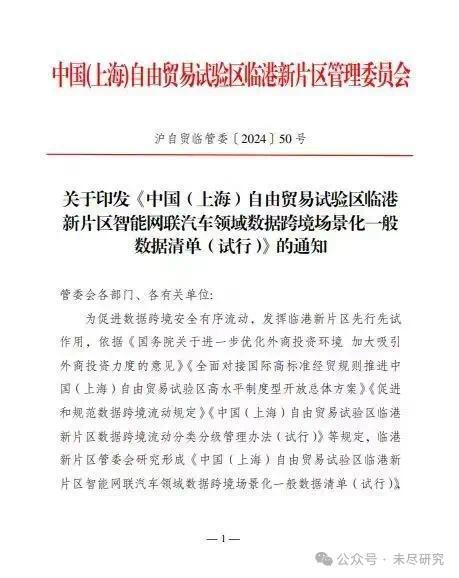
On the same day, the general data list of data cross-border scene in Lingang New Area of China (Shanghai) Pilot Free Trade Zone and its supporting operation guide were announced. The first batch of general data list includes intelligent networked automobile, Public Offering of Fund and biomedicine.
According to Xinhua News Agency, taking the field of intelligent networked vehicles as an example, the general data list specifically involves four scenarios, such as transnational manufacturing, global R&D testing, after-sales service and global trade of used cars, 23 data categories, such as R&D design data and after-sales service records, and 158 data fields, such as vehicle chassis drawings and product sludge models.
Liberation Daily also interviewed Tesla’s head of information technology in the Asia-Pacific region. He said that "the introduction of the list will bring more convenience to Tesla’s global business management, R&D testing and overseas market development."

These data do not include the personal information of Tesla owners, such as vehicle data, diagnostic data, infotainment system data and autopilot data, especially the video shared by users who are most valuable for autopilot system training. In the global after-sales service scenario of the general data list, there are data such as vehicle fault analysis, maintenance and after-sales records that really need cross-border flow during the after-sales process.
Shortly after Musk came to Beijing, on May 14th, the Biden administration of the United States announced that it would impose a 100% tariff on electric vehicles in China. As the future car networking is the general trend, the United States may completely block China’s (electric) cars from the United States on the grounds of safety.
The United States is trying to build a North American fortress of the automobile industry. The European Union is also launching a countervailing investigation on electric vehicles in China, but it will not completely break the chain with electric vehicles in China like the United States.
For China, the introduction of FSD is of great significance, which is just the beginning. Musk’s AI map also includes artificial intelligence company xAI, humanoid robot Optimus and so on.
There are only nearly two months left before Musk released his Robotaxi on August 8, and it seems that Tesla and relevant departments are moving towards that day step by step.

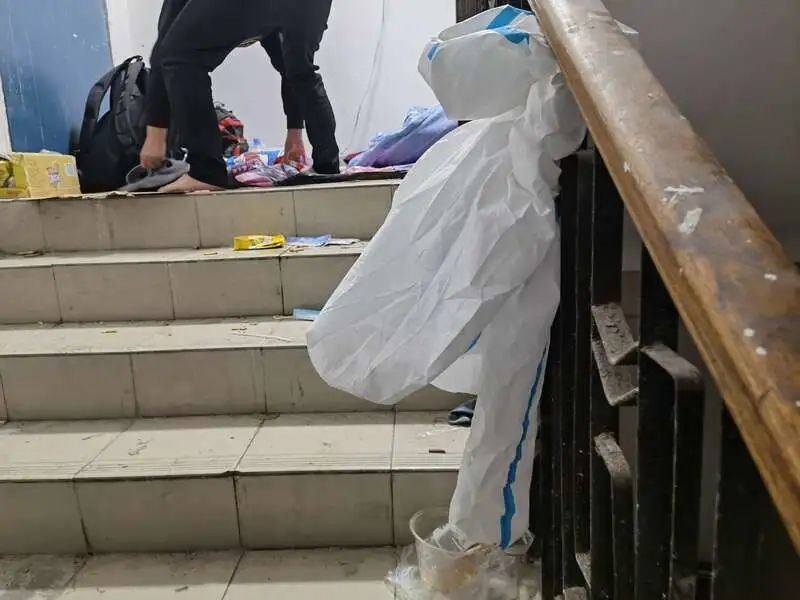
On April 30th, Ma Jiangming took off his protective clothing and rested in the safe passage of a shopping mall in Pudong New Area. Zhongqingbao Zhongqingwang reporter Yan Xueqing/photo
According to the WeChat news of Freezing Point Weekly, on April 28th, 17 "Epidemic Prevention Dabai" in Shanghai were forced to leave Dejinyuan Community in Pudong New Area after receiving wages and subsidies that had been owed for nearly one month. That night, the rain cooled in Shanghai, and they slept under a bridge in a nearby park.
"Epidemic Prevention" is their standard title on the local official attendance sheet. For more than a month, they didn’t know how to define their identity. Nominally, they are called "volunteers" by residents and residents’ committee staff. In fact, they are "migrant workers" in the prevention and control of COVID-19 epidemic in Shanghai, and they are recruited as "epidemic prevention security guards" through security companies and intermediaries.
A number of security guards reported to the reporter of China Youth Daily and China Youth Network that they had encountered problems such as "deceptive recruitment", loss of team leader, and arrears of salary subsidies.
be cheated
More than 10 interviewed players thought they were cheated to Dejinyuan Community.
Zhang lei used to work in Baoshan District, Shanghai. After the outbreak of the epidemic, the factory stopped working. He saw an intermediary named "Yang" posting job information in the recruitment group.
The recruitment information requires that there must be a nucleic acid certificate within 48 hours, and the site management arrangement must be obeyed, so that the community can be unsealed. The conditions are: 250 yuan/day, 12-hour accommodation, and salary settlement. The work address only says "Community near Beicai Town, Pudong New Area".
Zhang lei said that the working hours promised by the intermediary at that time were 3 to 15 days.
Similar recruitment information appeared in large numbers after the outbreak. The reporter saw in a number of Shanghai recruitment groups and odd jobs that in late April, the recruitment information was still maintained at dozens of posts every day, mostly involving epidemic situations: epidemic prevention and security, cleaning, killing team members, volunteers for epidemic control, group buying WeChat group business promoters, and secret transfer security guards.
The so-called "inner perimeter" refers to working in the sealed control area. Zhang lei called specifically to ask whether there were positive infected people in the work area. The other party said that "there is no positive, only secret connection" and asked him for his name and mobile phone number to complete the registration.
Zhang lei bluntly said that he cares about whether there are positive people because they can’t stand the lost working hours after isolation.
"We are migrant workers, and we really came out to work during the epidemic to make money." Zhang lei said that they work in the factory, and the nature of their work is odd jobs. They rarely sign full-time contracts, and they are basically converted into "hourly jobs" through labor agencies, which means that once they stop working, they have no income.
"But the mortgage in our hometown has not stopped, and the elderly and children are waiting to raise, and there are many expenses." Zhang lei said that they can’t be idle.
Ma Jiangming is also concerned about whether there are positive infected people in the workplace when applying for the job. In February of this year, he just came to Shanghai from other places to work, and he heard that Beicai had rushed over to recruit workers.
On March 22nd, Zhang lei and other five people arrived at their residence-Chen Qiao Neighborhood Committee of Beicai Town in Dejinyuan Community. At this time, they learned that Dejinyuan had positive infections in mid-March, and some of them had not yet been transported.
At this point, they can’t actually leave, either wear protective clothing to work or stay in the closed control area. "There must be a door to go out of the community, even if it is out of the community, how to leave Pudong is also a problem."
After the intermediary sent them to the door of the community, they disappeared and the group chat was dissolved. Until now, Zhang lei didn’t know the real name of "Yang", only remembered that the other party was a "young man" and a mobile phone number belonging to Shanghai.
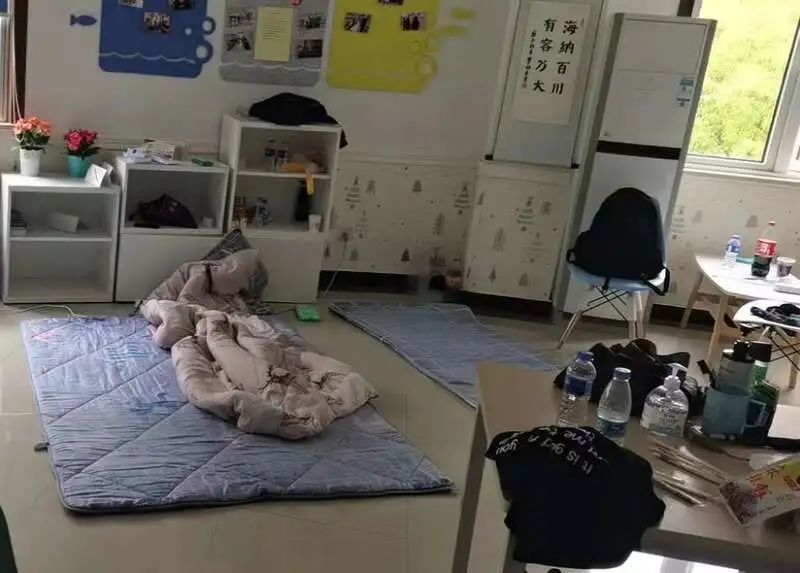
By the end of March, a total of 22 people had stayed in Dejinyuan Community, becoming "the white of internal insurance and epidemic prevention". They live in an activity room on the second floor of Chen Qiao residents’ committee. There is only one spring bed, and the other 21 people play on the floor.

The residence of Dejinyuan "Epidemic Prevention Dabai" in Chen Qiao Neighborhood Committee. Photo courtesy of respondents
Their task in Dejinyuan is to maintain the order of the positive building and nucleic acid detection in the community, dissuade residents who try to get out of the building, and send safeguard materials to the door of the positive infected person.
In the first two weeks, they have to deal with the diverse needs of residents in the community. In the eyes of residents, they are not ordinary migrant workers. "Those of us who wear protective clothing are the nearest epidemic prevention workers".
"At that time, the residents of the community were also very difficult. In addition to making money, everyone wanted to help the trapped residents do something." Team member Zhang Changshun told reporters that he was one of the first people who came to support the community on March 18th. He used to be a security guard in a nearby community and was temporarily transferred to Dejinyuan.
go missing
The salary first went wrong in early April.
The salary of more than 200 yuan for 12 hours is not high in Shanghai. Zhang Changshun said that his original security salary was more than 200 yuan a day, but it was higher than usual to be able to work "even shifts" during the epidemic.
"Working overtime" means going to work day and night. For example, the reporter saw that a recruitment information directly stated that "working overtime" was allowed, 12 hours /200 yuan, 24 hours/400 yuan and 48 hours/800 yuan.
Zhang Changshun, Ma Jiangming and others just arrived, which is called "Lian Ban". Stay on duty for 12 hours in front of the building, with a daily salary of 240-260 yuan; 24 hours on the job, double it. In the early days, two people were in charge of a building, and they could take turns to rest when they were not busy at night.
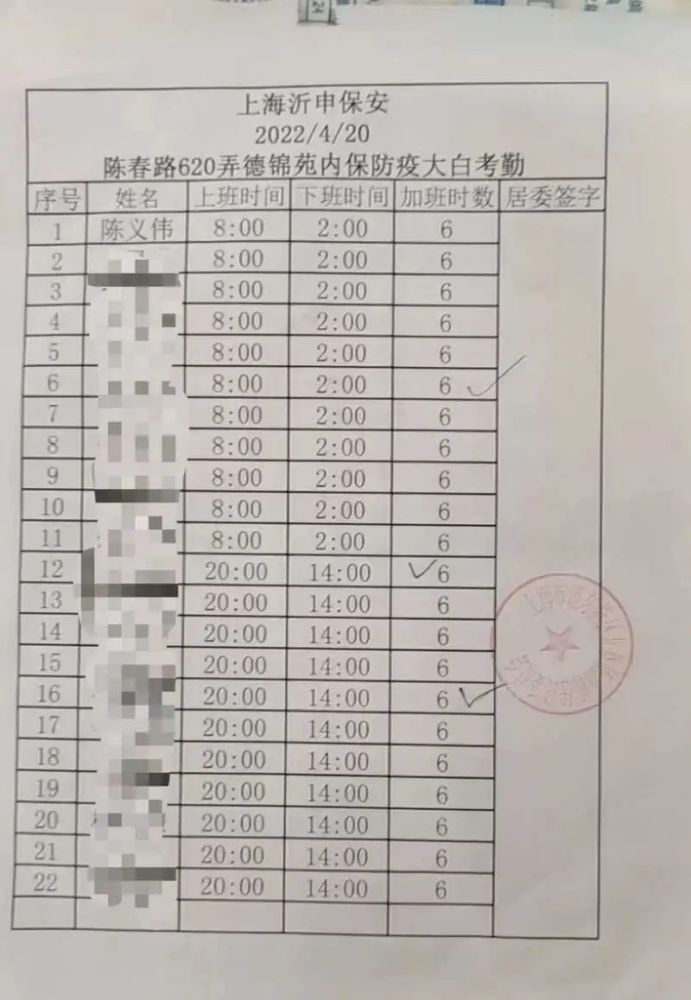
The form of "continuous shift" lasted for about a week and was cancelled. It was changed to 12 hours a day and 6 hours overtime.
On April 5th in Dejinyuan, the column of overtime hours was changed from 12 hours to 6 hours. The daily attendance sheet is stamped with the official seal of Chen Qiao Resident Committee of Beicai Town, Pudong New Area.

Attendance sheet for epidemic prevention in Dejinyuan, Yishen Security, Shanghai. Photo courtesy of respondents
"This is equivalent to reducing salary in disguise." Zhang lei said that with the outbreak of the epidemic, the number of positive buildings in the community increased. In the later period, there were 14 buildings with positive infections, and there were insufficient manpower. One person looked at two buildings. "The treatment has declined and the workload has increased."
The intermediary promised to pay wages within 15 days. Originally, their attendance and wages were the responsibility of the team leader Chen Yiwei. After Chen Yiwei delayed the issuance many times, on April 26, he suddenly lost contact.
After the news came out, some residents of Dejinyuan were worried.
As the epidemic prevention security guards went to defend their rights, the building was unattended. A resident saw his neighbor living in the closed building go out of his house, worried that the epidemic prevention achievements would be "destroyed once and there was no hope of unsealing", and called on everyone to contribute to solving the wage arrears problem of "epidemic prevention" in the community WeChat group.
"Chen Yiwei’s running must have been thought out early and premeditated." Zhang Changshun said that on April 19th, Chen Yiwei borrowed 1000 yuan money from him, saying that he needed money.
Chen Yiwei is the "biggest spender" in the team. His money is mainly used for "dumping materials" in Dejinyuan.
A number of team members said that Chen Yiwei got milk, coke, sprite, cigarettes, alcohol and other materials, and then sold them to residents and team members at high prices. This kind of materials once belonged to "rare goods" in the closed control area.
Many residents who bought materials from Chen Yiwei kept transfer records. Some residents told reporters that a bottle of alcohol with a market price of more than 40 yuan would cost more than 200 yuan from Chen Yiwei. A daily price of 110 yuan cigarettes, from Chen Yiwei’s hand to increase the price of 100 yuan.
On April 24th, the number of times that Chen Yiwei borrowed money reached a peak, and he kept borrowing money from the team members and some residents of Dejinyuan Community. According to incomplete statistics, nearly 10 players borrowed more than 9000 yuan from Chen Yiwei. The number of loans borrowed by residents is unknown.
Chen Yiwei once borrowed a battery car from Wei, a resident of the community. A team member said that he saw Chen Yiwei "running away by bike". At the same time, Chen Yiwei took away 21 players with a total living expenses of 21,000 yuan.
Since April 26, the team members have repeatedly called Chen Yiwei’s mobile phone number and WeChat, but they can’t get through. Before the press release, the reporter dialed Chen Yiwei’s mobile phone number, and the other party showed that it was turned off.
ask for help
After learning about it, some residents of Dejinyuan also spontaneously called and posted online posts for help and rights protection.
On April 27th, Zhang lei was called to the door by three strangers, who told him to stop making trouble.
Zhang lei and other team members called 12345, 12333, 12348 and other hotlines to report and reported to the police.
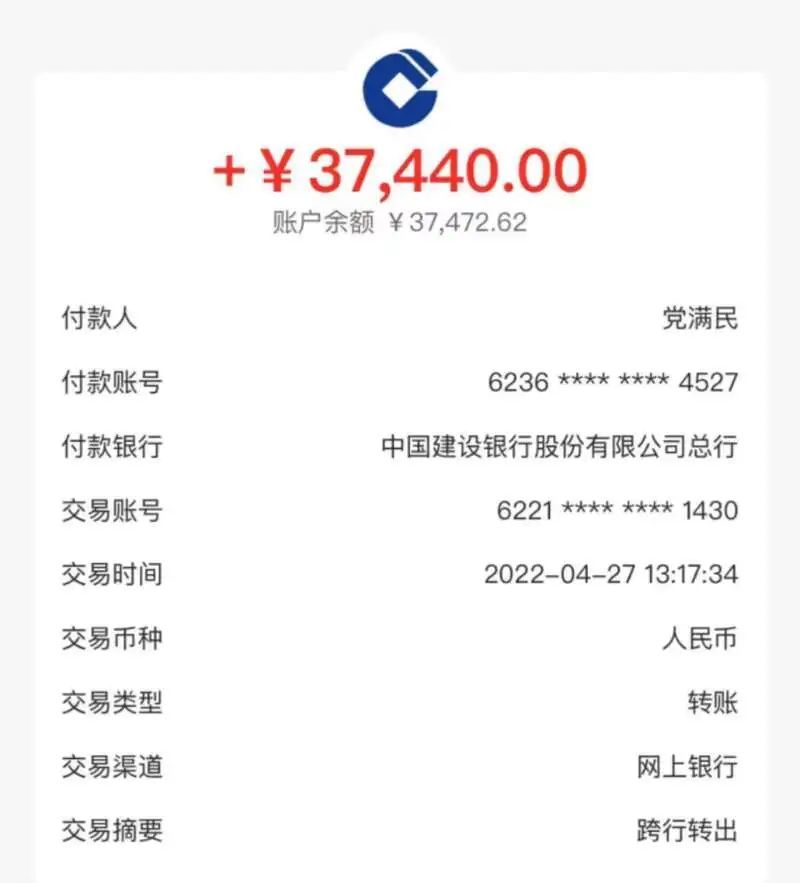
After the intervention of Beicai Town Government, two staff members who claimed to be Shanghai Yishen Security Company came to negotiate with them to pay the arrears of wages. One is called Dang Man Min, and the other is Zhuo.
Party Manchu paid 21 epidemic prevention security guards the salary and overtime allowance before April 26th, calculated as 18 hours per day, and asked them to remain on duty.

The players were divided into several groups and received wages and subsidies from the party and the people. Photo courtesy of respondents
They are worried about future problems and hope to sign a written employment agreement. On the evening of April 28th, a new captain came to the community, saying that new personnel would join in and asked the original epidemic prevention security guards to make room. In the end, 17 members including Ma Jiangming left Dejinyuan Community in the rain.
On May 1st, a person in charge of the Chen Qiao neighborhood committee in Beicai Town told the reporter of Zhongqingbao. com that the problems reflected by the "Great White Epidemic Prevention" had been solved, and 17 people left for "transferring posts" and "changing to other communities".
He said that it is not clear whether these "big whites" come from intermediary companies or security companies. "They are all operated from above and have nothing to do with the Jucun Committee." They are only responsible for the reception of personnel after they come in. "Other things don’t matter."
The relevant departments of Shanghai told the reporter of Zhongqing Daily and Zhongqing.com that Pudong New Area has been involved in handling this matter. The reporter asked the relevant departments of Pudong New Area, Beicai Town and Shanghai Yishen Security Company about the situation. As of press time, no response was received.
Zhang lei and others denied "post adjustment".
They can’t rest under the bridge in the park any longer. On April 29, the city management unit inspected. "I heard that someone reported us." Ma Jiang said.
Four of them found a hotel, "beds, 40 to 50 yuan per person a day". The rest are going to stay under the bridge for two days.
Ma Jiang said that it has been raining for many days in Shanghai, and it is difficult to find places where no one lives, such as bridge opening, corridors and underground garages, and so on, until you find a job.
On the evening of 29th, Zhang lei told the reporter a "good news"-he and three workmates "came out of Pudong New Area". They found a taxi with a pass through the introduction of friends with channels. From Beicai Town to Baoshan District, the whole journey is about 38 kilometers, and each person is in 300 yuan. Four people paid the driver a total of 1200 yuan.
Ma Jiangming found a new job through an intermediary. "I still do epidemic prevention and help doctors who do nucleic acid testing’ label’. "He repeatedly confirmed the information to the intermediary, and the intermediary made a guarantee," 400 yuan can have a normal rest one day and at night ".
They walked 3 kilometers to the work place and found that there was no doctor there, only an isolation point under construction. "Let’s build a shed and be cheated again."
That night, they found an underground garage in a shopping mall and planned to spend the night there. When they went inside, they found that it was occupied. There is no one on the second and third floors of the safe passage, where they make a floor and temporarily settle down.
(At the request of the respondents, Zhang lei, Ma Jiangming and Zhang Changshun are all pseudonyms.)
Original title: 17 epidemic prevention security guards in Shanghai were cheated, and now they spend the night under the bridge and in the corridor.
[Disclaimer] Manuscripts not marked with "Source: Upstream News" or "Upstream News LOGO, Watermark Text, Pictures, Audio and Video" on the upstream news client are all reposted. If the reposted manuscript involves copyright issues, pleaseContact upstream.
On November 29th, China declared "China’s traditional tea-making skills and related customs" included in the UNESCO representative list of human intangible cultural heritage. So far, 43 projects in China have been listed in UNESCO’s intangible cultural heritage list, ranking first in the world! Who are the 43 World Intangible Heritage Sites? Come and find out ↓↓↓
List of representative works of human intangible cultural heritage (35)
Selected year: 2022
Traditional tea processing techniques and their associated social practices in China

Tea flourished in the Tang Dynasty and flourished in the Song Dynasty. China is the earliest country in the world to plant and make tea. The traditional tea-making skills and related customs in China are related to the knowledge, skills and practice of tea garden management, tea picking, hand-made tea, and tea drinking and sharing.
Selected year: 2008
Kunqu opera

Kunqu Opera is one of the oldest existing operas in China, which originated in the Ming Dynasty. The singing of Kunqu Opera has a strong artistic quality, which has a great influence on all modern dramas in China.
Guqin art

Guqin is the most representative solo instrument in China, which has a history of more than 3,000 years in China. Guqin has seven strings and thirteen emblems, and players can play four octaves through ten different plucking methods.
Xinjiang Uygur Muqam Art

"Xinjiang Uygur Muqam" is the general name of all kinds of Muqam that spread in various Uygur inhabited areas in Xinjiang, China, and it is a large-scale comprehensive art form integrating singing, dancing and music.
Mongolian long-tune folk songs (jointly declared by China and Mongolia)

Long tune is a lyric song, which consists of 32 melodies with a lot of decorative sounds. It praises beautiful grasslands, mountains and rivers, praises parents’ love and close friendship, and expresses people’s thinking about their fate.
Selected year: 2009
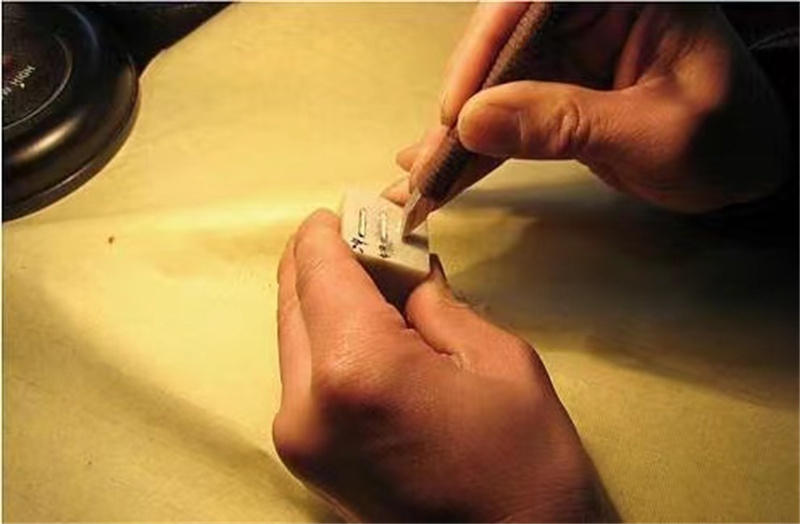
China seal cutting

China seal cutting is a unique engraving art with stone as the main material, carving knife as the tool and Chinese characters as the representation.
China’s woodblock printing technology

Block printing technology is a special technology that uses a knife to carve characters or patterns on a wooden board, and then uses ink, paper, silk and other materials to print and bind books. It has a history of more than 1,300 years, which has created a precedent for human copying technology.
China’s calligraphy

China’s calligraphy developed with the emergence and evolution of Chinese characters. After more than 3000 years, it has become a representative symbol of China culture.
Chinese paper cutting

Chinese paper-cutting is a folk art that uses scissors or a carving knife to cut and carve patterns on paper to decorate life or cooperate with other folk activities.
China traditional wooden structure building construction skills.

China’s traditional wooden building construction technology is a building construction technology system with wood as the main building material, tenon and mortise as the main combination method, and modular system as the scale design and processing production means, which has been extended for more than 7,000 years.
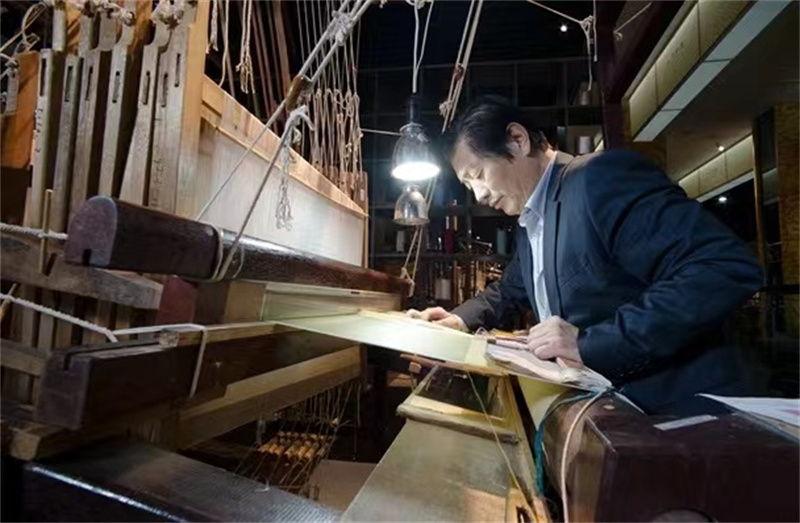
Craftsmanship of nanjing yunjin brocade

Craftsmanship of nanjing yunjin brocade has the tradition of royal weaving in China and is the representative of the highest level of brocade skills in China.
Dragon Boat Festival

Dragon Boat Festival is a traditional festival in China, which falls on the fifth day of the fifth lunar month. It has a history of more than 2,500 years. The festival custom of driving away drugs and evil spirits has spawned a variety of folk activities such as sacrifice, entertainment and health care.
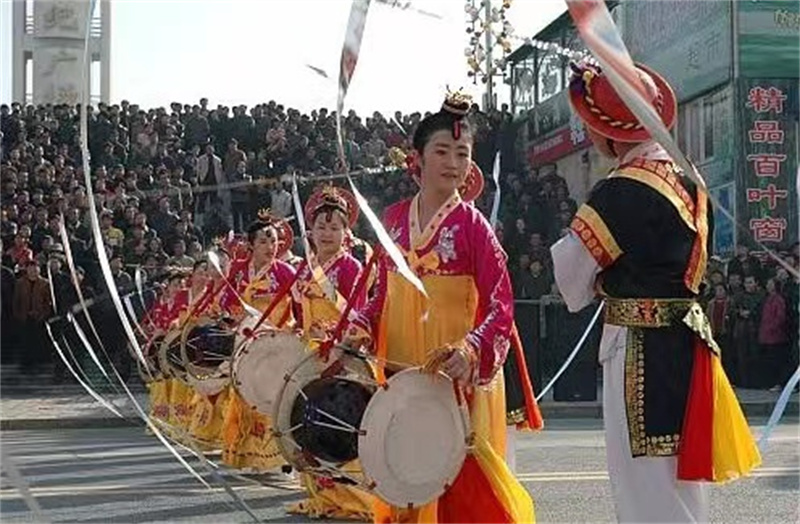
China Korean Nongle Dance

China Korean agricultural music dance is a folk performing art which integrates performance, singing and dancing, reflecting the traditional farming production and life, offering sacrifices to pray for blessings and celebrating the harvest. Dance has the characteristics of ecology, simplicity, roughness and harmony.
Mazu believes in customs

Mazu is the most influential patron saint of navigation in China. Mazu’s belief in customs is a folk culture with the spirit of worshiping and praising Mazu’s virtue, doing good deeds and loving love as its core, Mazu Palace and Temple as its main activity place, and customs and temple fairs as its manifestations.
Mongolian Humai Singing Art

Humai is a magical singing art created by Mongolians: a singer sings two parts at the same time with his own vocal organs. Among the folk songs of various nationalities in China, it is unique.
Nanyin

Nanyin is a performing art that combines singing and playing, and it is one of the oldest existing music types in China. Nanyin is sung in Quanzhou dialect, mainly with pipa, flute, erhan, sanxian, clapper and other musical instruments, and the music is written with five Chinese characters of "six thoughts and one thought".
Regong art

Regong art mainly refers to Thangka, murals, pile embroidery, sculpture and other Buddhist plastic arts, and is an important art school of Tibetan Buddhism. Its content is mainly Buddhist native stories, historical figures and myths and legends.
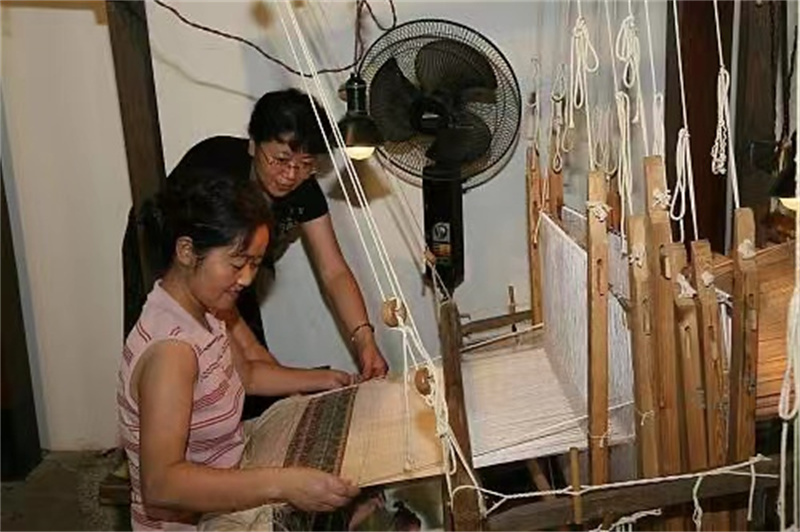
China traditional mulberry silk weaving skills.

Sericulture is a great invention of China and a cultural symbol of Chinese national identity. This heritage includes the production techniques in the whole process of planting mulberry, sericulture, reeling, dyeing and silk weaving, the tools and looms used in the process, the silk products such as silk, gauze and so on, and related folk activities.
Traditional firing techniques of Longquan celadon

The traditional firing technique of Longquan celadon is a traditional handicraft with the characteristics of production, skill and artistry. It has a history of more than 1700 years.
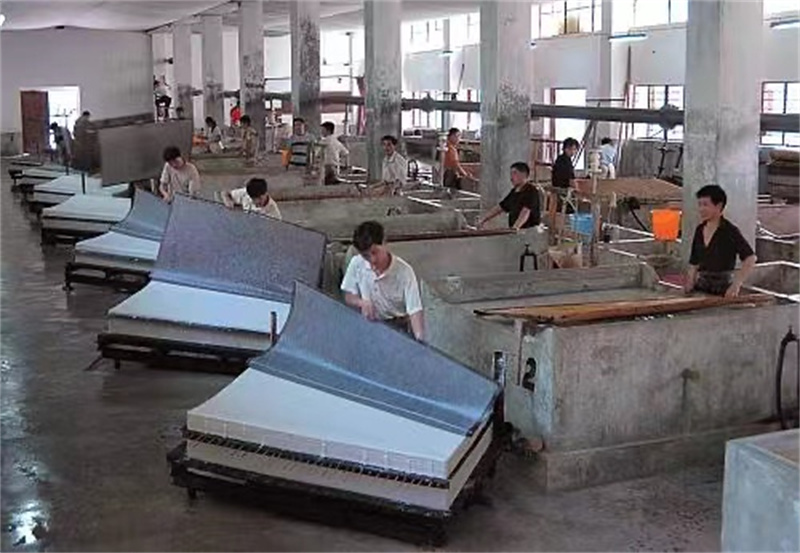
Traditional production techniques of rice paper

Papermaking is one of the four great inventions in ancient China. Xuan paper is an outstanding representative of traditional handmade paper, which has the characteristics of soft texture, no decay and so on.
Xi’ an drum music

Drum music in Xi ‘an is a kind of drum music that spreads in Xi ‘an and its surrounding areas. Band organization is divided into percussion instruments and melody instruments, and the playing forms are divided into sitting music and playing music.
Cantonese opera

Cantonese opera is a drama style sung in Cantonese, with a history of more than 300 years. It has absorbed various musical and dramatic elements, and perfectly combined the bangzi and Erhuang tune with the phonology of Cantonese dialect.
Flowers

Hua ‘er was born in the early Ming Dynasty (around 1368 AD), and it is a folk song shared by Han, Hui, Tibetan, Dongxiang, Baoan, Salar, Tu, Yugur and Mongolians in the three provinces (regions) of northwest China. Named for comparing women to flowers in the lyrics.
Manas

The Kirgiz epic Manas, which has been sung for thousands of years, is one of China’s three major epics, among which the most famous is the genealogical legendary narrative of Manas and its eight generations of heroes, with a length of 236,000 lines, which is the "encyclopedia" of Kirgiz’s outstanding creation and oral inheritance.
Gesa (Si) er

Gesar is a grand narrative about the sacred achievements of Gesar, an ancient Tibetan hero. The epic tells the heroic story of King Gelsall who devoted himself to the lower world to save the living beings, led the people of Lingguo to subdue demons, suppress the strong and help the weak, resettle the Three Realms, complete the human mission, and finally return to heaven.
Dong people’s big songs

Dong folk songs are the general name of Dong folk multi-voice folk songs without accompaniment and command. Including voice songs, narrative songs, children’s songs, stepping on the hall songs and blocking the road songs.
Tibetan opera

Tibetan opera is a Tibetan drama with masks and songs and dances, which was formed in the 14th century and spread in the Qinghai-Tibet Plateau. The repertoire is eight traditional Tibetan operas, most of which are myths and legends in Buddhist scriptures to persuade the good and punish the evil.
Selected year: 2010
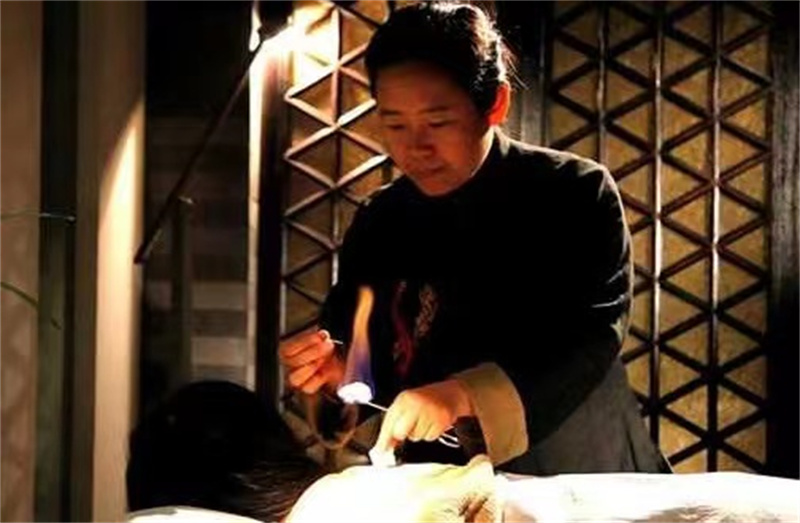
Chinese medicine acupuncture

Acupuncture is a medical method in traditional Chinese medicine. Acupuncture theory holds that the human body is like a small universe connected by various meridians. By physically stimulating the meridians, it is possible to promote the self-regulation function of the human body and bring health to patients.
Beijing Opera

Beijing opera is a performing art that combines singing, reading, doing and playing. The singing and reading of Peking Opera mainly use Beijing dialect, while the script is written according to a series of strict rules that pay attention to form and rhythm.
Selected year: 2011
Chinese shadow puppetry

Chinese shadow play is a kind of drama form with colorful shadow puppets made of leather or paper, accompanied by music and singing. Shadow puppeteers manipulate shadow puppets with wooden poles behind the scenes, and create dynamic images by shining light on translucent curtains.
Selected year: 2013
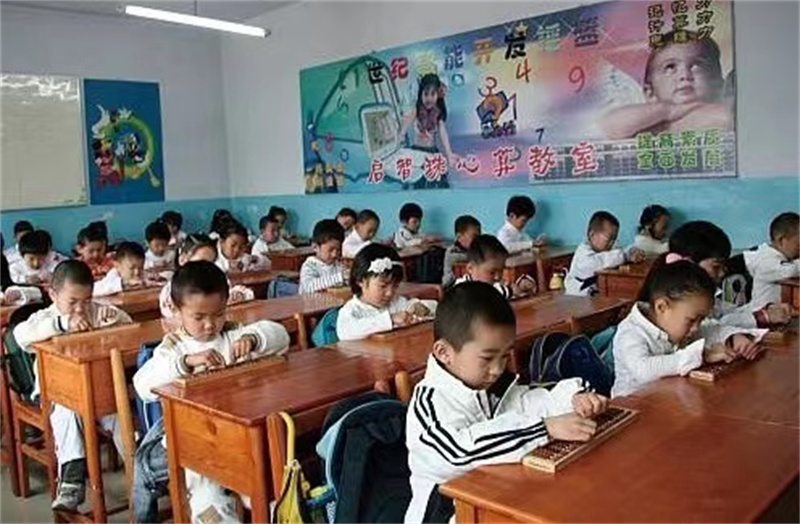
China’s Abacus Calculation —— Knowledge and Practice of Mathematical Calculation with Abacus

Abacus calculation is a method of digital calculation with abacus as a tool. Abacus is a great invention of the ancestors of the Chinese nation, and its contribution in the history of the development of the Chinese nation is no less than any of the "four great inventions".
Selected year: 2016
Twenty-four solar terms-Chinese’s time knowledge system formed by observing the annual movement of the sun and its practice

"Twenty-four solar terms" is a knowledge system and social practice formed by Chinese by observing the annual movement of the sun and recognizing the changing laws of seasons, climate and phenology in a year. The ancients in China divided the annual movement track of the sun into 24 equal parts, and each equal part was a "solar term", collectively called "24 solar terms".
Selected year: 2018
Tibetan Medicine Bath Method —— Knowledge and Practice of Life and Health and Disease Prevention of Tibetans in China

Tibetan medicine bath method, called "soaking" in Tibetan, is the traditional knowledge and practice of Tibetan people to adjust their physical and mental balance and realize life health and disease prevention by bathing in natural hot springs or water juice or steam boiled by drugs under the guidance of the life view of "five sources" of earth, water, fire, wind and air and the health view of "three causes" of Long, Chiba and Bacon.
Selected year: 2020
Tai Ji Chuan

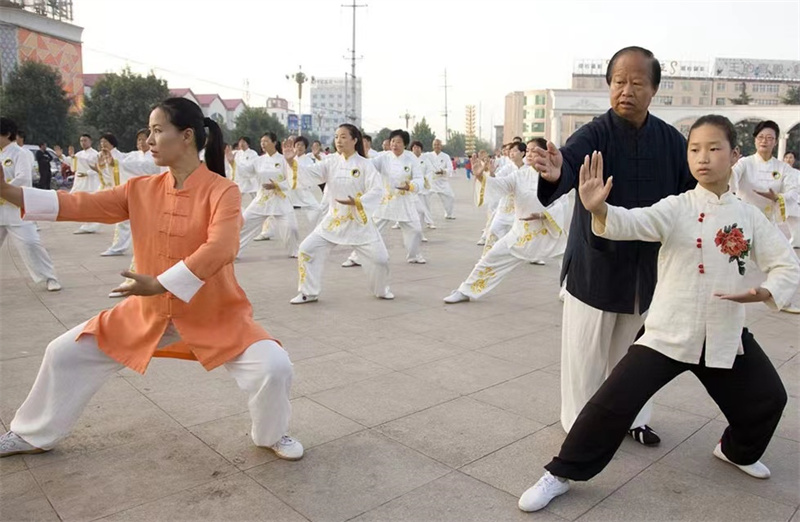
Tai Ji Chuan is a traditional sports practice based on China’s traditional philosophy and concept of health preservation, which is based on the cycle of Yin and Yang and the unity of man and nature. This heritage project pays attention to the cultivation of ideas and the adjustment of breathing, with five steps and eight methods as the core movements, and routines, exercises and pushing hands as the movement forms.
"Sending the King’s Boat —— Ceremony and Related Practice of Sustainable Contact between Man and the Ocean" (Joint Declaration of China and Malaysia)

Sending the king’s boat is a ceremony widely spread in Minnan, China and the coastal areas of Malacca, Malaysia, which has both commonness and locality. In southern Fujian, it is mostly held every three or four years when the northeast season is windy in autumn; In Malacca, it is mostly held in the leap year of the lunar calendar and on the auspicious day in the dry season. The ceremony lasted for several days or months.
List of intangible cultural heritage in urgent need of protection (7)
Selected year: 2009
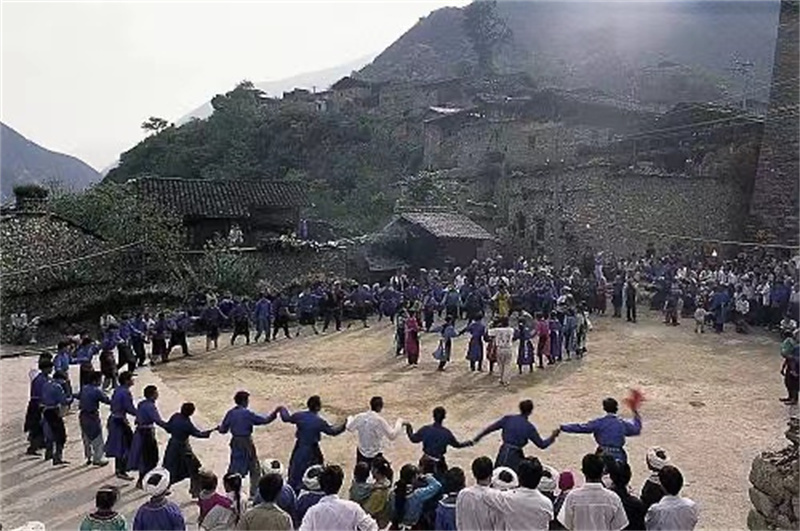
Qiang nian

The Year of the Qiang is a traditional festival of the Qiang people in Sichuan, China Province, and it is celebrated on the first day of the tenth lunar month every year.
Li nationality’s traditional spinning, dyeing, weaving and embroidery skills

The traditional spinning, dyeing, weaving and embroidery technique of Li nationality is a kind of textile technique created by Li nationality women in Hainan, China Province. It integrates spinning, dyeing, weaving and embroidery, and uses cotton thread, hemp thread and other fibers to make clothes and other daily necessities.
Traditional construction techniques of China wooden arch bridge

The construction technology of China wooden arch bridge with beams is to use log materials, traditional wooden building tools and manual techniques, and use core technologies such as "beam-making" to connect with tenons and mortises to form an extremely stable arch bridge technology system.
Selected year: 2010
Maxi Refu

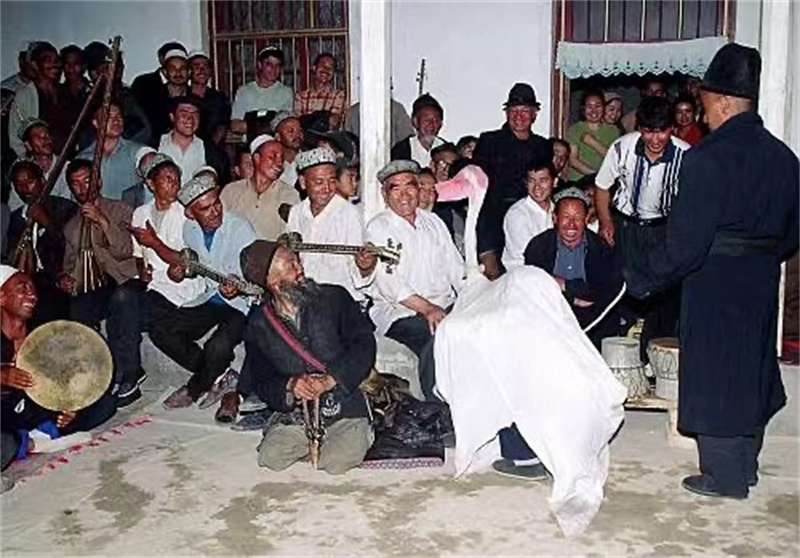
Maixi Refu is the most important bearer of the cultural tradition of the Uygur people. The complete activities of Maixi Refu include a series of rich customs and performing arts, such as music, dance, drama, folk art, acrobatics, oral literature, diet and games.
Manufacturing technology of China watertight compartment blessing boat.

The manufacturing technology of watertight compartment was developed in Fujian Province in the south of China, which made it possible to build a seagoing vessel with watertight compartment. The key technologies that need to be applied in the manufacture of this sailboat are: tenon joint and stern joint, which refer to the tongue-and-groove joint of wooden boards respectively, and the technology of using ramie, tung oil and lime as blocking materials for the joints between wooden boards.
Chinese movable type printing

China’s wood movable type printing is one of the oldest printing technologies in the world, and Ruian, Zhejiang Province has maintained this technology, where it is still used to compile genealogy. Men are trained to carve Chinese characters and print them after engraving, word picking and typesetting.
Selected year: 2011
Imakan of Hezhe nationality

Imakan is an important part of Hezhe people’s world outlook and historical memory in northeast China. Imakan narrates in Hezhen language, in the form of poetry and prose, and consists of many independent tracks, describing tribal alliances and wars, including the story of Hezhen hero beat the devil and invaders.
List of Excellent Practices (1)
Selected year: 2012
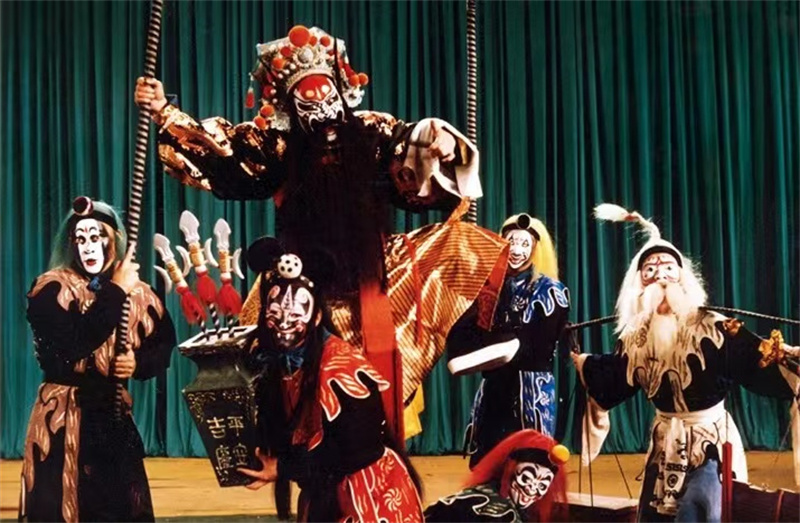
Strategy for training coming generations of Fujian puppetry practitioners

Fujian puppet show is an outstanding representative of China’s puppet performance art, and its main performance forms are marionette and palm puppet. Since the 1980s, with the changes in production and lifestyle, and the complicated performance techniques of Fujian puppet shows, young people’s willingness to learn and inherit has declined, and there are few successors to Fujian puppet shows. Since 2006, relevant communities, groups and representative inheritors have formulated the "Fujian Puppet Show Successor Training Plan" from 2008 to 2020 around the main goal of cultivating inheritors. Through systematic professional training, cultivate a new generation of puppet show practitioners and improve the survival ability of Fujian puppet show; Through holistic protection, we can cultivate potential puppet show practitioners and appreciators, improve the living environment of Fujian puppet show, and effectively promote the protection and inheritance of Fujian puppet show.
(Editing Zhang Xiaoqing’s graphic materials are all from China Intangible Cultural Heritage Network)

Male nannies are still a minority in the market.
Near the end of the year, the topic of "Chinese New Year nanny’s daily salary exceeds that of 500 yuan" has attracted attention. According to media reports, during the Spring Festival in 2020, the price of domestic service personnel will all rise, and the daily salary of full-time nannies will also start in 300 yuan, and the highest can reach above 500 yuan.
Every year when the Spring Festival is approaching, the salary and shortage of nannies will cause heated discussion. Families who need to hire nannies also say that it is not easy to find a suitable nanny during the Chinese New Year.
So, what’s the situation of Hangzhou nanny market this year? Qianjiang evening news recently visited the domestic service market in Zhaohui, Hangzhou, and chatted with the agents and aunts.
"Aunt in short supply? You see, we sit here every day waiting for the aunt hired by the employer. " Zhang Fengjuan, head of Chengwang Home Economics Service Department in Hangzhou Zhaohui Home Economics Service Market, said that it is now more difficult to match the needs of both parties: employers have their own set of standards for choosing people; When aunts take jobs, most of them have to weigh various factors such as labor remuneration and service intensity.
3,300 yuan to chat for a month, no one did it.
"Where are you from?" "How old?" "Going back to your hometown in the New Year?" … … On December 25th, Mr. Wang, a 50-year-old Hangzhou native, wanted to find a nanny for his 75-year-old mother. "My mother lives in an apartment for the elderly, and she is taken care of for eating and washing, and her actions are fairly comfortable. She just wants to find someone to talk with her and look after her at night."
He soon surrounded a circle of aunts, but none of them had the will to take this job.
"The monthly salary is 3,300 yuan, and the Chinese New Year is coming soon. Such a price will definitely not be found." An aunt from the Northeast is very honest and frank: Even though this kind of work is relatively easy, their main purpose is to make money. "Without money, everything else is useless.".
At 3: 00 pm, there are few employers looking for domestic service, and aunts sit and chat in twos and threes, and also share some recruitment news. "I just came to an employer and lived in a five-story villa. It costs 6,000 yuan a month. Will you do it?" An aunt asked. Soon, many aunts around began to discuss. Some people estimated that "cleaning the fifth floor, cooking and looking after the children are very tired and unbearable." Someone bluntly said, "Such a heavy job is not cost-effective."
Within a few hours of the reporter’s squatting in the domestic service center, some employers came one after another, but few of them actually signed the contract. Mr. Huang, 51, wanted to find a live-in nanny for the elderly at home. He went around the market several times and didn’t find the right one. He said, "During the Chinese New Year, my salary will definitely go up, and I can accept it, but the main reason is that there is no eye fate. Choosing a nanny depends on the eye fate."
It’s hard to find a job after 60.
Aunt Han from Jiangxi has been waiting in the market for several days, but she hasn’t waited for her employer. She said, the main reason is my age. "I am 62 years old this year. Many employers will think I am too old, afraid that I will not do things neatly, and I am afraid that I will have physical problems at home and cannot afford this responsibility."
"Of course, people in their forties are the most popular," Aunt Han observed some aunts who were negotiating with their employers, and was a little unconvinced. "They are confident, mainly young, but many of them are not as experienced as me."
During the interview, Aunt Han told reporters not to always write "nanny shortage". "Look, where is the shortage? Aren’t they all waiting aunts?" She recalled that last year, the market suddenly flooded into a group of "unfamiliar faces" aunts. These aunts said that they saw on TV that Hangzhou was "aunt shortage" and their wages were high, so they ran from Wenzhou and Taizhou. "As a result, I found that this was not the case at all and went back the next day."
Aunt Han also complained that the arrival of a large number of "young" aunts would take away her few opportunities.
Male nanny wronged: I can cook and wash clothes.
"Where did you come from?" "I’m not doing it at home now. I’m a security guard."
"Why did you come here?"
"Being a nanny again."
An aunt sat next to Lao Zhang and chatted with him. Lao Zhang, 51, was the only male candidate in the market that day. He changed from security guard because he felt that the income from work in the domestic industry was stable. "There are few cases of wage arrears and family warmth."
As early as 2006, Lao Zhang entered the domestic industry. Later, because the acceptance of male nannies decreased, he began to find other jobs.
Lao Zhang said that most families don’t accept male nannies. On the one hand, many male nannies smoke and drink, causing dissatisfaction among the elderly in the family, "ruining the atmosphere." In addition, male nannies spend more on eating and drinking at home. "For example, if a woman eats a bowl of rice, we may have to eat two bowls, which is a bit too much for the average family."
The aunt on the side took the conversation. "The male nanny is completely uncompetitive compared with us. Cleaning, washing clothes and cooking are all done well by women. "
Lao Zhang was anxious. "I can cook and wash clothes as well, and I am stronger than you."
Lao Zhang decided to try again while the Chinese New Year was coming. He said, "It’s best to find a long-term nanny. If not, you can be a short-term babysitter with high salary."
Aunties gave him advice. Generally, after the twentieth day of the twelfth lunar month, there will be a "replacement tide", and many nannies who used to live at home may come out to be substitutes. The salary depends on the workload of the new employer’s family, usually 300-500 yuan a day.
Lao Zhang immediately asked after listening, "Is 500 a day to see the elderly or children?" "Children, of course."
Lao Zhang gave a cry and stopped talking. He knows that the elderly who are seriously ill or fat are more willing to choose him.
Chinese New Year red envelopes test the employment relationship best.
In Zhaohui domestic service market, we know that during the Chinese New Year, most aunts hope that their employers can double their wages or give them a big red envelope. Many aunts said that employers usually give them a salary increase, red envelopes and clothes during the Spring Festival. If some employers don’t want to, they may quit their jobs or jump ship when the Spring Festival approaches, and come to the domestic market to see new opportunities.
"But most aunts still go home during the Chinese New Year, and there are indeed a few substitutes." An aunt said.
Aunt Ke, who is going to stay in Hangzhou for the Spring Festival this year, said that the salary for the Spring Festival is expected to be one day in 400 yuan. However, she said that domestic service agents are unwilling to raise prices too high. "They are afraid of disrupting the market, and they are afraid that the asking price will be too high and the signing rate will be reduced, which will affect their commission." So sometimes, she will make two preparations, talk to her employer herself, or go to the intermediary to sign an agreement. "Without an agreement, there is no guarantee."
At present, Aunt Ke has a potential employer and is very satisfied with her, but Aunt Ke still wants to wait and see. "Because I need to take care of an old man with a stroke." She said that most aunts are more willing to take care of children, and their wages are relatively high. Generally, they spend more than 6,000 yuan a month to look after children and 4,000-5,000 yuan to take care of the elderly.
In the domestic service market, we also found that most of them came from older aunts and employers.
"Now many post-80s and post-90s couples are looking for domestic service, and they prefer to find it on various Internet platforms, which will also divert some customers. Most of the people who come to the housekeeping center to find their aunts are elderly people. " Zhang Fengjuan said that now, some young aunts will also choose to call the domestic service platform online.
Should I give the nanny a red envelope during the Spring Festival? (Reporter Chen Xi)

Exotic flowers, animals and birds, life celebrations … In the Li brocade interwoven with red, yellow, blue and white, warm fingers and delicate silk thread weave together the craftsman’s pursuit of beauty and respect for tradition, inheriting skills and conveying wisdom and emotion. Recently, the traditional spinning, dyeing, weaving and embroidery skills of Li nationality have been transferred from UNESCO’s List of Intangible Cultural Heritage in Urgent Need of Protection to the List of Representative Works of Intangible Cultural Heritage of Humanity. This progress means that this 3000-year-old skill has grown after protection and development, with more and more inheritors and stronger survival.
2024 marks the 20th anniversary of China’s accession to the UNESCO Convention for the Protection of Intangible Cultural Heritage. In the past 20 years, China has made universally recognized achievements in the field of intangible cultural heritage protection, and the transcripts of intangible cultural heritage protection in China are shining. Forty-four projects have been listed in UNESCO’s representative list of intangible cultural heritage, ranking first in the world, which is not only a high praise for China’s intangible cultural heritage protection work, but also an affirmation of China’s efforts to maintain global cultural diversity. At the domestic level, the State Council has published 1,557 national intangible cultural heritage projects, the Ministry of Culture and Tourism has identified 3,056 national intangible cultural heritage inheritors, and there are more than 100,000 national, provincial, municipal and county intangible cultural heritage list projects. These data are undoubtedly the best proof of the richness and protection of intangible cultural heritage resources in China.
It is particularly worth mentioning that China has innovatively established 23 national cultural and ecological protection (experimental) zones, which provides strong support for the overall regional protection of intangible cultural heritage and creates a good ecological environment for its inheritance and development. Like the traditional spinning, dyeing, weaving and embroidery skills of the Li nationality, the Year of Qiang has recently been transferred from the List of Intangible Cultural Heritage in Urgent Need of Protection to the List of Masterpieces of Intangible Cultural Heritage of Humanity. The Qiang nationality is known as the "living fossil" in the evolution history of the Chinese nation, and its ancient culture has been completely protected in the Qiang cultural and ecological protection zone. The successful practice of these protected areas has not only promoted the deepening of domestic intangible cultural heritage protection, but also provided valuable experience and enlightenment for international intangible cultural heritage protection.
The in-depth promotion of intangible cultural heritage protection can not be separated from the leadership of the government and the extensive participation of all sectors of society. The 14th Five-Year Plan and the long-term goal outline for 2035 clearly put forward the important task of strengthening the systematic protection of intangible cultural heritage, and the 20th National Congress of the Communist Party of China and the Third Plenary Session of the 20th Central Committee also made important arrangements for the protection and inheritance of cultural heritage. By building a list of representative intangible cultural heritage projects, perfecting the inheritor system, promoting regional overall protection and speeding up the construction of heritage experience facilities, China’s intangible cultural heritage protection and inheritance system has been improved day by day, and the popularization degree has been significantly improved, injecting new vitality into economic and social development.
Intangible heritage protection is not only related to the inheritance and development of traditional culture, but also to the nourishment and enlightenment of modern society. As an important part of Chinese excellent traditional culture, intangible cultural heritage originates from people’s production practice, is an important content to meet people’s spiritual and cultural needs, enhance people’s livelihood and well-being, and is also an important kinetic energy to promote high-quality economic and social development. Rural revitalization is a broad stage for the protection of intangible heritage, which gives intangible heritage a more vivid practical scene and makes traditional skills glow in the wave of rural revitalization. The two complement each other and will surely weave a colorful picture of rural cultural revitalization together. (Zhang Qing)
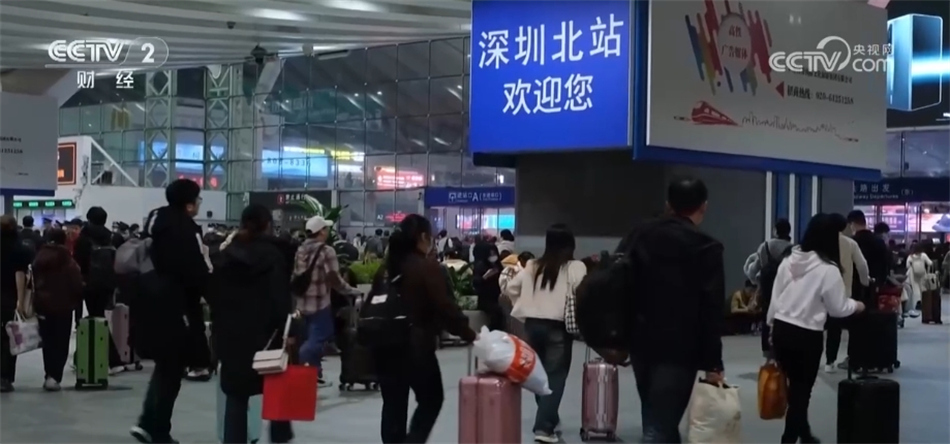
CCTV News:During the period of Spring Festival travel rush, the passenger flow of Shenzhen Railway maintained a high level and rose steadily, and the peak of passenger flow before the holiday was coming. In order to meet the travel needs of passengers, since February 3, Shenzhen Railway Department has successively opened several high-speed trains at night.
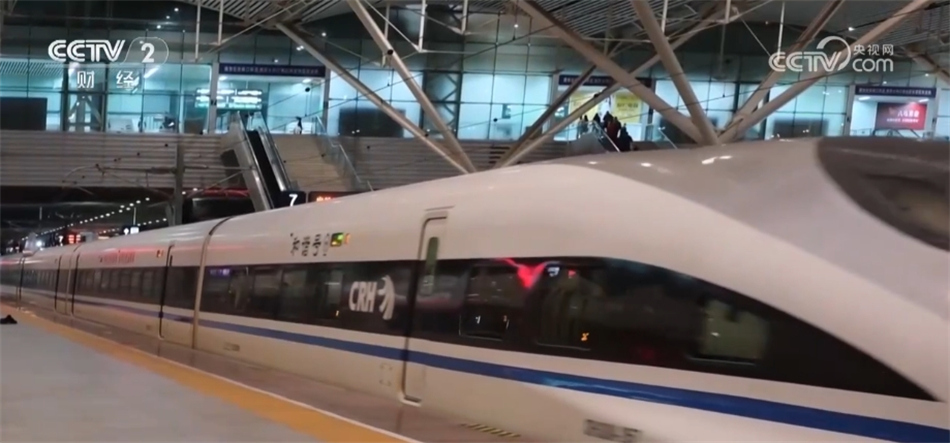
At 00: 10am on February 3rd, the first night high-speed train G4598 from Spring Festival travel rush in Shenzhen in 2024 departed from Shenzhen North Station and ended at Wuzhou South Station. More than 1,000 passengers took this high-speed train to go home.

In Spring Festival travel rush in 2024, according to the pre-sale of tickets and the standby ticket purchase of 12306, the Shenzhen Railway Department increased the capacity in popular directions. On February 3-4 and 6-9, 48 night high-speed trains were added from Shenzhen North Station to Chengdu, Guiyang, Nanchang, Changsha South, Wuhan, Zhengzhou East, Zhanjiang and Chaoshan, and 6 night general-speed passenger trains were added from Shenzhen East Station and Shenzhen Station to Changsha and Yueyang.

During the night high-speed rail operation, Shenzhen Railway also contacted the local transportation department to connect with the surrounding public transportation service hours such as buses and subways, so as to realize the "zero-distance connection" for passengers to travel at night and ensure the "last mile" for passengers to travel.
Pre-holiday peak arrival "charging battery life" home road
In Spring Festival travel rush this year, there are many passengers traveling by car, which is the main artery of north-south traffic in China — — In the service area of Beijing-Hong Kong-Macao Expressway, the number of new energy vehicles charged these days is 10 times more than usual. Is the charging pile enough? What is the charging efficiency? The reporter came to the scene to find out.
CCTV reporter Chen Xi:I am now at the entrance of Baoding service area of Beijing-Hong Kong-Macao Expressway, about 150 kilometers south of Beijing. As you can see, these vehicles leave Beijing and arrive here in about 2 hours. They will refuel, eat and rest in the service area.

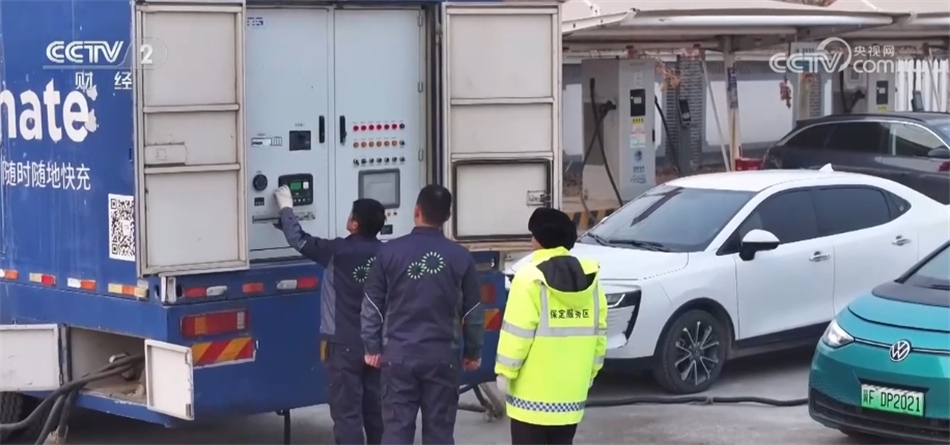
Facing the structural changes of self-driving travel, before Spring Festival travel rush this year, 12 high-power charging piles were built in Baoding service area ahead of schedule, and now 20 new energy vehicles can be charged at the same time. Near noon, more and more cars entered the service area. The reporter noticed that all charging piles in the service area were running at full load.
New energy owner Feng Wei:Hello, big brother, there are so many cars. When can I charge this car?
Hebei Baoding service area staff:Don’t worry, we have already dispatched, and the mobile charging car will come soon.

Huo Guoqing, Marketing Manager of a New Energy Technology Company:Four cars can be guaranteed at a time, and more than 100 trains a day (one charging car can charge), and the fixed piles here can basically meet the use of Baoding service area.
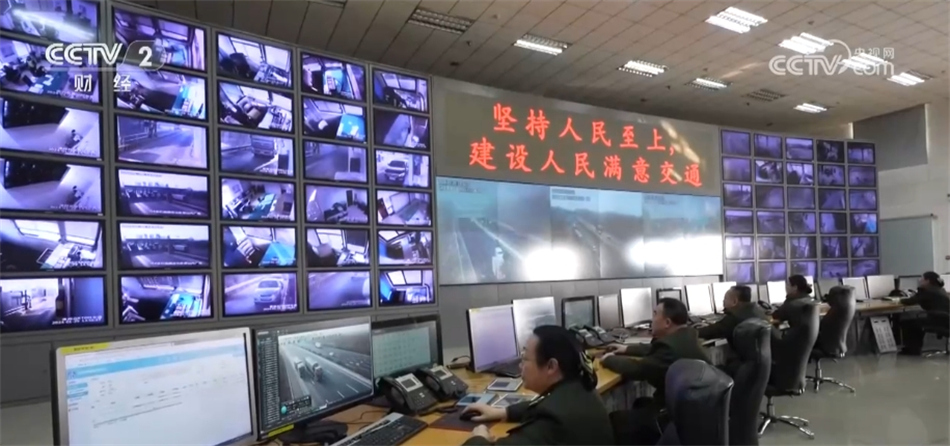
The reason why the mobile charging car can be dispatched in time is because there is a "smart brain" behind it. There are seven service areas along the Beijing-Hong Kong-Macao Expressway. The "small dispatch" can dispatch the charging piles in each service area, while the smart dispatch center 100 kilometers away connects the seven scattered service areas into a "line" through the "big dispatch" to co-ordinate all 84 charging piles and 3 mobile charging vehicles on the whole expressway.

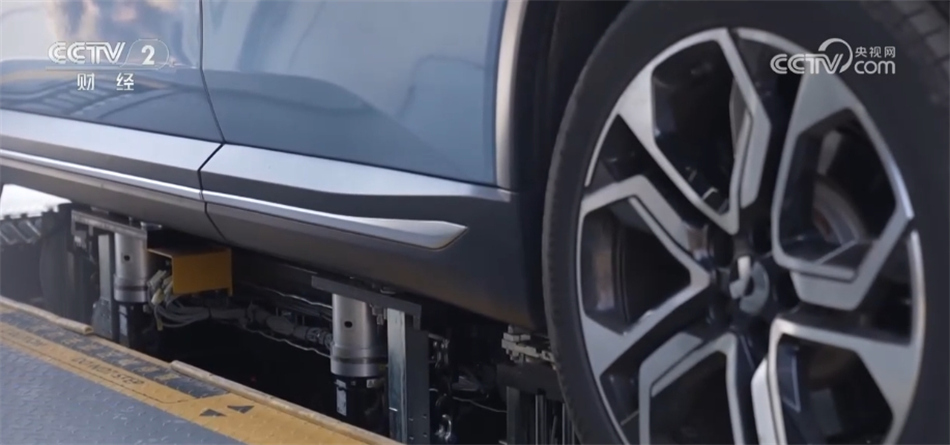
During the period of Spring Festival travel rush, the number of new energy vehicles traveling on expressways in Hebei Province is expected to reach about 3.5 million, and the charging pressure is huge. In addition to the "on-demand charging" charging method of charging piles, Hebei Province has also added 50 power stations, with a total of 65. The reporter saw at the scene that it only takes 3 minutes for the new energy vehicle to change the battery, and the replaced battery is left in the power station for charging, and the owner behind can recycle it.

New energy owner Zhou Yadong:There are still about nine hours to go to Xi ‘an, about once every 200 kilometers (battery) and four times (battery to Xi ‘an). It is more convenient to change electricity all the way through our route.

In order to cope with the large passenger flow in Spring Festival travel rush this year, the Hebei Provincial Department of Transportation built 293 highway charging piles in 2023, with a total of 962; 50 new power stations have been added, which is more than three times higher than before, fully ensuring the "rechargeable battery life" on Spring Festival travel rush Road.
Since Kunqu Opera was selected into UNESCO’s "Representative Works of Oral and Intangible Heritage of Humanity" in 2001, the government-led protection of intangible heritage in China has gone through 17 years. Although China’s intangible cultural heritage protection has not been carried out for a long time from an international perspective, with the great attention of the CPC Central Committee and the State Council, and the joint efforts of cultural administrative departments at all levels and all walks of life, China’s intangible cultural heritage protection has made rapid progress and achieved fruitful results, which not only created a vivid situation for the inheritance and development of intangible cultural heritage in the contemporary era, but also provided many methods and measures for the international community with China experience.
Establish rules and regulations, and build an intangible cultural heritage protection system.
In order to comprehensively understand and master the species, quantity, distribution, survival and inheritance of intangible resources in various regions and ethnic groups, from 2005 to 2009, China launched the first nationwide survey of intangible resources, and the total number of intangible resources was nearly 870,000. On this basis, China has established a national, provincial, municipal and county-level intangible cultural heritage list system. Up to now, the State Council has approved and published 4 batches of 1,372 national representative projects, and 15,550 provincial and municipal representative projects have been approved and published by various provinces, autonomous regions and municipalities. The former Ministry of Culture identified 4 batches of 1,986 national representative inheritors, and 14,928 provincial and municipal representative inheritors were identified by all provinces, autonomous regions and municipalities. China has been selected into UNESCO’s list of intangible cultural heritage projects, reaching 39, ranking first in the world.
In 2011, China promulgated and implemented the Intangible Cultural Heritage Law of People’s Republic of China (PRC). The promulgation of this law is a milestone, which provides a solid legal guarantee for the protection of intangible cultural heritage in China. The former Ministry of Culture has successively issued regulations on the protection and management of non-legacy representative projects, the identification and management of representative inheritors, the management of special funds, and the construction and management of cultural and ecological protection zones. By the end of 2017, 26 provinces, autonomous regions and municipalities across the country had promulgated regulations on the protection of intangible assets.
With the deepening of understanding, China proposes to protect the intangible cultural heritage and the environment where it breeds and develops. Since the establishment of Minnan Cultural and Ecological Protection Experimental Zone in 2007, China has successively set up 21 national cultural and ecological protection experimental zones in areas with concentrated non-legacy projects, distinctive features and complete contents and forms, and strived to promote each experimental zone to become a cultural and ecological zone with rich heritage, strong atmosphere, distinctive features and benefits for the people.
Carry forward and improve the practical ability of inheritance.
On the basis of continuous improvement of the intangible cultural heritage protection system, in recent years, the former Ministry of Culture put forward three important concepts: "protection in improvement", "intangible cultural heritage entering modern life" and "seeing people, seeing things and seeing life". A series of work focusing on the protection of inheritance practice, inheritance ability and inheritance environment has been carried out, which has brought intangible cultural heritage back to life and revived its vitality in contemporary production and life.
The work of intangible cultural heritage records is a basic work of intangible cultural heritage protection. Since the 18th National Congress of the Communist Party of China, the former Ministry of Culture has carried out non-legacy rescue records on the basis of previous investigation records, and gradually summed up experience and expanded and established the non-legacy record project. By the end of 2017, the central government had supported the rescue recording of 839 national representative inheritors, and the unique skills and cultural memories carried by a group of representative inheritors were recorded and preserved.
Traditional arts, traditional skills and traditional medicine and drug processing are intangible items, which are originally produced in production practice, and their cultural connotation and technical value are reflected by the production process, and the general public share their charm by owning and consuming materialized products or works of traditional skills. In view of this type of intangible cultural heritage projects, China puts forward the concept of "productive protection" to encourage and support the inheritors to actively resume production and truly realize live transmission.
In order to further promote the inheritance and revitalization of traditional crafts and expand the contingent of non-genetic inheritors, in 2015, the former Ministry of Culture and the Ministry of Education launched the training program for non-genetic inheritors in China. By the end of 2017, a total of 48,000 people had established self-confidence, been inspired and enhanced their abilities through research and training; The excellent works and rich products created and produced by the students fully show the great energy that can be generated after the creativity and imagination of the vast number of people are released.
In order to explore effective measures to revitalize traditional crafts, since March 2016, the former Ministry of Culture has supported relevant enterprises, universities and institutions to set up 10 traditional craft workstations in traditional craft gathering places, involving embroidery, wood carving, lacquer art, metal forging, traditional residential building skills and other categories. Up to now, Hami Station in Xinjiang, Xiangxi Station in Hunan, Leishan Station in Guizhou, Guoluo Station in Qinghai and Huangshan Station in Anhui have developed more than 1,000 kinds of practical products that have entered modern life, effectively promoting the creative transformation and innovative development of traditional crafts.
Accurate poverty alleviation, from "fingertip skill" to "fingertip economy"
Through productive protection, on the one hand, traditional crafts are carried forward, on the other hand, the income of the masses is increased and the poor people are helped out of poverty. Some inheritors said that "fingertip skill" has really been transformed into "fingertip economy".
In 2017, the former Ministry of Culture focused on supporting non-hereditary people in ethnic areas, remote areas and poverty-stricken areas to participate in the research and training program. Through training, the trainees not only improved their ability to inherit and practice, but also played a leading role in radiation. Take Qiandongnan Miao and Dong Autonomous Prefecture of Guizhou Province as an example. According to incomplete statistics, in the first half of 2017, only 225 students in this state participated in the research and training program, with the mode of "inheritor+cooperative/company+farmer", achieving an annual sales income of more than 750 million yuan. Excellent students returned to the local area to train new students and drive about 9,500 people to obtain employment, of which the poor accounted for 58% of the total employment, and each enterprise drove 47% on average.
Traditional process workstations have also played an important role in promoting precision poverty alleviation. In Hami, Xinjiang, 231 cooperatives and embroidery associations have been established, and more than 17,000 orders have been received. Nearly 1,000 embroidered mothers directly participated in the production of orders, with an average monthly income of 1,500 yuan per person. Hunan Xiangxi Workstation launched the "Let Mom Go Home" program to attract migrant women to return to their families by increasing the income of embroidered mothers. The workstation also negotiated 2,800 sets (pieces) of Miao embroidery orders with companies in Jinan, Shenzhen and other places, amounting to 500,000 yuan, which led to more than 160 rural women’s employment at home.
Spread communication and let excellent traditional culture shine on the world stage.
This year’s government work report proposes to carry forward Chinese excellent traditional culture and deepen cultural exchanges between China and foreign countries. As an important part of Chinese excellent traditional culture and a "living" heritage, intangible cultural heritage plays an important role in strengthening national cohesion and centripetal force and promoting exchanges and mutual learning between Chinese and foreign civilizations.
According to statistics, in the past five years, 320,000 exhibitions of intangible cultural heritage have been held nationwide, with 540 million people participating. A variety of intangible cultural heritage publicity and exhibition activities have comprehensively demonstrated the outstanding practical achievements of intangible cultural heritage protection in recent years, creating an atmosphere for the whole society to inherit and develop excellent traditional culture. The former Ministry of Culture made great efforts to promote the protection, inheritance and revitalization of intangible cultural heritage projects, and supported various localities to carry out a series of performance activities through activity guidance, repertoire mobilization, financial subsidies, dissemination and promotion, which improved the exhibition degree of intangible cultural heritage projects, increased the frequency of practice, and maintained and expanded the survival and development space of intangible cultural heritage projects.
In recent years, international exchanges and cooperation in the field of intangible cultural heritage have been deepening. China actively participates in the meetings of the Intergovernmental Committee for the Protection of Intangible Heritage and the formulation of relevant international rules, and draws on the theoretical methods and successful practices of other countries to provide China’s plan and China’s experience for the protection of intangible heritage in the world. UNESCO has established the Asia-Pacific World Heritage Training and Research Center and the International Training Center for Intangible Cultural Heritage in China. Through international training and exchange activities, these institutions have made important contributions to promoting the capacity building of relevant countries in the Asia-Pacific region for the protection of intangible cultural heritage.
China and Mongolia jointly declared Mongolian long-tune folk songs as masterpieces of human intangible cultural heritage, and cooperated in field investigation and protection of Mongolian long-tune folk songs; Carry out relevant exchange activities with Thailand, Japan and Britain on traditional crafts and intangible cultural heritage protection, laying a solid foundation for strengthening cooperation with foreign institutions in the field of intangible cultural heritage. In China, 35 overseas China cultural centers and 512 Confucius Institutes have been built, and intangible trainings such as Tai Chi and calligraphy have been well received, and traditional festivals and folk activities in China have been widely spread. (Reporter Wang Xuesi)
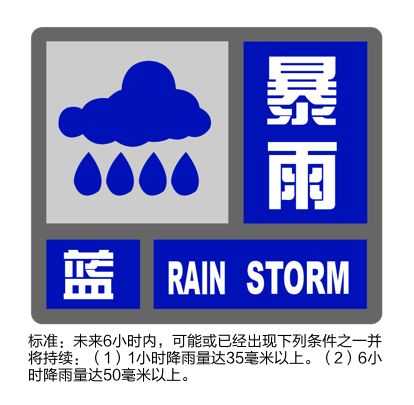
CCTV News:According to the WeChat official account news released by Shanghai, the Shanghai Central Meteorological Observatory issued a blue rainstorm warning signal at 12: 30 on August 23rd, 2023: Due to the influence of strong precipitation clouds, it is predicted that there will be precipitation in parts of central and southern Shanghai with a cumulative rainfall of more than 50 mm in six hours before midnight today. Please pay attention to the prevention of urban waterlogging caused by heavy rainfall, and do a good job in drainage and waterlogging prevention in low-lying and flood-prone areas.
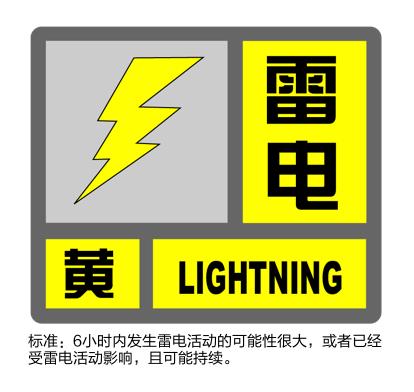
The yellow warning of lightning issued before is still high.

Defense guide:
1. Stop carrying out outdoor activities in open places.
2. Stop swimming in rivers, lakes and seas.
3. Stay away from trees, corners or places with prominent metal objects; Don’t hold objects with sharp metal corners in your hands or carry them on your shoulders.

Defense guide:
1. Citizens should prepare rain gear to ensure safety.
2, drivers pay attention to the road water.
Level Ⅳ response of flood prevention platform
According to the introduction of the Municipal Flood Control Office, the level IV (level IV) response of the city’s flood control stations started simultaneously.

Level 4 (IV) emergency response (blue)