Three "magical" coincidences in history make people doubt that the world is a reincarnation.

In the ancient East, there seems to be a mysterious veil hidden in the long river of history, revealing some amazing strange coincidences from time to time. These coincidences seem to be legends woven by history itself, leaving future generations with deep thoughts, and these stories hover in my heart, making me feel the mystery of the world’s reincarnation between ink and paper.
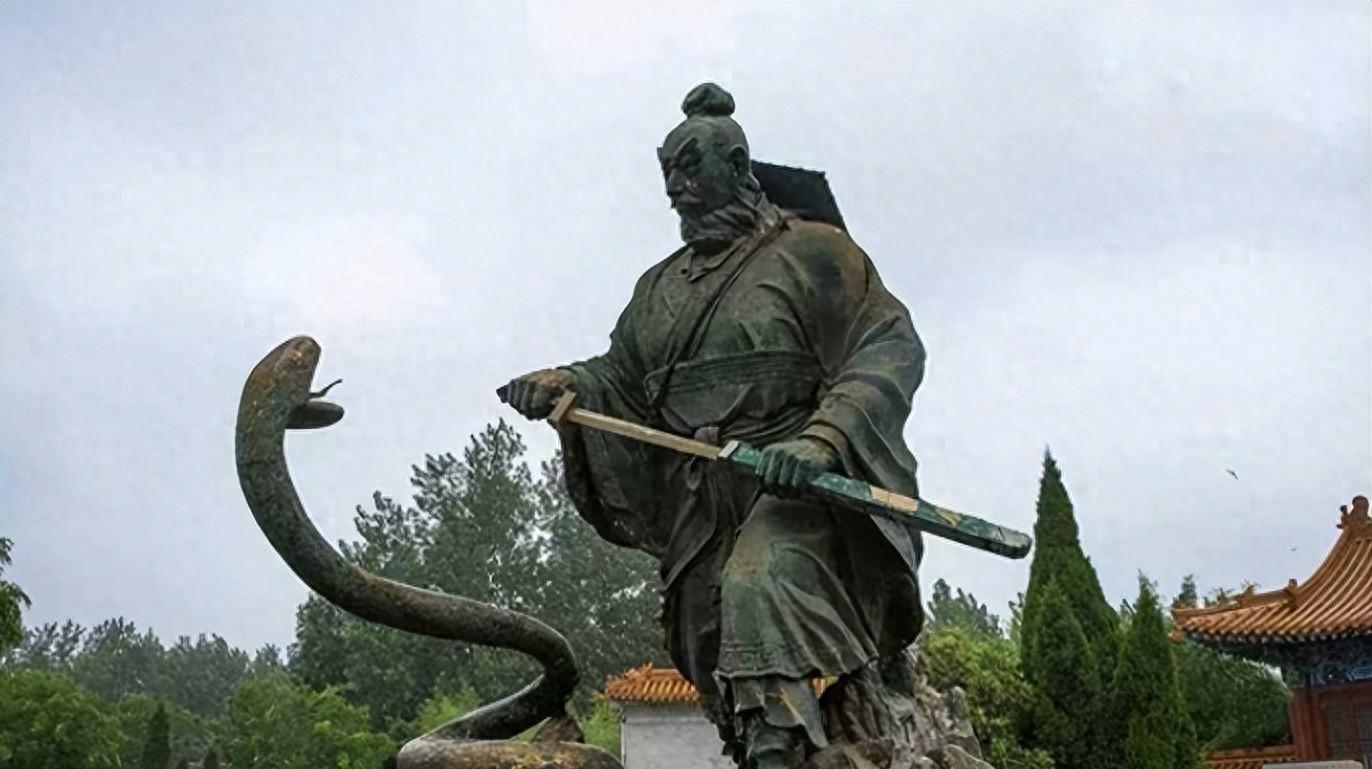
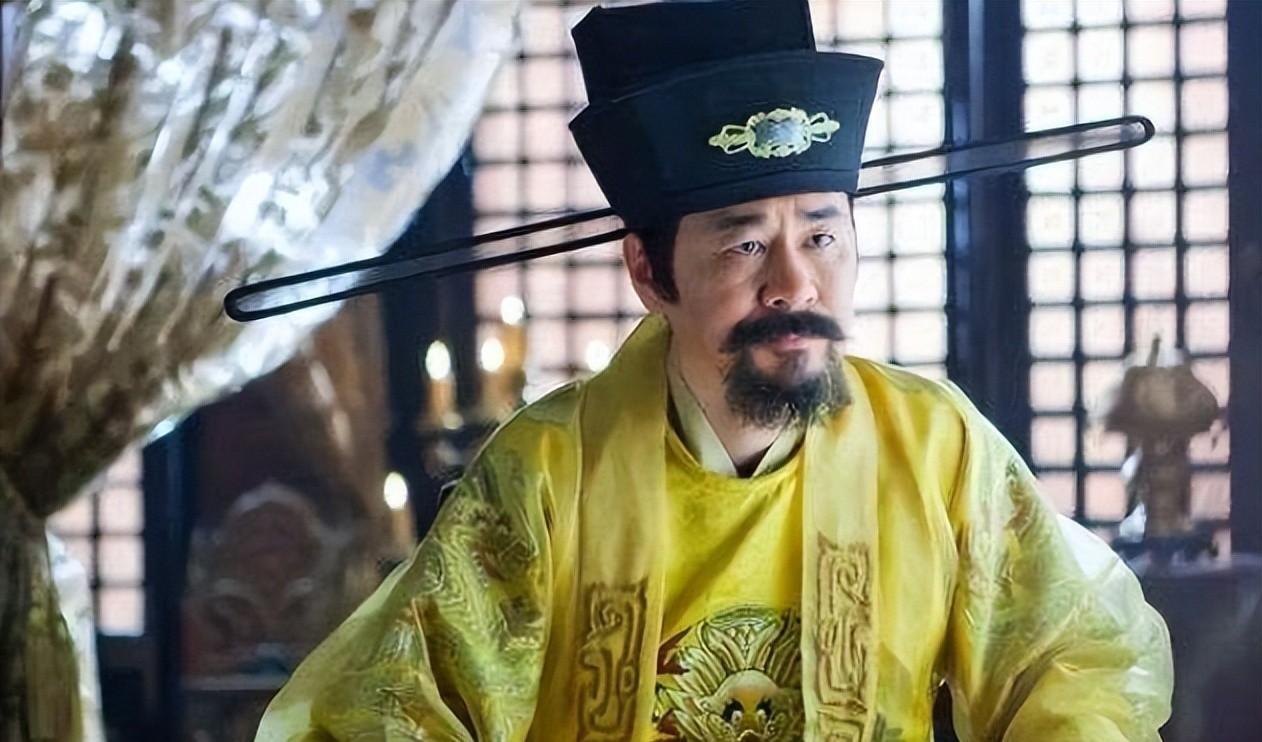
Let’s focus on the experience of Emperor Gaozu Liu Bang. His life is full of legends, and his leap from Buyi to Tianzi has attracted worldwide attention. But also, an episode that happened in his escape career is even more incredible. According to the report, when Liu Bang passed through a mountain forest, he encountered an unusually white boa constrictor crossing the road, and he cut it in two with his sword without fear. This python can’t help being given symbolic meaning by later generations-it was the test and hint given to Liu Bang by the god of fate, and he declared to the world the possibility of his future success with courage and determination.
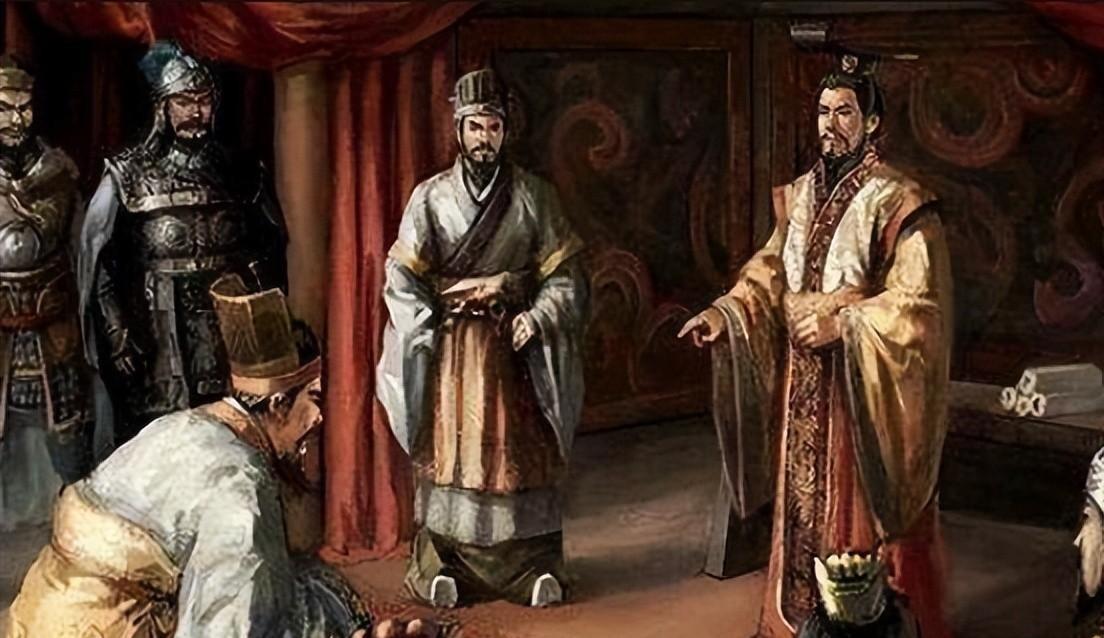
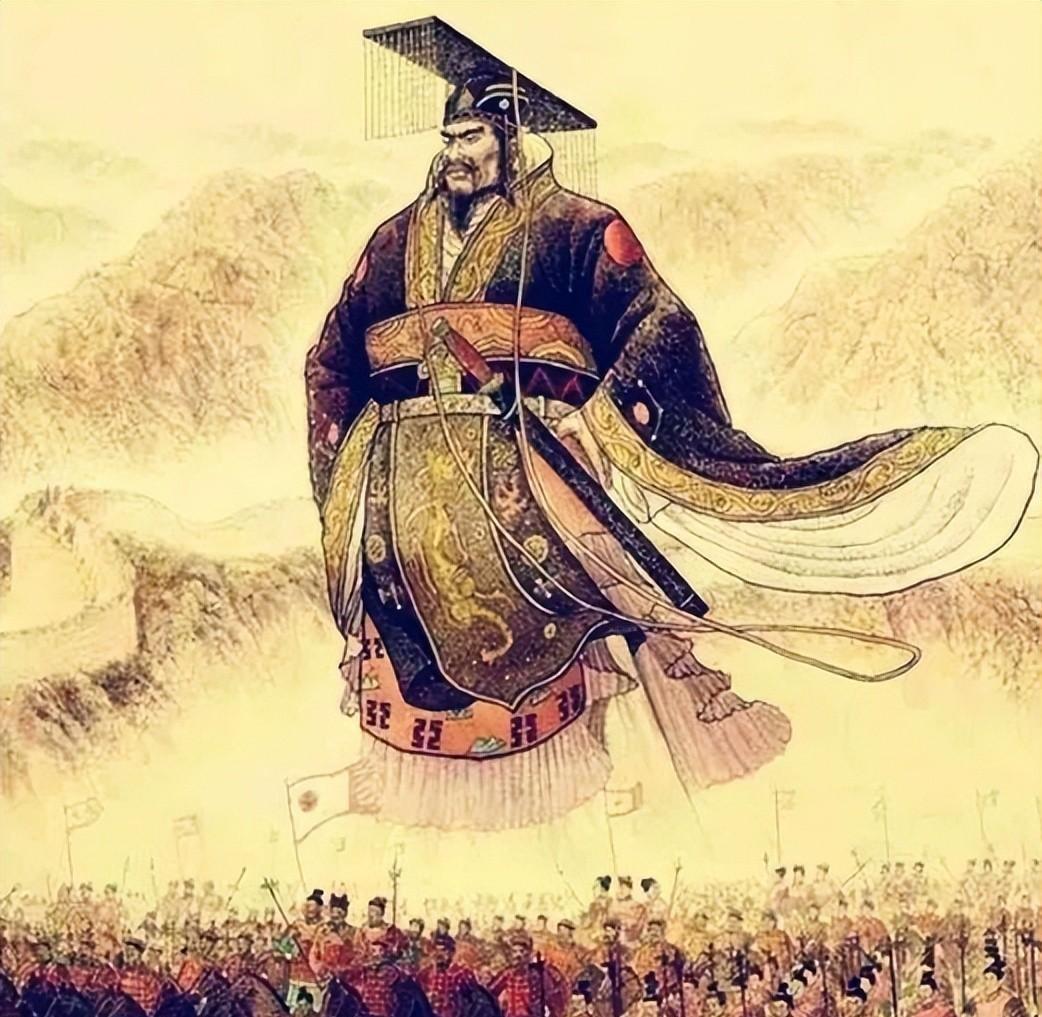
Then, we might as well compare the fate trajectories of Qin Shihuang and Emperor Wen of Sui in Sui Dynasty. Qin Shihuang helped the world, burned books to bury Confucianism, repaired the Great Wall, built Epang Palace and built water conservancy, which was a great achievement. However, the grievances created by his harsh and cool laws are like undercurrents. After his death, the Qin Dynasty declined rapidly and eventually collapsed after only a few short years. Hundreds of years later, Emperor Wen of Sui in the Sui Dynasty also created a prosperous era of reunification. However, after the second emperor Yang Guang ascended the throne, his extravagance and tyranny made Jiangshan once again step into the path of subversion. Two dynasties, after the death of the founder, ushered in a similar fate.
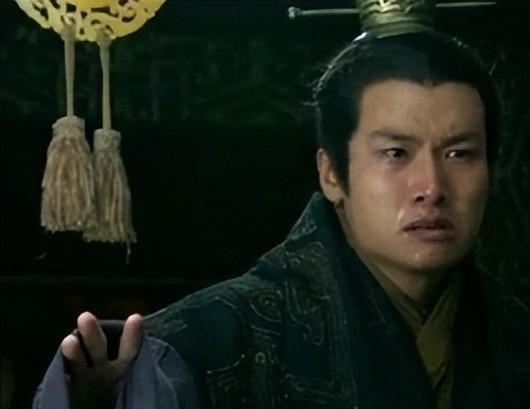
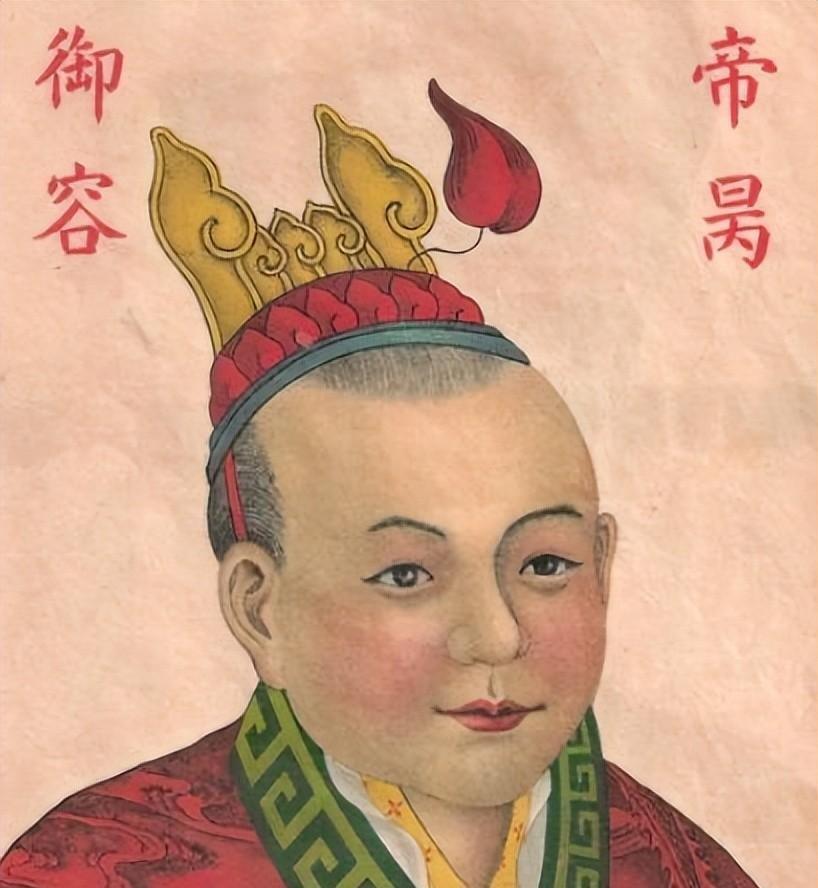
Finally, we turn to the story of Zhao Kuangyin in the Song Dynasty and the last son of heaven in the Southern Song Dynasty. Zhao Kuangyin, a general of the Zhou Dynasty, rose to fame in helping the imperial court to quell civil strife and expand its territory, and usurped the seven-year-old throne left by Zhou Shizong from humble origins through the Chen Qiao mutiny. A similar plot was staged again in the last years of the Southern Song Dynasty. When the Southern Song Dynasty was besieged by the Yuan Army and was on the verge of extinction, the young emperor Meng Gong chose to jump into the sea heroically to show his loyalty and loyalty. The two young emperors suffered different but similar fate twists and turns.
When we put these three sections of history together, it seems that we can perceive that the breath of reincarnation is slowly permeating the river of time. Every turn and coincidence is like a chess game arranged by God’s will, waiting for the chess pieces to perform.
But can we really assert that history is reincarnation? I’m afraid we still need to have reservations. Because history itself is made up of countless individual behaviors; It should be noted that although the waves are small, they can gather into an ocean, and people are small, but they can also affect the historical process. These seemingly "magical" coincidences are just a few fragments highlighted in countless events, which does not mean that all history follows a certain established pattern.
Perhaps we should learn wisdom from these stories and study the law: the extraordinary ambition of heroes often indicates extraordinary achievements; Authoritarianism leads to the boiling of national resentment and eventually to its demise; Power translocation is often accompanied by the fading of old forces and the birth of new forces.
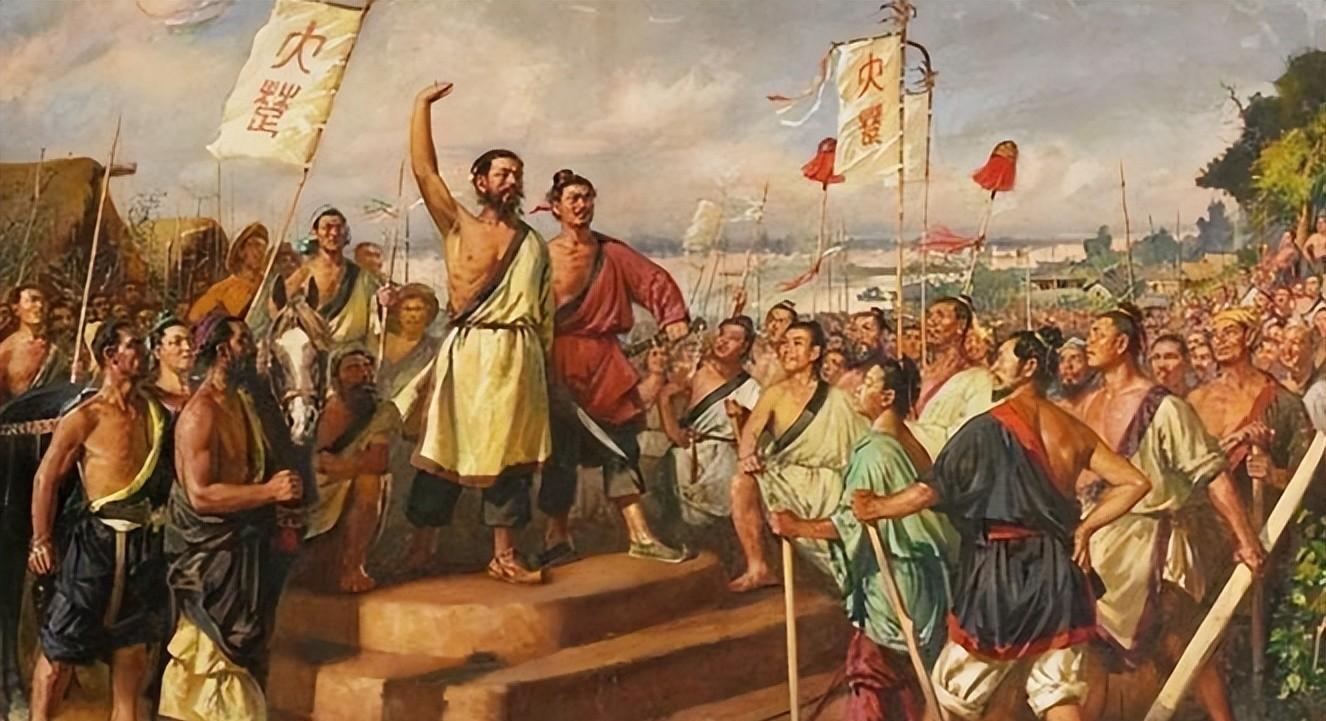
To sum up, although history always gives us countless possibilities and associative spaces, every era that needs to learn from the past and diligently explore the true meaning of the laws behind them has its particularity and independence. Anyone can try his best to exert his style and contribute his strength in his position and become a small and powerful wave that pushes history forward.
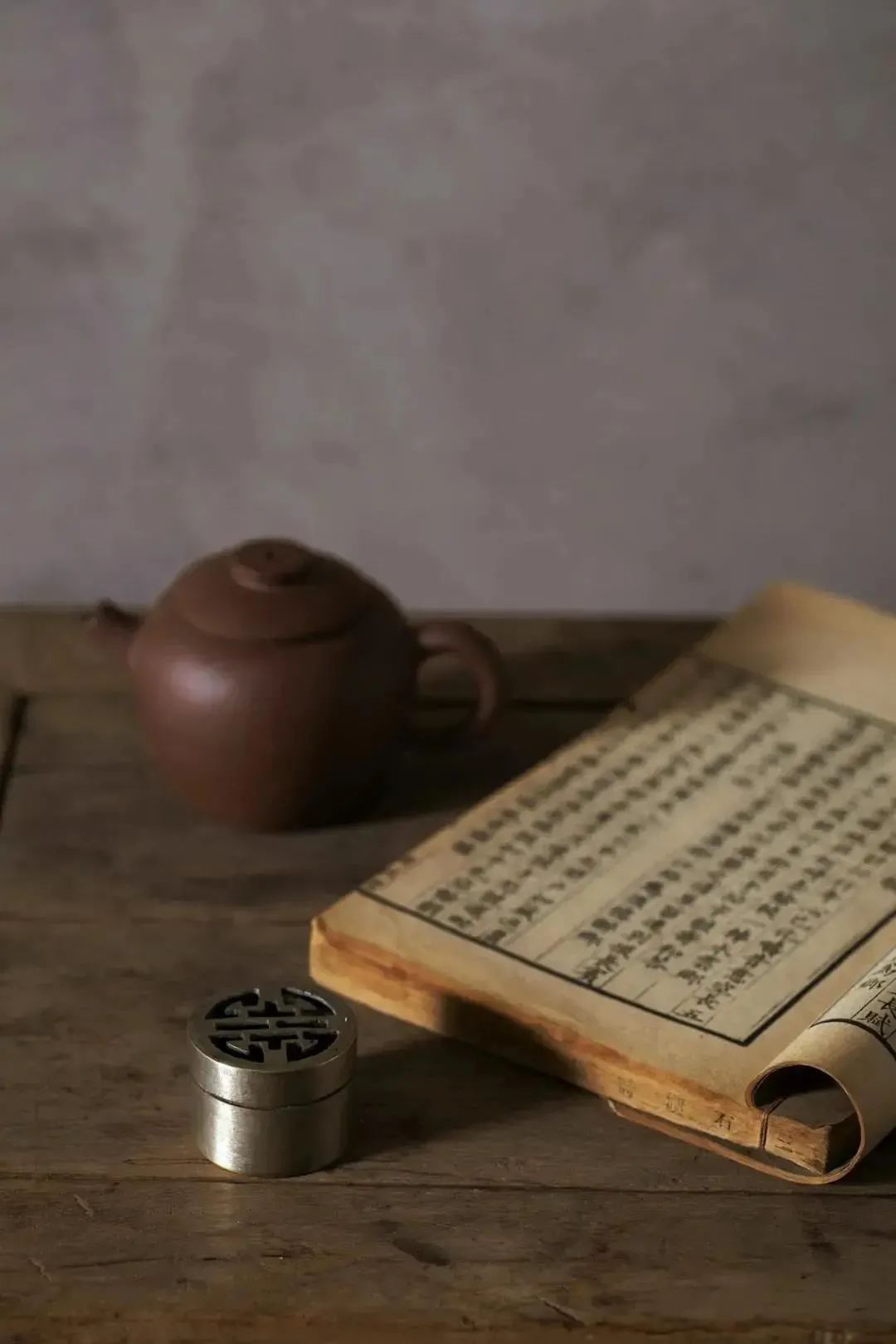
What is culture? Culture can nourish heart and ambition.

Culture is not knowledge, culture is the pursuit of beauty! Expressed in more concise words, it can be abbreviated as: culture is the sum of language and words.

"Culture" can be expressed in four sentences:

1. Self-cultivation rooted in the heart:

Self-cultivation can be divided into two main contents. First, knowledge literacy is reflected in a person’s IQ; The second is humanistic accomplishment, which is reflected in a person’s emotional intelligence. Therefore, self-cultivation is improved through learning and cultivation the day after tomorrow, so as to achieve the realm of internalization in the heart, externalization in behavior, and integration of knowledge and practice.

2, don’t need to remind others consciously:

Self-awareness means that you know something and take the initiative to do it. The difference between humans and animals is that there are two lives: one is the life of the body; The second is the life of culture. Take away the "culture" tendon, people are just ordinary animals, and people are conscious.

3. Freedom on the premise of constraint:

Freedom is self-determined, without restrictions and constraints. The freedom advocated is a kind of freedom that is harmless to others in society, and it is based on goodness and justice. We should realize that freedom not only means the desire to be liberated from bondage, but also means the responsibility to respect the value of others’ existence. Only within reasonable limits and by using reasonable means can we achieve real freedom.

4. Kindness for others:

The first paragraph of the classic of Chinese studies "San Zi Jing" says: "beginning of life, human nature is good. Sex is similar and learning is far away. " This means that when people are born, their nature is good and their temperament is very similar. But with the different changes and influences of their living environment, everyone’s habits will be different.

If you treat others well, others will treat you well. If you are full of kindness, you can warm the people around you. In daily life and work, it is necessary to be helpful and kind to others, unite with leaders and colleagues, actively create a relaxed and pleasant working atmosphere, and construct harmonious interpersonal relationships.

According to the traditional concept of human beings, culture is a social phenomenon, which is the product of long-term human creation, but also a historical phenomenon and the accumulation of human society and history. To be exact, culture is the way of thinking, values, lifestyle, behavior norms, art and culture, science and technology of a country or a nation that can be passed down and spread. It is a universally recognized ideology that can be passed down for human communication and a sublimation of perceptual knowledge and experience of the objective world.

Culture is the total system of symbols (mainly words, supplemented by images) and sounds (mainly language, supplemented by phonology and notes) created and commonly recognized and used by people in the process of constantly knowing and transforming themselves and nature.

Culture, the afterlife of this life, is the behavior of some people to carry out their life beliefs. When the noblest place in a person’s temperament blooms in all aspects of life, when a person’s aesthetic taste is enough to give life a kind of elegance and flavor-that is culture.

Culture is the best nourishment.

Everything in the world is supported.

The grass and trees are in the wild, and the rain and dew are born to help; Body and mind are in the study, and kissing ink can nourish them.

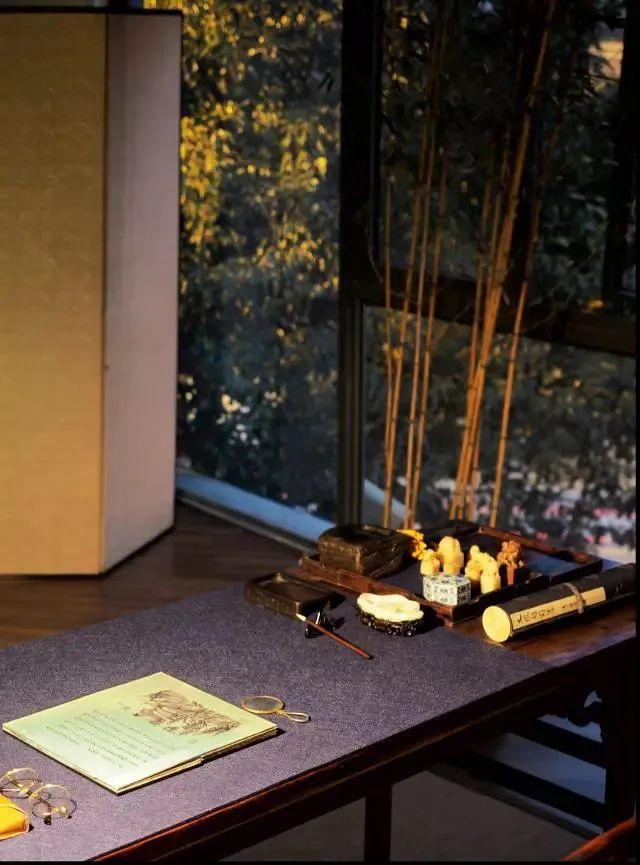
If the study is a person’s spiritual sanctuary, then the long thing in the study is the pearl in this sanctuary.

Ancestors said: when writing, you can raise pens, when grinding, you can raise ink, when washing, you can raise paper.

When the library is in the library, the supplies of the study room can be spent over the years; If you are always close to things, your body and mind will be spiritually influenced.

Culture is the best nourishment.

The nourishment of life comes from the pursuit of life interest, but also from the immersion of long things.

In the rooms of ancient literati in China, there must be pens, ink, paper and inkstone for the case, and piano, chess, books and paintings for the lent. Besides, there are all kinds of elegant things.

Nowadays, when we see these old things in the study from a distance, we can hear the excited voices of the ancients and see their sincere faces as long as we understand them with our hearts.

They camped in the study, or played in Tibet, or lived in seclusion … and nourished by culture, which built a bright world for us.

Playing with Wen Zang can nourish the heart.

Culture is formed over time, and the way to hide and play can nourish the heart.

Elegance and vulgarity are often the first criterion in the way literati look at artifacts.

Whenever you see a thing, you should judge its advantages and disadvantages, define the realm of elegance with the mind of a gentleman, and create a true rhyme and taste that conforms to the literati’s aesthetics.

There are many beautiful things in the room, and the world is better than Taoyuan.

In the name of the post, the truth is orderly, and Mo Chi is fragrant; Appreciate the boxing stone, clear the supply, exquisite smoke and clouds, and the muscles and bones are towering;

Product green grass and bamboo, elegant room, case into a secluded field; Virtual Lu Qing Kuang, sitting in the dust to release concerns, elegant things Ming Zhen Yun;

Open-minded, all wonderful; Xuan Lang in Zhang’s room is natural and unrestrained.

By writing things in style, you can nourish your spirit.

Gewu, when there is an aesthetic seed, nourishes itself from the traditional scale.

Ancestors said: the piano is silent, the staff is light, the cup is elegant, the bamboo is cold, and the stone is impressive …

In addition to leisure and entertainment, there is a poetic charm in the study, which makes people physically and mentally idle.

If you do what you want from your heart, you will be a man, and you will not be detained, but you will not go beyond the rules.

It is the highest state to understand the nature within a certain statute, conform to the rules and set an example for future generations.

From things and devices, from devices and people, we can make our conscience in things and nourish our true qi in edification.

Living in seclusion with literature can raise your ambition.

China’s philosophy is a philosophy of leisure, and living in leisure can raise one’s ambition.

As the poet Ni Si said:

Reading books on righteousness and reasoning, learning the words of calligraphy and calligraphy, sitting quietly, talking with friends, drinking half drunk, watering flowers and planting bamboo, listening to the piano and playing with cranes, burning incense and frying tea, and going to the city to watch the mountains mean playing chess. Apart from the above, although I have other pleasures, it is not easy for me.

Life is leisure, and long things are companions. Whether reading, posting, burning incense, playing the piano, playing chess or drinking tea, long things in the study are the carriers.

Getting a period of leisure and happiness constitutes a brilliant aesthetic philosophy, which affects the world’s pursuit of leisure and elegance.

Today, we are far away from the luxury of spirit, and today’s dignitaries and rich people do not have such a life, because cultural life is not only material wealth, but also spiritual nobility, which is a real affair.

In this sense, the pursuit of beauty with culture is to immerse beauty in life.

If life is a flower, then culture is soil. May you and I live in peace in our daily life and drop the seeds of beauty and bloom the most wonderful flower.

END

Chinese and foreign scholars say cultural relics: capturing the "bright spot" of China culture in artifacts.

China news agency, Shanghai, November 25 th: Chinese and foreign scholars say cultural relics: capturing the "bright spot" of China culture in artifacts

China News Service reporter Wang Wei Kang Yuzhan

The World Congress on China Studies and the Shanghai Forum were held at the Shanghai International Conference Center from 23rd to 24th. At a sub-forum held on 24th, Wang Chunfa, director of the National Museum of China, presented a precious cultural relic in the museum-bronze rhinoceros statue with gold, silver and moire patterns in the Western Han Dynasty, from which he realized the unique charm of Chinese civilization.

This statue is in the shape of a rhinoceros, with its head held high and its eyes inlaid with black beads, which is the image of Sumen rhinoceros who lived in China in ancient times; The whole object is decorated with staggered gold and silver moire as thin as hairspring, which is exquisite and gorgeous, and it can be called a fine bronze ware in the Han Dynasty. The bronze statue made of animals shows the concept of harmony between man and nature and the nature of Taoism in ancient China.

"This precious cultural relic not only vividly narrates the past, but also profoundly affects the present and the future, enlightening us to respect history, respect our predecessors, respect nature and protect the environment." Wang Chunfa said that human knowledge is accumulated through exploration from generation to generation, and it should be passed down from generation to generation. Chinese and foreign scholars are welcome to the National Museum of China to feel the moving place of the bronze rhinoceros statue with wrong gold, silver and moire.

What are the China cultural relics that foreign scholars are interested in? In the face of a reporter’s question from China News Service, Han Yili, a former associate professor in the Literature Department of Moscow Humanities University, made a list on the spot-Oracle Bone Inscriptions, bronzes, silk books of Mawangdui … Some of them were related to the topic of Zhouyi he studied, and the other part was out of his personal interest.

In Han Yili’s view, the importance of ancient cultural relics and historical documents lies in helping people truly understand the ancient world outlook and living conditions. Compared with some subjectively recorded words, real artifacts can reflect a period of history more intuitively. "Many cities in China have their own museums, so that everyone can learn history and experience culture from ancient artifacts. How to better protect cultural relics and inherit culture is where we should learn from China. "

Yi Xin, an international student from Shanghai University in Mexico, immediately thought of blue and white porcelain. "I found that China’s blue and white porcelain is very similar to some artifacts I saw in Mexico. Later, I read the literature to know that these artifacts really came from China. Exploring how these artifacts arrived in Mexico from China and looking for connections between different cultures made me feel very interesting. "

Yi Xin told reporters that China has a long history and China culture has many "bright spots", which let her know the real China from different angles. "We will not stop exploring China, because there are many things worth studying here." (End)

What is culture? # hanli planner

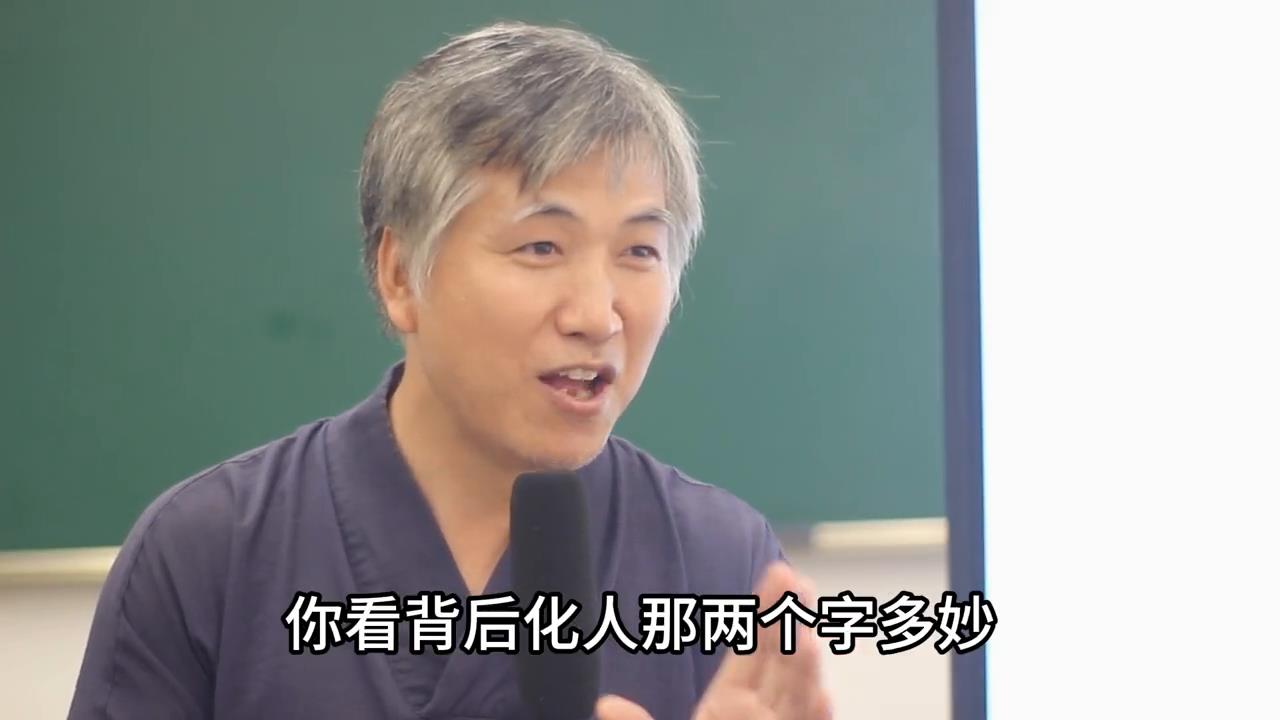
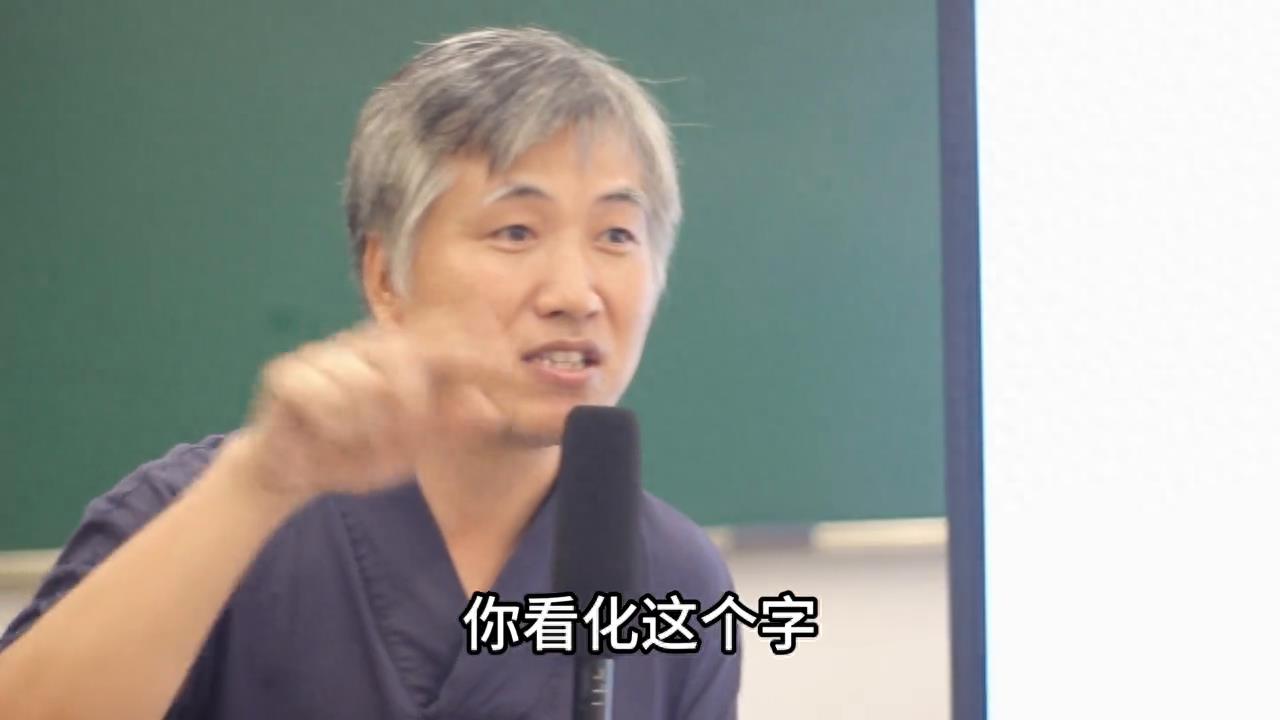
So what do you think is culture? Tang culture; Song dynasty culture. Cultural history (time and space); Minnan culture; Bashu culture; This is the area; Southwest culture; Fragrant culture; This is an object. Tell you, these things are not culture, in fact, I have an answer in the Book of Changes. What do you mean by educated people? What do you mean by educated people? How wonderful is the word "behind people"?

When the culture of the Tang Dynasty and the Song Dynasty is not humanized, it has nothing to do with the present. In terms of the existence and use of culture, it is no longer a culture only when it is not used. It is as simple as that. Therefore, we say that culture must be slowly accumulated and grown up in life. Is the melting of snow and ice a slow process? It’s so wonderful.

In fact, you don’t know what we understand until you think about it. There will be such guidance and opinions about what the country is, including why we should start such courses in colleges and universities slowly, that is, we want more young people and the power of the new generation to join in. What can build traditional culture together?

Like and pay attention, never get lost.