What leopards are the protagonists in the Leopard Laughing Animation "Look at the Seals"?
Author | Tonghui River Seal
Recently, there was a small fire in a funny animation called "Look at the Seals" (Sealook)。 I haven’t seen it less myself-it’s really quite fun, and I find it not only fun but also mysterious. So this time I want to talk to you about some hidden knowledge points here. If you haven’t seen it, you can watch it with the explanation of this video. If you have already read it, you should also add some cold knowledge ~
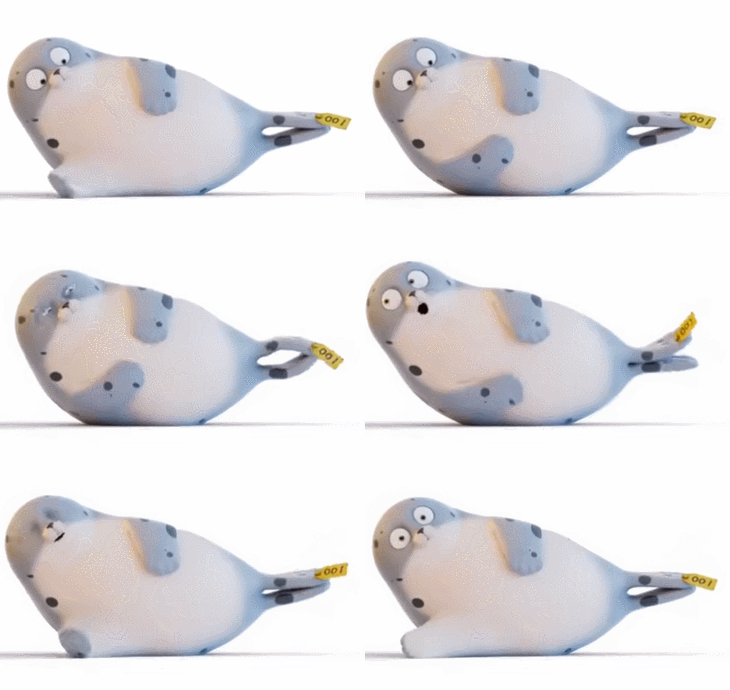
"Leopard Studies" in Seal Animation
The reason why I wrote this story is that I was surprised by the textual research of this animation-many settings and roles in the film combined with three-dimensional knowledge of marine zoology. In other words, the film is funny, but in a sense, it is quite hard-core.
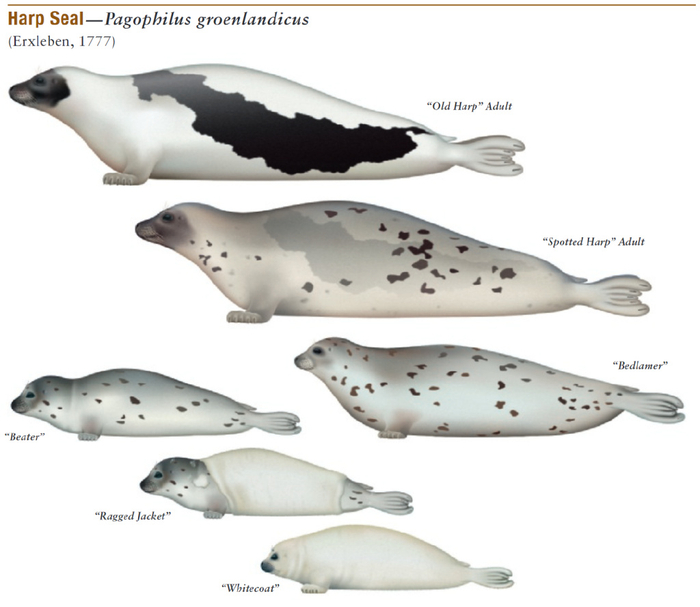
for exampleHarp seals usually have six appearance stages with age.The production team made at least four.
Another example is the strange-looking ring seal:

And the strange-sounding Weddell seal:
Weddell seal calls ©Jesse DeVoe-Youtube
Of course, this is not to say that it is completely made according to serious academic standards, but it also has some regrets. For example, most of the leopard calls in this film are the "old-fashioned seiyuu" of flippers-the voice of California sea lions (It is the "even-even" sound that you will hear once a seal or sea lion appears in a film and television work.)。
However, you are welcome to say that "Look at the Seals", as a funny work, has been able to kill a bunch of so-called "documentary commentary" or "popular science" marketing numbers in the aspect of marine zoology. What is the specific knowledge? Let’s start with the realistic prototypes of the characters in this play.
The role prototype of the dumplings
Yes, you heard me right. Most of the characters in this play have real seals as prototypes. Let’s talk about them one by one.
First of all, let’s talk about the role of passers-by, that is, the supporting leopards without number labels and stunts.The prototype of passerby template is the cub of crested seal, or the typical appearance of seal subfamily., with the color scheme of the crested seal cub, plus some colors of magic change.
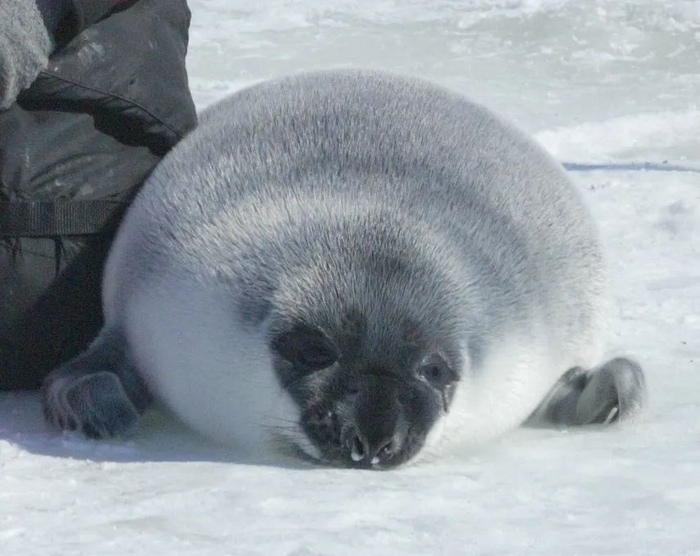
Seal subfamily is one of the two major classifications of seal family, and it is also called northern seal because its habitat is in the northern hemisphere. All seals that were "white dumplings" when they were young are in this category. In contrast, it is the monk seal subfamily, and the largest seals are all in this classification. In appearance, the seal subfamily is usually shorter and thicker than the monk seal subfamily. If you want to find a more extreme example of this, you can look at the comparison between Baikal seals and leopard seals.
Let’s talk about the seal subfamily first. The crested seal is a kind of seal that mainly lives in the ice floes in the Arctic Ocean and the North Atlantic Ocean, and sometimes appears in the waters near the east coast of Western Europe, Russia and the United States. Their cubs have just seen the picture.
One of the two most peculiar characteristics of the crested seal is that when an adult male seal shows off to the opposite sex or demonstrates to the same sex, it will inflate the bright red nasal mucosa into a balloon, like wearing a hat. The other is that they have the shortest lactation period, usually only 4~7 days. Because the lactation period is too short, it is necessary to get ready to go into the water when there is no time to change hair. The crested seal is born directly with short hair that is not easy to absorb water, unlike most kinds of leopard cubs, which have a villous period when they are born.
In addition, deep back and shallow belly is a typical protective color of marine animals, which can blend into the background as far as possible in both positive and negative directions, that is, the body color blends into brighter water and darker deep water respectively.
The numbered protagonists
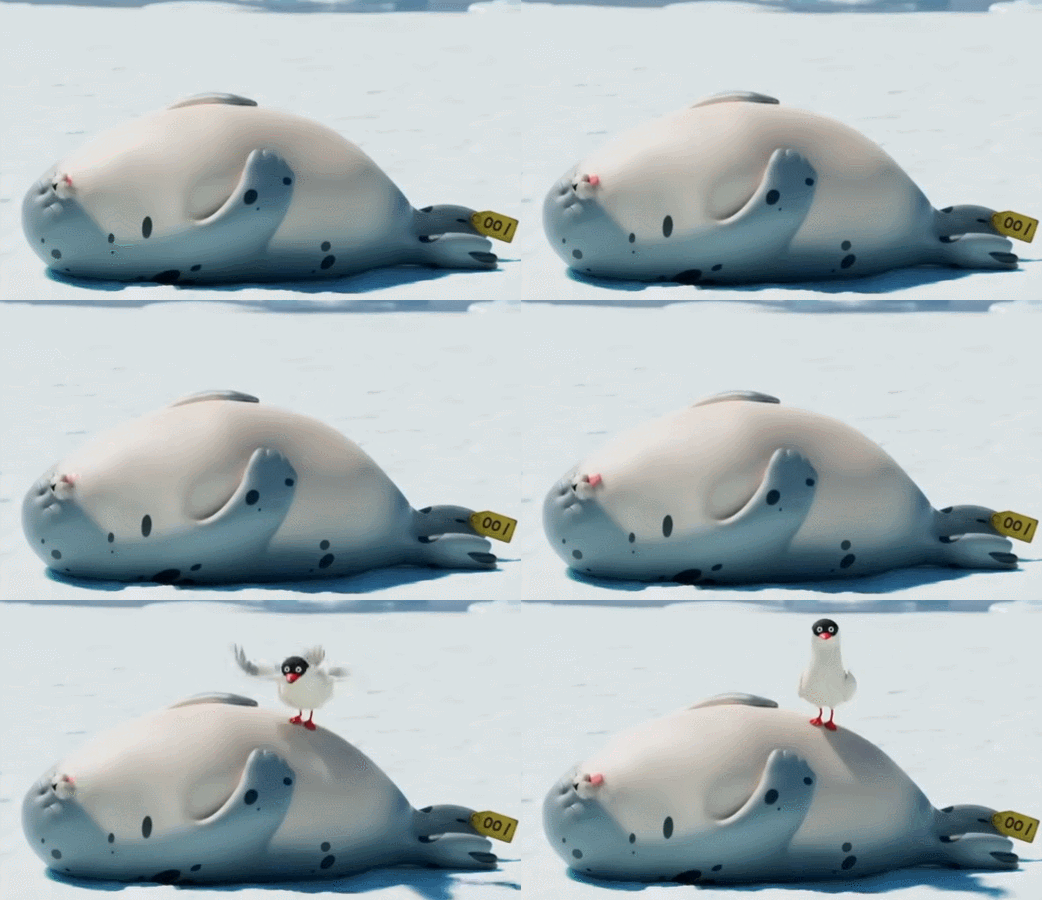
The prototype of 001 should be a state of harp seal in adolescence. It is customary to divide the appearance of harp seal into six stages according to age, from white coat to full-grown Old Harper. The corresponding stage of 001 is the so-called "bedlamer", which means that the characteristics of this stage are very chaotic, the size of the head has not yet reached the adult size, the color is mainly silver gray, and there are some brown and black spots scattered.
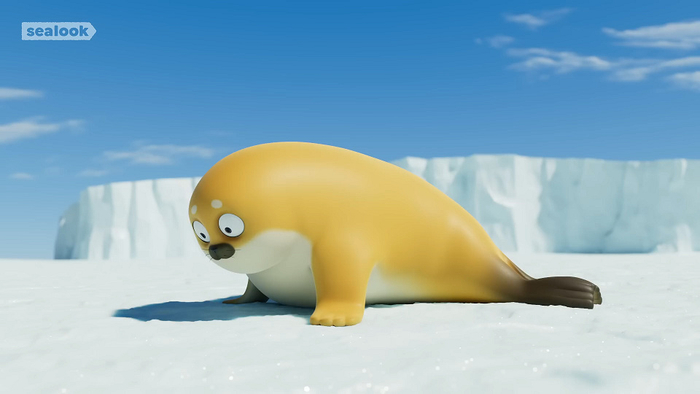
Many people see that one of the prototypes is Shiba Inu-yellow back, peas eyebrows, and can imitate doge expression packs.
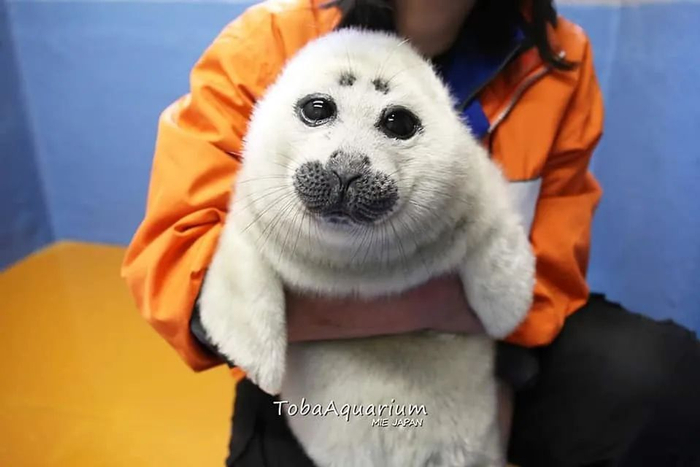
SealyDoudou eyebrow and beard form a detection array.So that they can sense the change of water flow and track their prey in low light or turbid environment. As for the other features of 002, it is basically the passerby template mentioned just now, that is, the typical image of seal subfamily plus the crested seal cub.
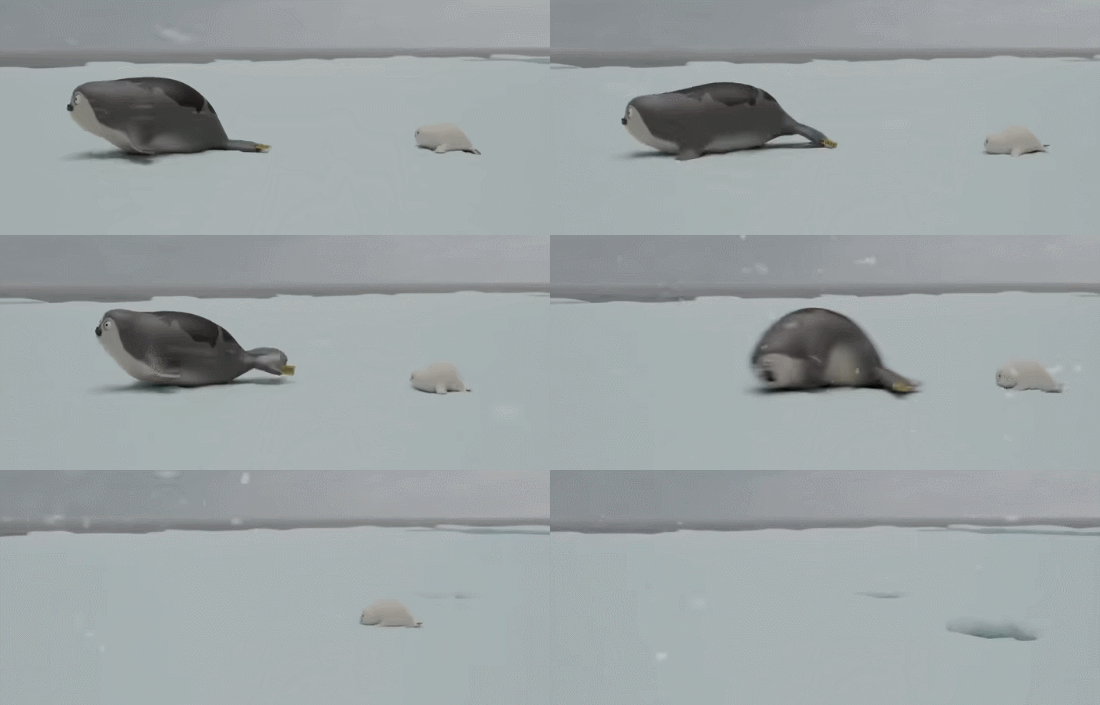
The prototype of 003 should be a fully grown harp seal, which is the so-called "old harp" stage. Although there is no "mask" pattern, the overall color matching, harp pattern and the fact that the child is 031 all indicate that this should be based on the harp seal.
In addition, in reality, the leopard dad is more "scum" than 003 in a sense-because they don’t care about the baby seals (sadness).
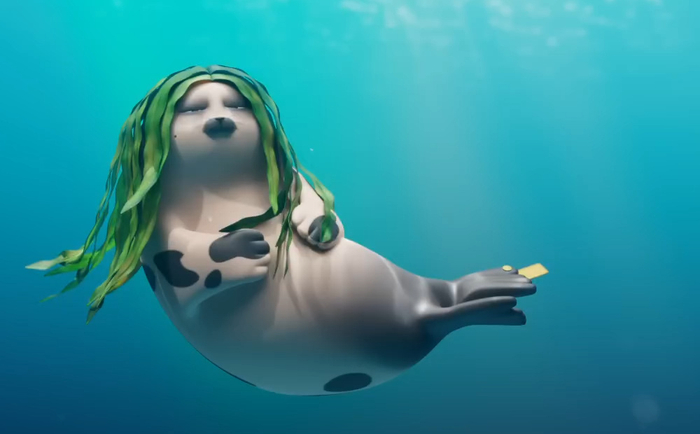
004, who can sing, jump and make wigs, has a strong desire for stage performance. The main prototype should be a passerby template, and at the same time, it may refer to the patterns of adult gray seals or crown seals and the color matching of cows.
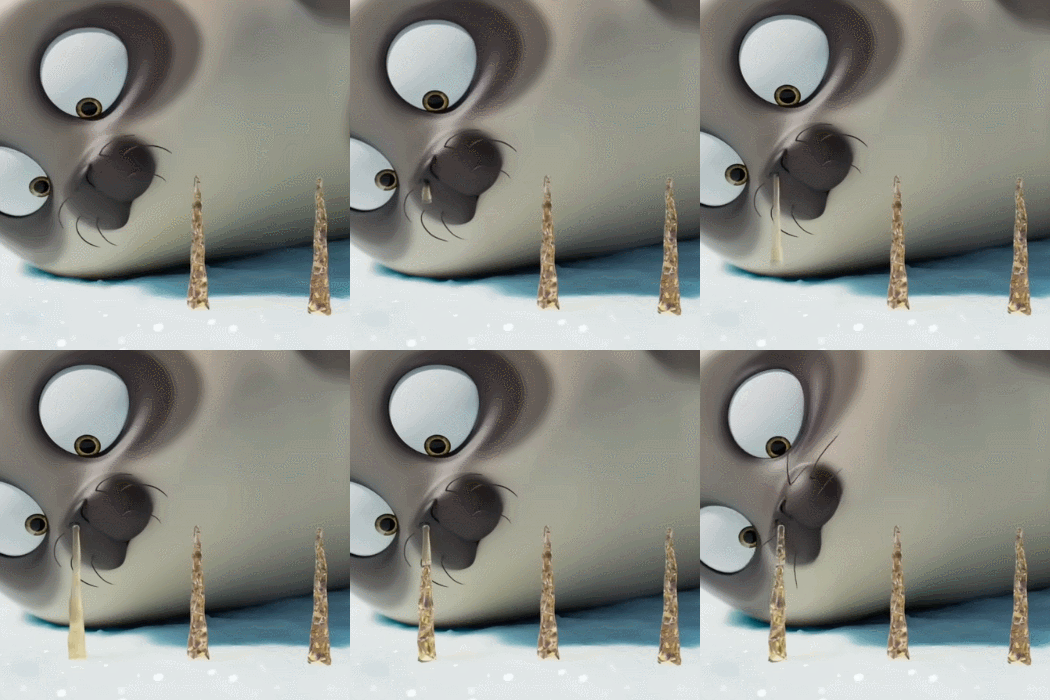
Many people think of Siamese cats when they see the "key color", but in fact, 005 also has a main reference object, that is, the harp seal of young adults, the so-called "spotted harp" stage. Harp seals at this stage are usually about to give birth or have already begun to give birth. Harp patterns begin to appear, and the spots become lighter but still visible. After a period of continuous development, the spots will completely fade and become the complete body "old harp" mentioned above.
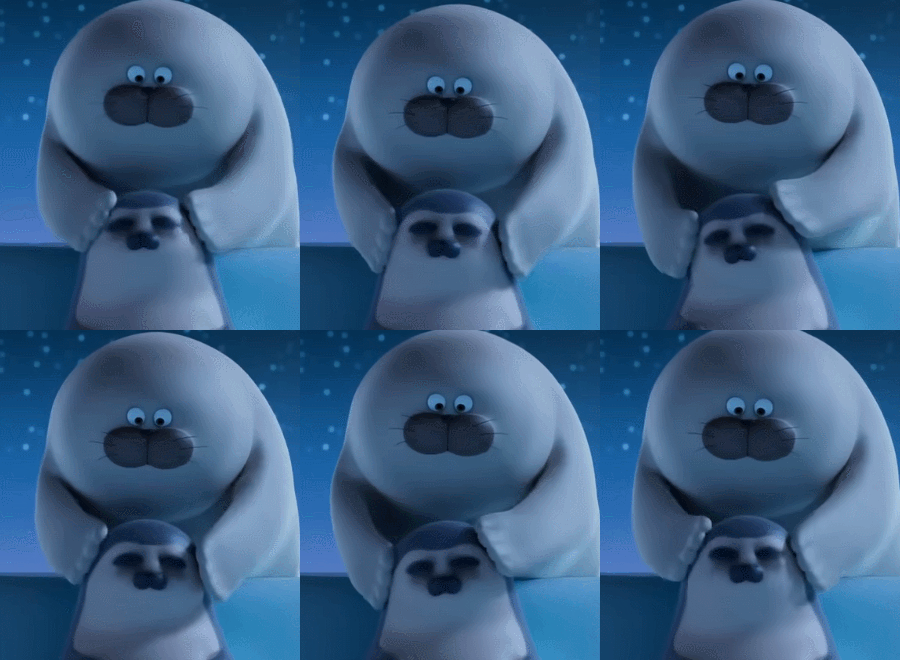
006, who first appeared in the third episode of the official channel, is very gentle and kind, and will also use ASMR (using some means of touch or sound to make people feel numb and comfortable) to help leopards sleep. Its concrete prototype is not obvious, its temperament is a bit like a bearded seal, and its body is like an enlarged harp seal cub.
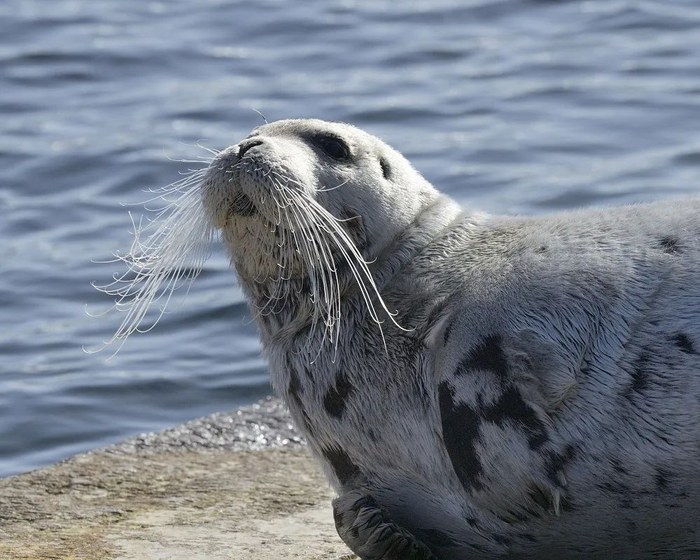
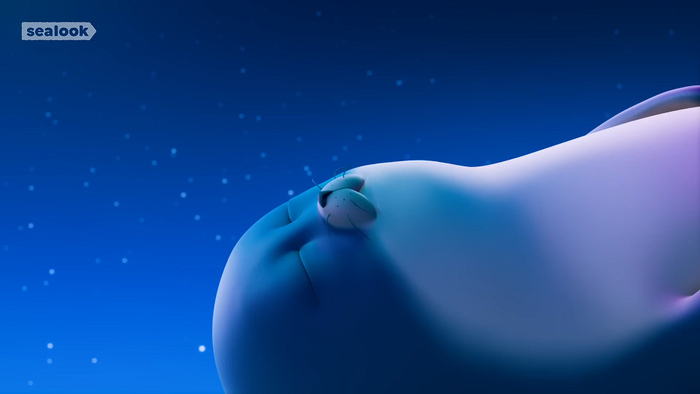
009 first appeared in the fifth episode of the official channel, 010 and 002 disco. Basically, it looks like a passerby (leopard) mentioned above, but it doesn’t show more information, and its role skills are not clear. Maybe it’s "not easy to wake up"?
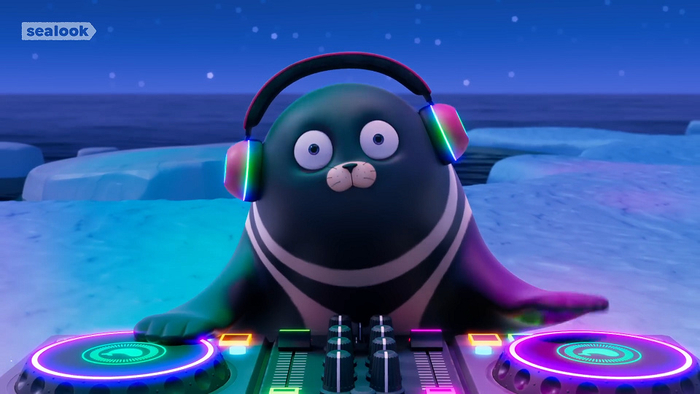
010 really surprised me. The "strap" of this "pirate leopard" image has a clear realistic prototype, that is, the ring seal.
The ring seal in Bering Land Bridge Nature Reserve calls ©NOAA.
This kind of seal is very unpopular, and there are few video materials and artificial breeding, but its voice is really DJ. I seriously doubt that this song by DJ Ring Seal refers to this scientific research recording just now.
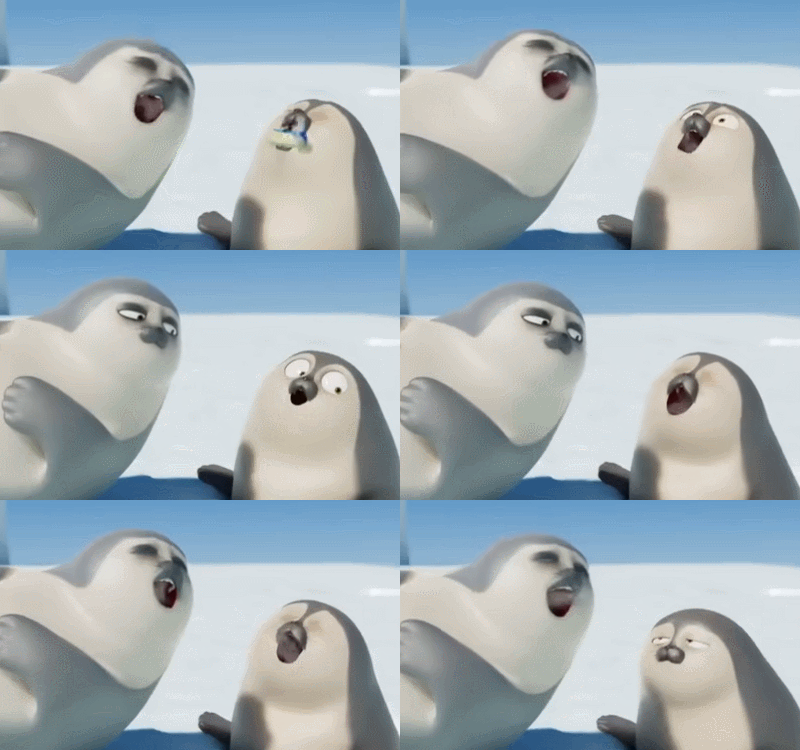
This is basically just changing the size and color of the passerby template, which is not much to say here (yawn)。
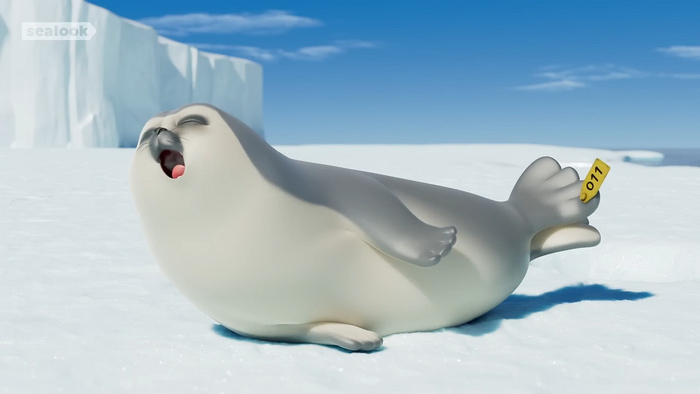
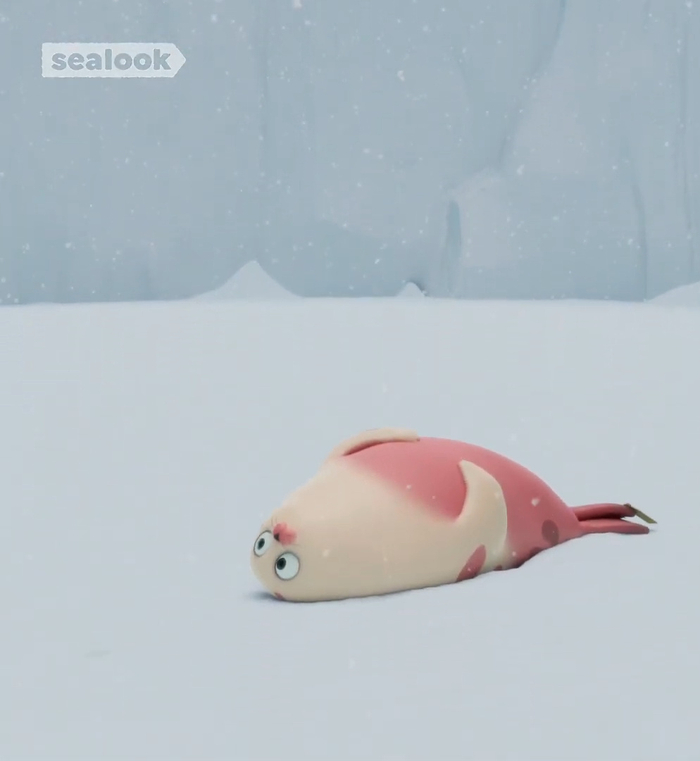
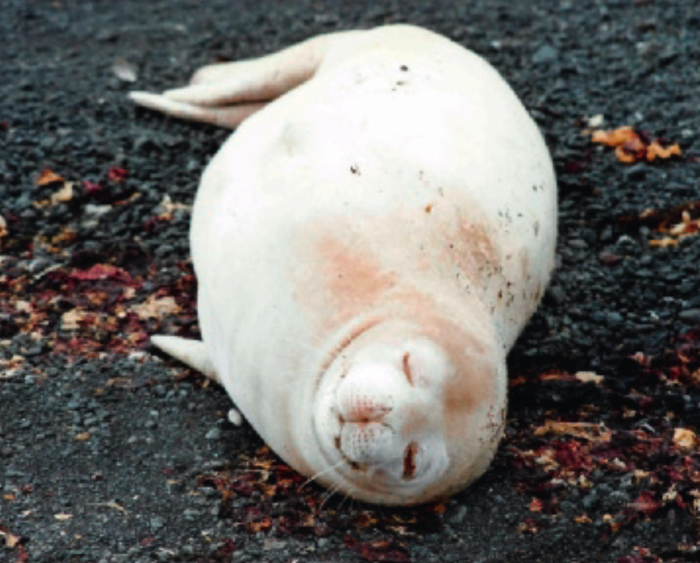
The first appearance was episode 6 of the official channel. Pink leopards usually only appear albino in nature.
There is no clear prototype except passerby template, but the layout of color blocks may refer to harp seals and gray seals.
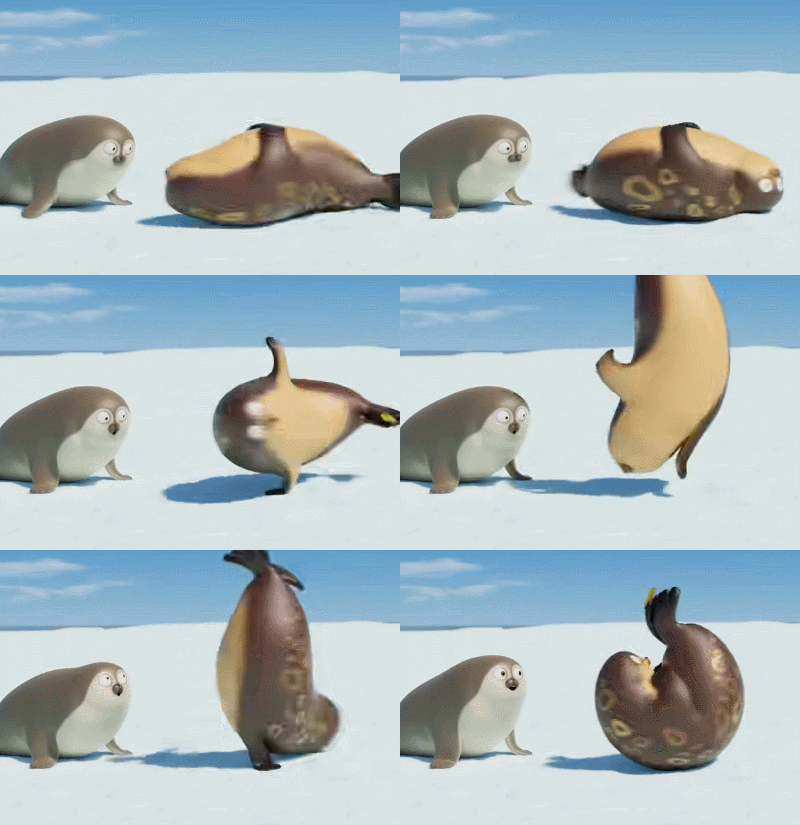
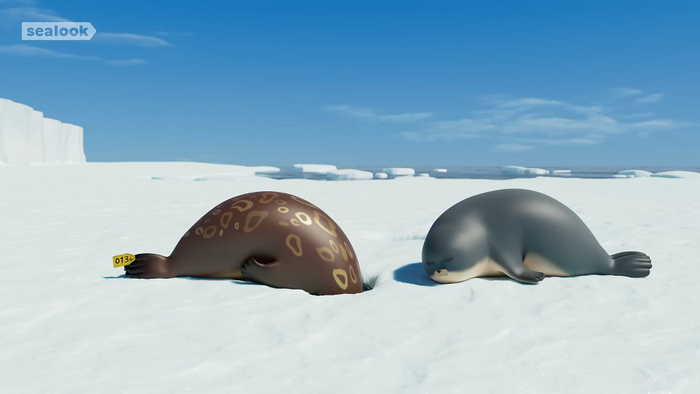
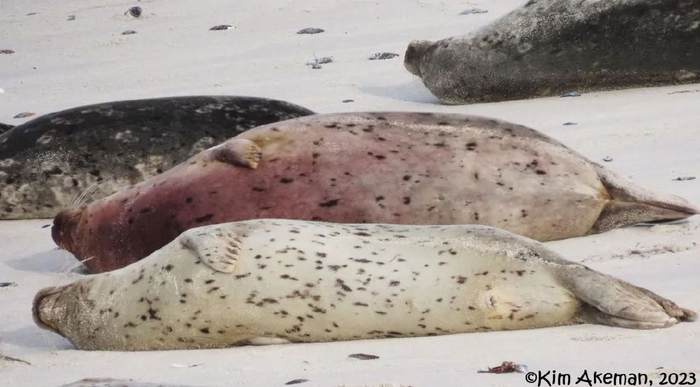
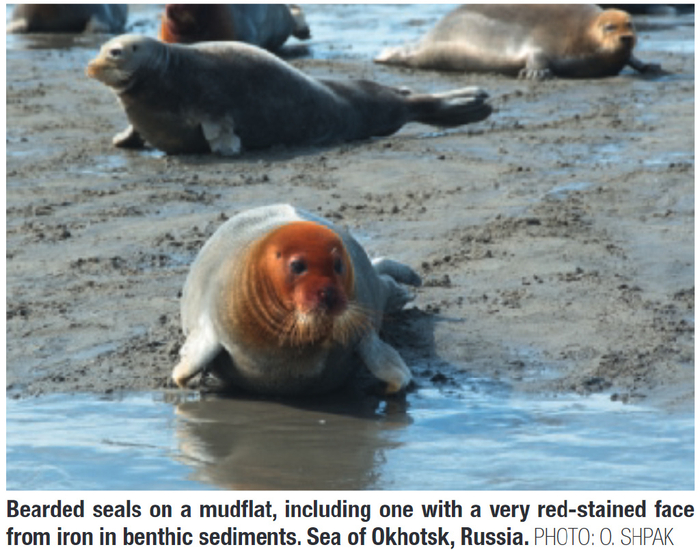
The pattern of 013 comes from ringed seals, and the main reference object should be ringed seals. Purple brown may refer to the state of the harbor seal of the genus Seals next door, which is stained by iron oxide in the water:
Ring-spotted seal is the kind mentioned in 002 just now, and the peas eyebrows are very conspicuous. This kind of leopard generally has this irregular large circle pattern, and the most obvious one is ring-spotted seal. The smallest sea leopard and the only freshwater seal, Baikal seal, also belong to this classification.
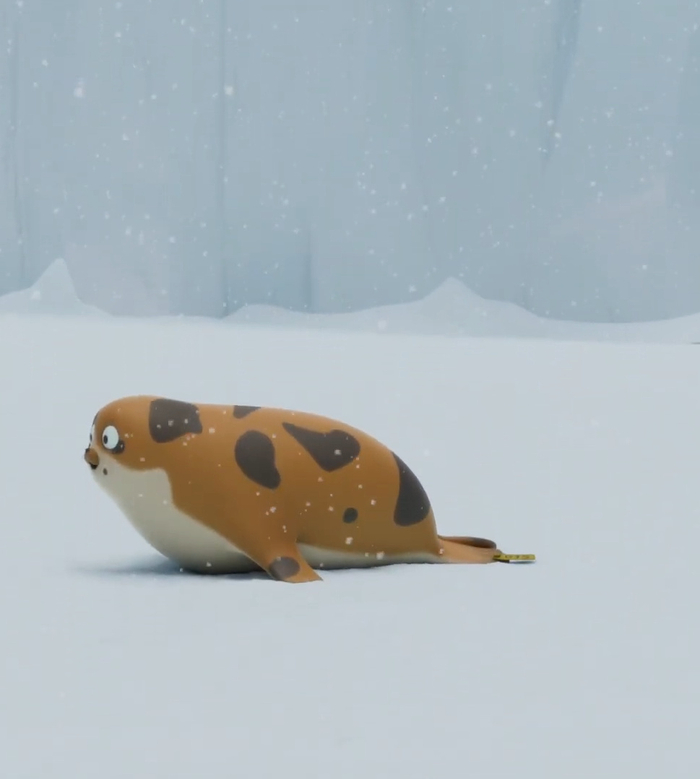
Kai Zi 015 of 012 has no obvious realistic prototype in appearance-this is more like 012. In addition to the passerby template, the reference object is probably the color matching of some breeds of cats and dogs, such as the three-flower cat.
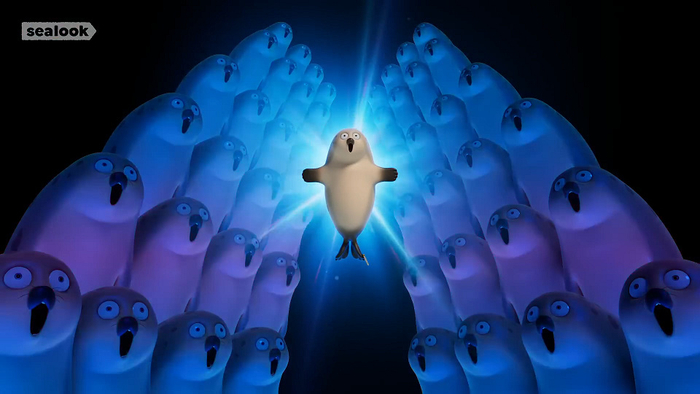
The appearance of 016 is similar to that of 001, and it mainly refers to the young harp seal in the "bedlamer" stage, but the sound of 016 should also refer to the Weddell seal. Weddell seals not only make strange calls, but also make a unique "electric sound", which is also comparable to the sound of 016.
The sound of weddell seals
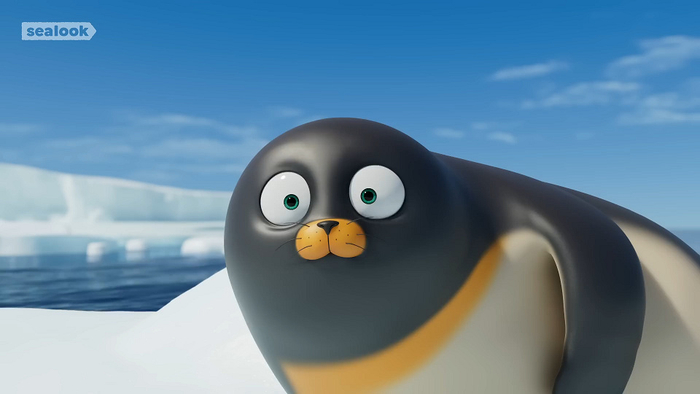
017, which can direct the performance against the belly of leopard, is in the shape of seal subfamily, but the color scheme is obviously emperor penguin or king penguin. I prefer the latter, because usuallyThe white part of the emperor penguin’s neckline extends further back.The yellow part of the beak is also more slender and the edge is more gradual.
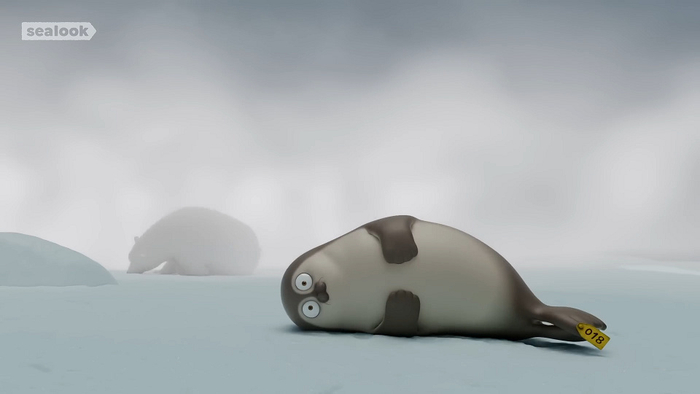
The real reference object of 018 should be the crested seal cub. Compared with the passerby template, 018′ s color matching, body shape and even its position in the food chain are closer to the real crested seal cubs.
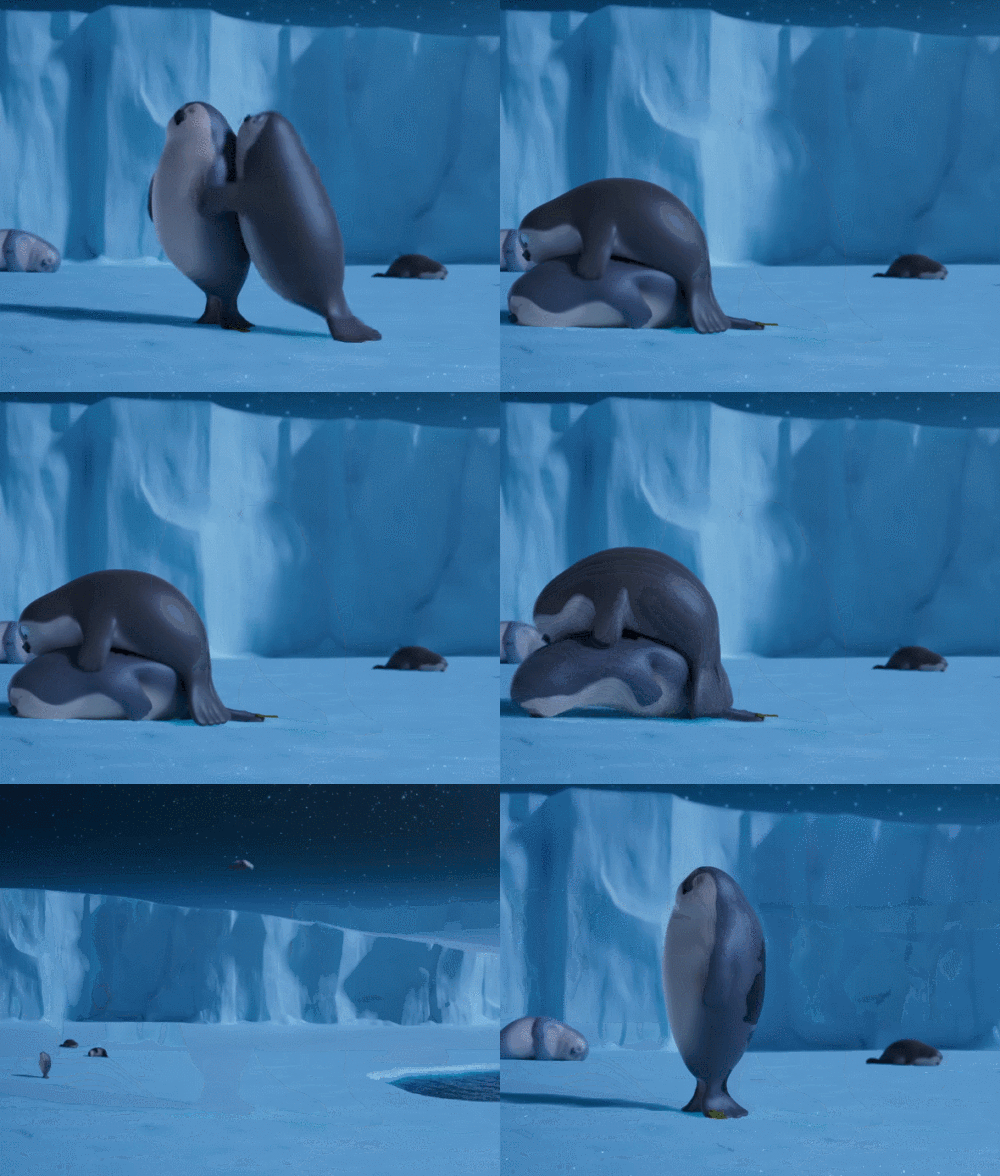
There is a large black area with irregular edge shape on the back of 026, and there is no spot. This should be a fully grown harp seal, which is the characteristic of the "old harp" stage. Although there is no "mask" of an adult harp seal, the main reference object should still be this. In addition, the ability to fly a leopard is not entirely a brain hole. In reality, there is an animal that does have similar skills, but it is not a seal, but a killer whale!

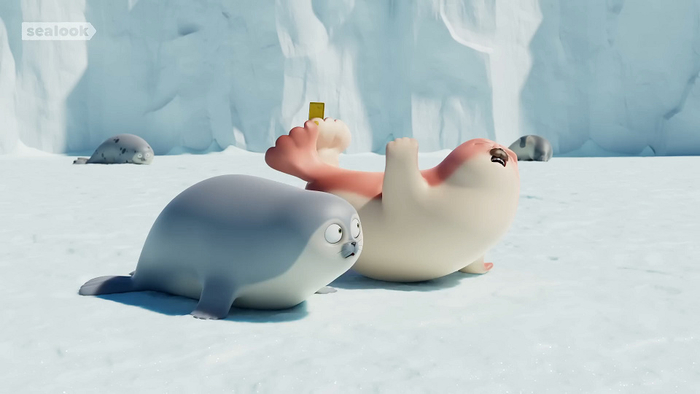
028 seems to have no obvious reference, which is basically a passerby template, that is, the common template of the seal subfamily in this series, plus some magic change in color, and then the spots may refer to the young harp seals.
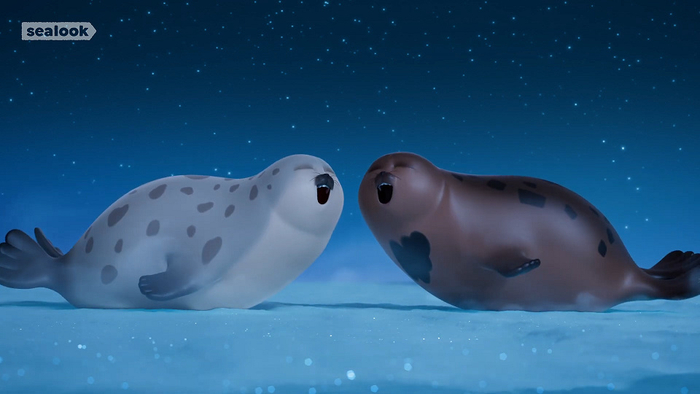
The singer of 016, I don’t know where to learn from Queen’s 029. The prototype of this is the gray seal-although the gray seal is called the "gray" seal, there are actually many individuals who are dark and brown, and the latter is comparable to 029.
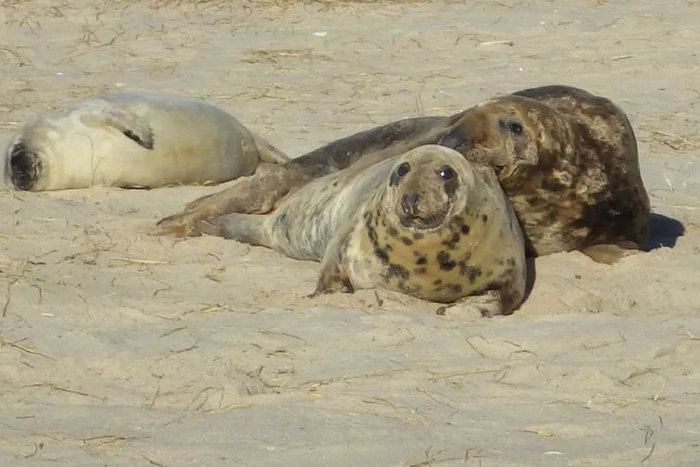
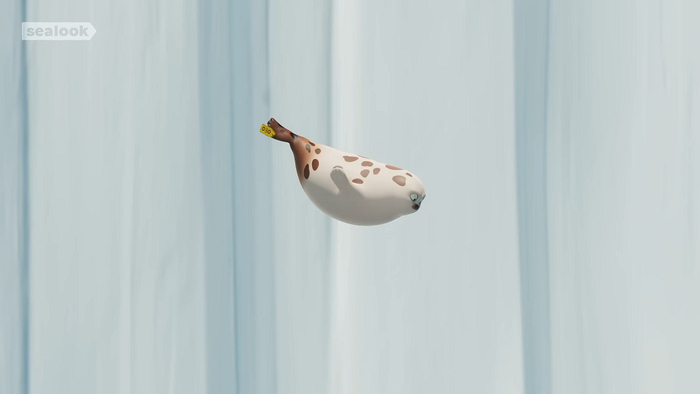
This one has no obvious practical reference, and the pattern should refer to some breeds of dogs. The color may also refer to bearded seals or harbor seals that are deeply stained by iron oxides in water.
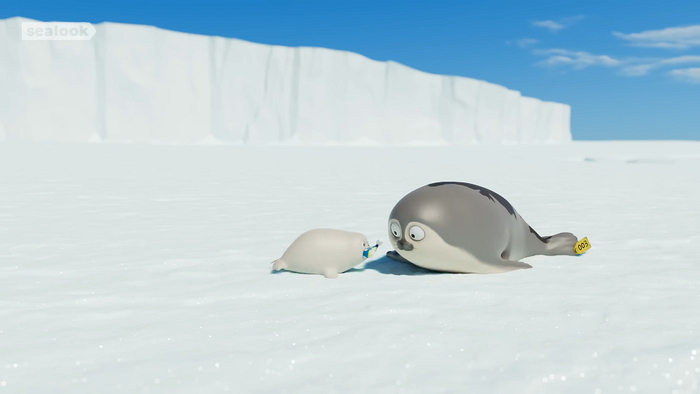
Milky white body with dark gray kiss, and referring to the harp pattern of Leopard Daddy 003, the prototype of 031 should be a harp seal cub. Just bornCubs at this stage who haven’t changed their fetal hair.It is usually called "white coat" in white, which is probably the most famous image of the family Sealidae. By the way, 031 also confirmed the identity of 003-although 003 uses a passerby template, it should also be a harp seal.
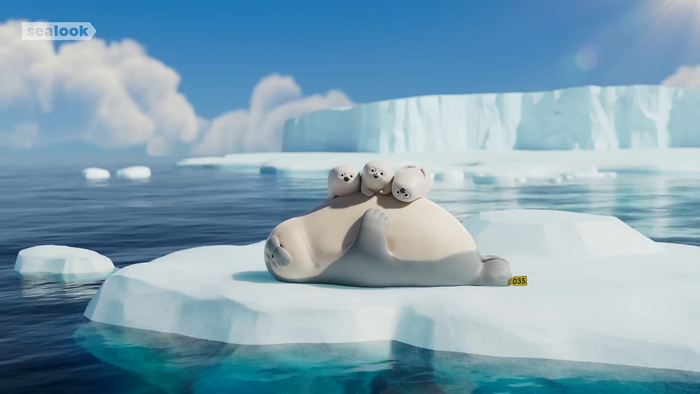
Compared with 003, a leopard dad who is extremely ignorant, 035, a leopard mom with a baby, is very reliable and sings very well. However, the design of these two characters has something in common, that is, the template appearance of passers-by, but the identity of an adult harp seal can be inferred from the image of a leopard cub.
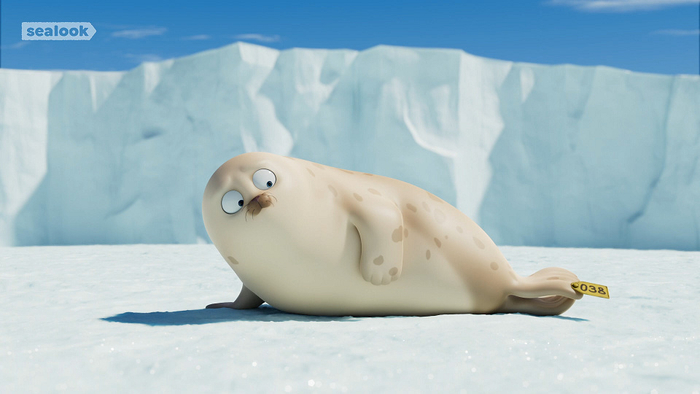
The prototype of 038 is the same as that of 001 and 016, both of which are juvenile harp seals (bedlamer stage). Let’s move on to the next one.
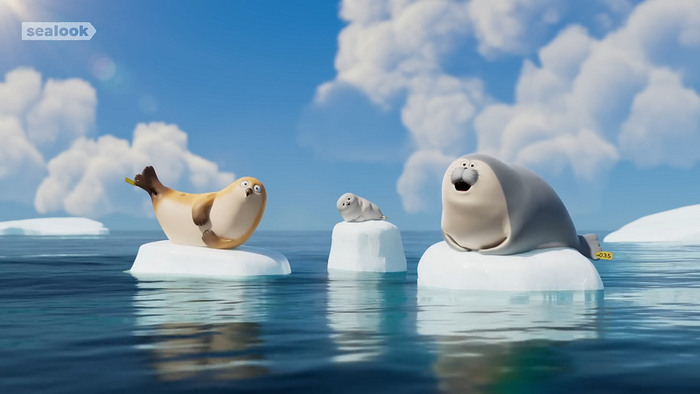
It should only use the passerby template, and the color matching is probably based on the leopard. Um … Liu Bao is a leopard, too. There’s nothing wrong with it …
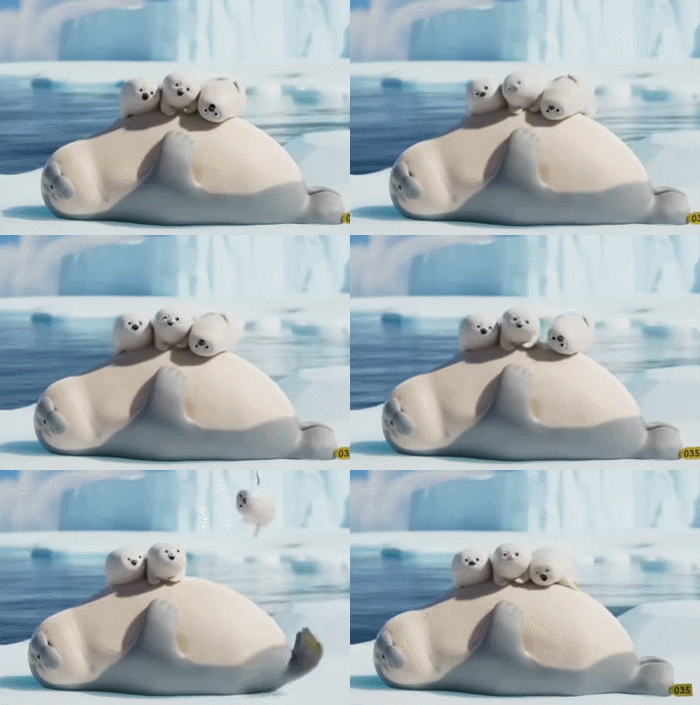
White dumplings and black nose. As mentioned earlier, this is a typical characteristic of newborn harp seal pups.
You see, it’s better to have two yuan-in reality, except for a few kinds such as Weddell seal and Hawaiian monk seal,Other leopards have twins, and it is almost impossible to feed them all.Not to mention triplets. During the lactation period of seals, the mother leopard hoards a lot of nutrients and then transfers them out in a short time with leopard milk with ultra-high fat content, so the total resources are relatively fixed, unlike some other species, which can eat more and feed more if their parents are strong enough.
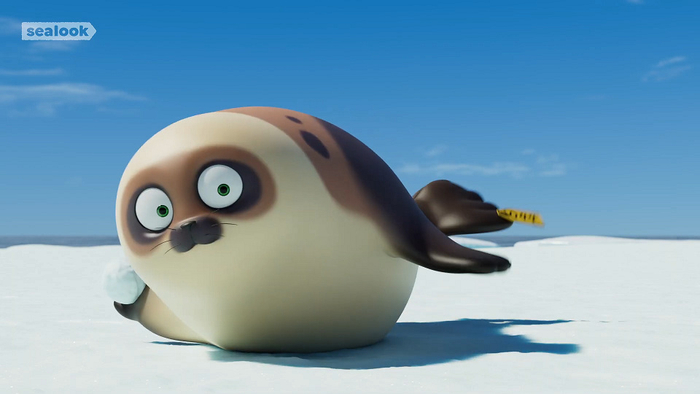
Just talking about the harp seal in the newborn stage, the pattern layout of 044 is similar to that of snot leopard 005, which represents another stage of harp seal, that is, the young harp seal with spots and harp patterns (spotted harp stage). The color of 044 is estimated to come from some kinds of cats, and may also refer to raccoons …
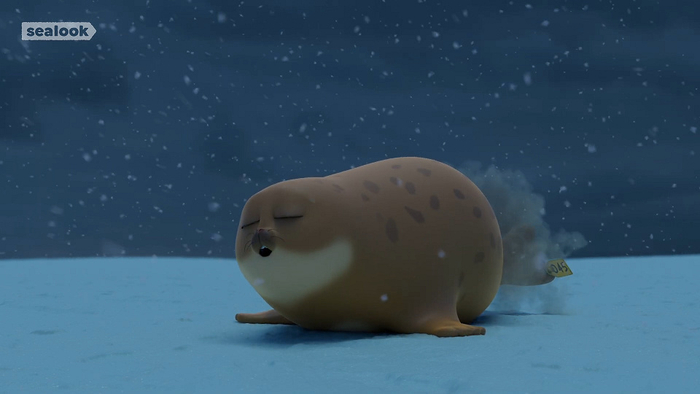
045 should refer to both Gray Seal and Yellow weasel. The basic pattern and spot layout are from grey seals, while the skills and part of the color matching are from.yellow weasel-It’s not only skunks with smelly names, but also Yellow weasel, commonly known as "Weasel" and "Wong Tai Sin". The ingredients are also very explosive, not as simple as stinking, just right for the plot in the animation.

046 Before waking up, the ice has already melted … This is one of the rare moments in this series when the tone is not very happy. Like 001, 016 and 038, the prototype of 046 is also a young harp seal (Bedlamer stage)。
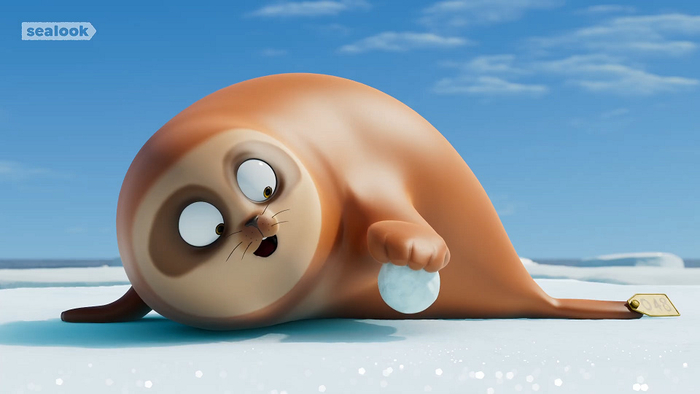
048 is a relatively new character who first appeared in the 13th episode of the official channel. The overall pattern layout is basically within the framework of this series of passerby templates. And this color scheme … plus the rim of the eye and the nose is a reference to the red panda at first glance, but combined with the special skills of 048, the specific reference should beslothAnd it’s not a specific sloth in reality, but the "lightning" based on the sloth with three toes in Zootopia-048 is also characterized by super slow speed, and its mirror movement and expression are really delicious.
Well, the role prototype analysis of "Look at the Seals" is done here. After I finished writing the role analysis, I found that the manuscript was already 4000 words smaller. In order to make it easier for everyone to read, I will make a list of seal knowledge involved in this seemingly Hu Bi (of course, it is indeed Hu Bi) animation, and analyze the reasons why some people in the creative team have a deep knowledge reserve, but they still make a compromise on knowledge in the end.
-end-