What are the differences between the six most common heart operations?
Original Dr. Wang Cardiovascular Doctor Wang Cardiovascular Doctor Wang
Many friends on the Internet consulted Dr. Wang and said that they had heart surgery. What should they pay attention to in the future?
Dr. Wang: There are many heart operations. Please specify what kind of heart operations?
Cardiovascular medicine has developed rapidly, especially many heart diseases can only wait for death many years ago, but now they have developed to the point where they can change their hearts.
Different heart diseases will choose different heart operations. What is the difference between these common heart operations?
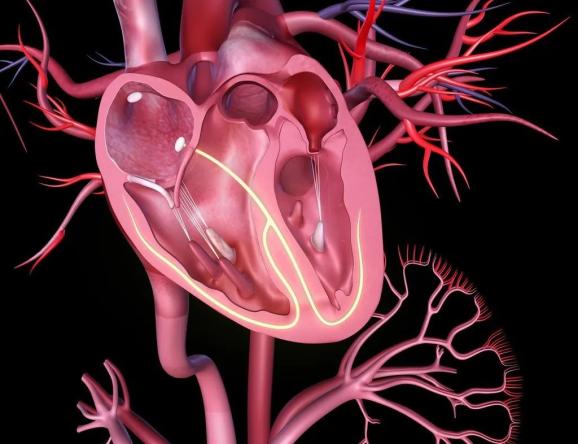
We still compare the heart to a high-tech house first, with waterways, circuits, frames, doors and windows, etc., but the house sometimes has to be repaired, so there are various heart operations:
1, the heart stent:
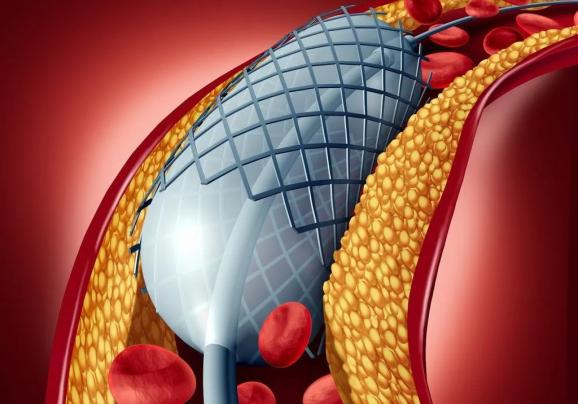
Minimally invasive surgery in internal medicine, the patient is completely awake and does not need surgery;
It enters from blood vessels and is used for coronary heart disease, that is, cardiovascular stenosis or blockage. Stents are used to support the narrow place, so it is called heart stent. Cardiac stent is a good surgical method for angina pectoris caused by sudden occlusion of blood vessels in acute myocardial infarction and uncontrollable drugs.
Coronary heart disease, whether stent or not, needs to adhere to a healthy life and take medicine!
For example, the water pipe in our house is blocked, so we open it first, and then put a mesh shelf in the blocked pipe to prevent it from being blocked again.
2, heart bypass:
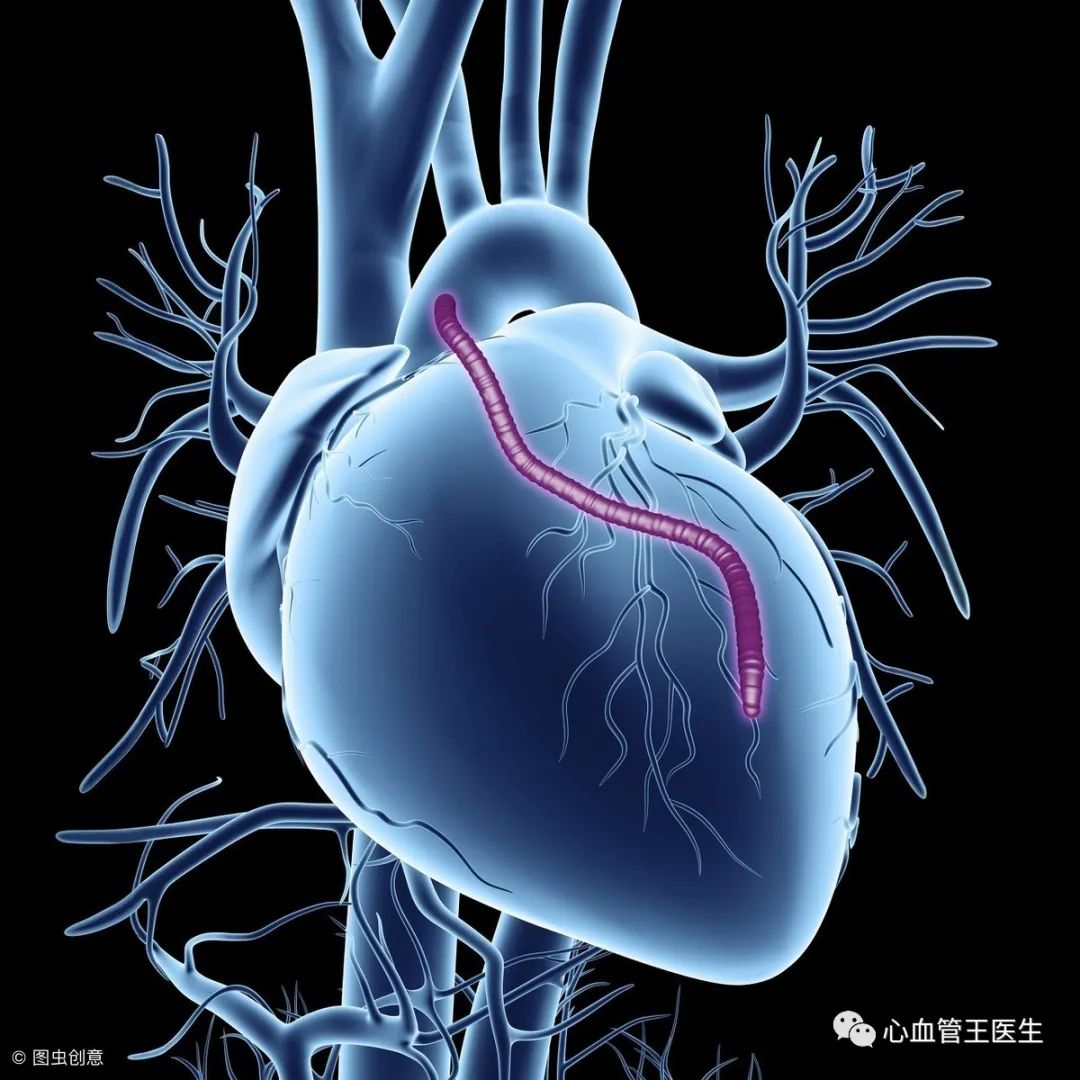
In surgery, patients need general anesthesia and even cardiac arrest;
Take a few blood vessels from other parts of the body and sew them on the heart, which is also used for coronary heart disease, that is, if the blood vessels are narrow or blocked, they are not suitable for stents, and they can be bridged to establish a new channel for blood supply. Most heart bypass operations also require thoracotomy.
After bypass surgery, you also need to take drugs for coronary heart disease for a long time and live a healthy life!
For example, the water pipe in our house is blocked, but we can’t open it. What should we do? Build a new pipe to pass water.
3. Pacemaker:
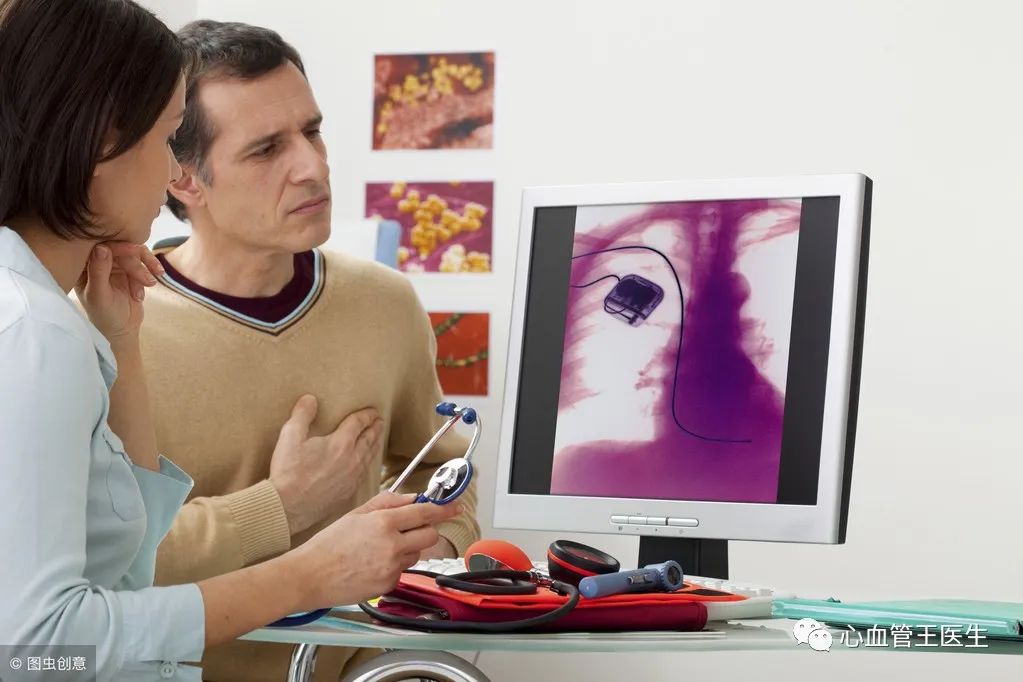
Medical surgery, patients with local anesthesia, need to open a small incision;
It’s just that the heart beats too slowly, and if there is no way to control it, it will faint and die, but the blood supply and ejection function of the heart are ok. Simply put, the heart’s own battery is not working. Put an artificial battery to power the heart and make it beat normally. There is also a pacemaker for the treatment of heart failure, which says heart transplantation, but after all, it costs a lot and there are few donors, but people with advanced heart failure also need treatment. There is a three-chamber pacemaker for the treatment of heart failure, which belongs to internal medicine treatment.
After ordinary pacemaker surgery, it is necessary to check regularly every year to see if the pacemaker works normally, monitor whether the battery is charged, and do not need to take medicine after the heart rate is slow; Three-gun pacemaker, simply understood, is to make the heart beat more normally, and drugs for heart failure need to be taken regularly.
For example, our house was cut off and we bought a generator, but this generator can only be used for 8 years, so we have to replace it.
4, cardiac radiofrequency surgery:
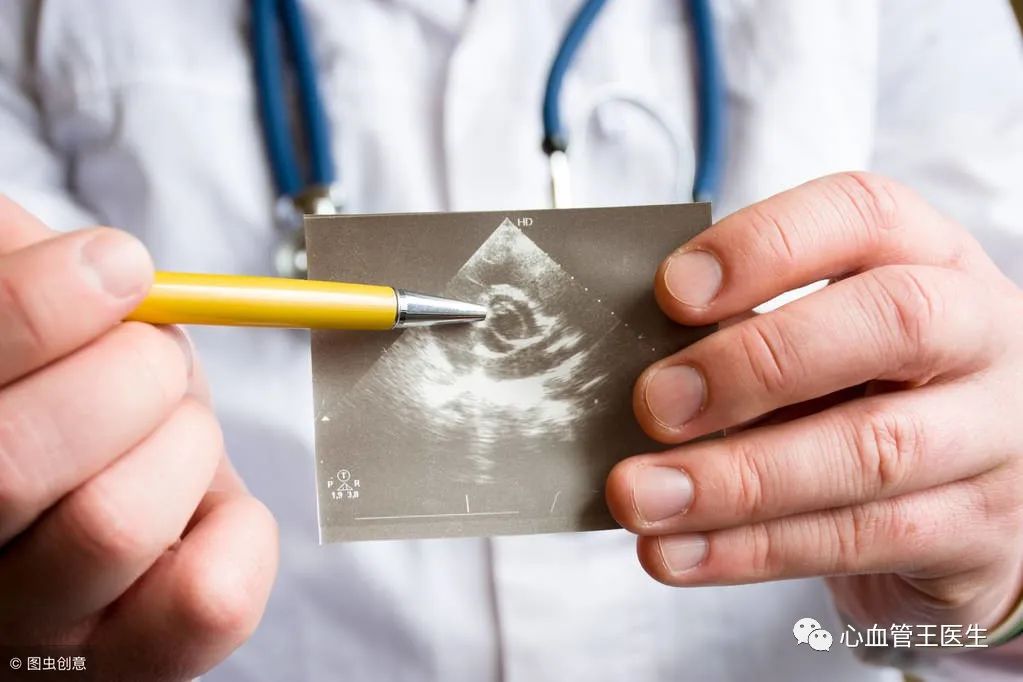
Keywords internal surgery, minimally invasive, vascular operation;
It says that the heart rate is too slow. You can use a pacemaker to treat it. Install a battery. But the heartbeat is chaotic, that is, the circuit in the heart is broken, and the heart is always jumping or beating too fast, so try to burn this circuit short with electricity, which is the radiofrequency ablation of the heart. Burn the extra road, the heart can only beat according to the normal route and return to normal.
Radio frequency surgery, some heart diseases with fast heartbeat can be cured, no need to continue taking medicine!
It’s like the circuit in our house is out of order. Let’s rearrange it.
5, cardiac occlusion:
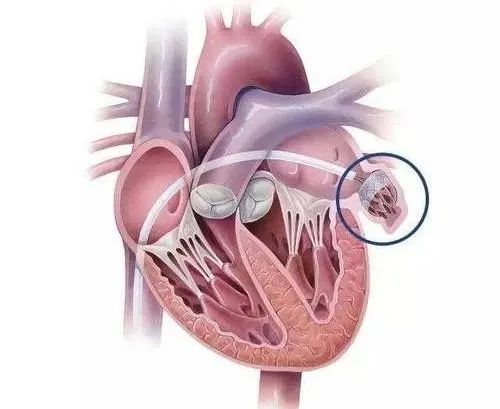
It belongs to minimally invasive surgery in internal medicine. One is that the left atrial appendage is a method to treat atrial fibrillation with thrombosis. Atrial fibrillation is prone to thrombosis, and cerebral infarction will occur when the thrombus falls. We try to plug the place where the thrombus forms, so that the thrombus will not fall and the cerebral infarction will not occur.
After operation, it is necessary to monitor whether the heart rhythm recurs and take anticoagulants for a period of time.
There is also a congenital heart disease, which is more common in young children. After birth, it is found that there is a hole in the wall of the heart, and some people try to mend it.
For example, there is a leak in the house, and we try to plug it with something.
6, heart transplantation, heart change:
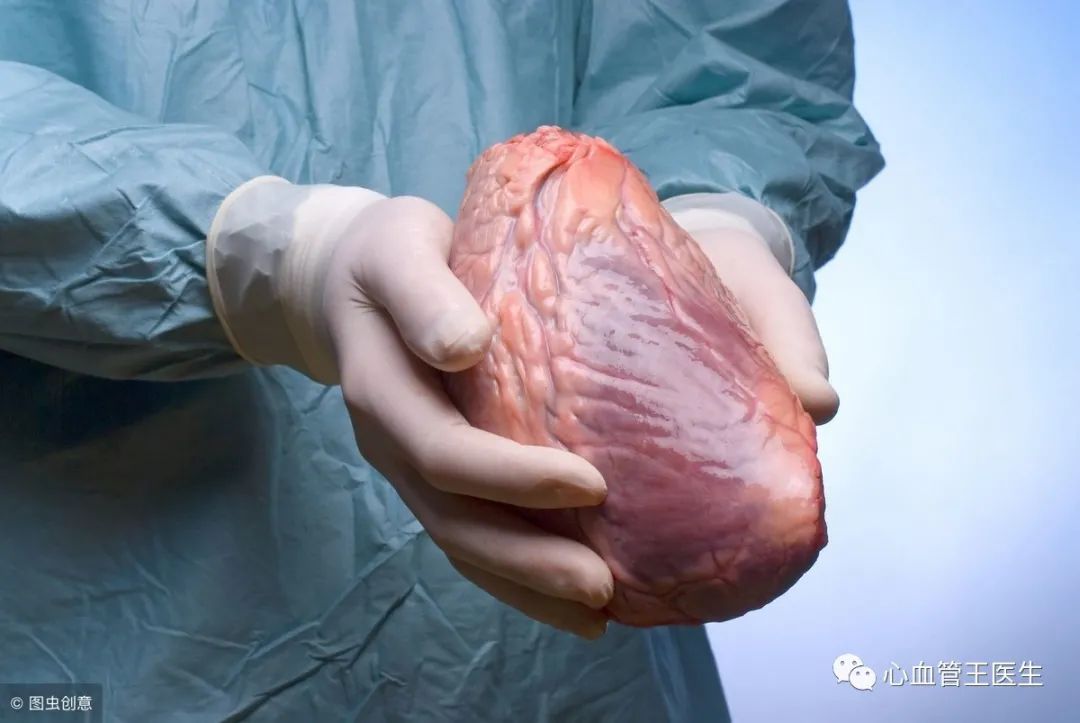
It should be the biggest operation among all heart operations. You can understand that it is very high-tech to cut off the patient’s heart and transplant another heart to the patient. It also needs a heart provider. It is a very big operation, and the cost is relatively expensive. There are also a certain number of heart providers. People who generally need a heart change are mostly in the late stage of heart failure, and the drugs are basically ineffective, but other organs are not bad and young, so they will consider a heart change.
This is easy to understand, the house is not working, change the house!

These are several common cardiac operations. The development of various cardiac operations has improved the symptoms of many patients and extended the life span of many patients, but again, many diseases can be prevented.
The best treatment is not surgery, but prevention!
[Copyright of Dr. Cardiovascular King]
Original title: "What are the differences between the six most common heart operations? Let the doctor explain it clearly once in plain Chinese! 》
Read the original text