Song Jia’s literary fan dressed as "Xiao Hong" 18 sets of styles staged the fashion show of the Republic of China.

    Therefore, Song Jia’s styles in the film were designed by the director Jianqi Huo himself. "Many people may suddenly realize that the style of the Republic of China can still be dressed like this after watching Xiao Hong. In fact, Xiao Hong is the fashion pioneer of the Republic of China. As a well-known Shanghai writer, she is the trend leader. Even now, her dress is still very popular. Whether it is a young literary woman or a white-collar woman in the workplace, Xiao Hong’s single items can be used. " Some netizens who have seen the stills in advance laughed and said: "It is estimated that the same paragraph will be popular in Taobao!"
 
    Song Jia bluntly said, "Xiao Hong" is the most exquisite costume collocation he has ever encountered since filming. "The director is very demanding. He hopes that every detail can reflect Xiao Hong’s feelings. We have been choosing clothes, and we must be beautiful enough and literary. We must reproduce Xiao Hong in the original way. Xiao Hong’s literature and art in his heart are colored." The hard work of the director and the staff was not in vain. "Xiao Hong has been wandering from place to place all her life, suffering from poverty and illness. No matter how poor and hungry she is, she will let herself go out gracefully.The biggest feeling of 18 models for me is that they can guide me to enter the state of Xiao Hong quickly. "

Next page: Song Jia: Xiao Hong is the real literary young woman.

Market survey of babysitters in the Spring Festival: 3300 yuan for chatting for a month without anyone doing it.

Male nannies are still a minority in the market.

  Near the end of the year, the topic of "Chinese New Year nanny’s daily salary exceeds that of 500 yuan" has attracted attention. According to media reports, during the Spring Festival in 2020, the price of domestic service personnel will all rise, and the daily salary of full-time nannies will also start in 300 yuan, and the highest can reach above 500 yuan.

  Every year when the Spring Festival is approaching, the salary and shortage of nannies will cause heated discussion. Families who need to hire nannies also say that it is not easy to find a suitable nanny during the Chinese New Year.

  So, what’s the situation of Hangzhou nanny market this year? Qianjiang evening news recently visited the domestic service market in Zhaohui, Hangzhou, and chatted with the agents and aunts.

  "Aunt in short supply? You see, we sit here every day waiting for the aunt hired by the employer. " Zhang Fengjuan, head of Chengwang Home Economics Service Department in Hangzhou Zhaohui Home Economics Service Market, said that it is now more difficult to match the needs of both parties: employers have their own set of standards for choosing people; When aunts take jobs, most of them have to weigh various factors such as labor remuneration and service intensity.

  3,300 yuan to chat for a month, no one did it.

  "Where are you from?" "How old?" "Going back to your hometown in the New Year?" … … On December 25th, Mr. Wang, a 50-year-old Hangzhou native, wanted to find a nanny for his 75-year-old mother. "My mother lives in an apartment for the elderly, and she is taken care of for eating and washing, and her actions are fairly comfortable. She just wants to find someone to talk with her and look after her at night."

  He soon surrounded a circle of aunts, but none of them had the will to take this job.

  "The monthly salary is 3,300 yuan, and the Chinese New Year is coming soon. Such a price will definitely not be found." An aunt from the Northeast is very honest and frank: Even though this kind of work is relatively easy, their main purpose is to make money. "Without money, everything else is useless.".

  At 3: 00 pm, there are few employers looking for domestic service, and aunts sit and chat in twos and threes, and also share some recruitment news. "I just came to an employer and lived in a five-story villa. It costs 6,000 yuan a month. Will you do it?" An aunt asked. Soon, many aunts around began to discuss. Some people estimated that "cleaning the fifth floor, cooking and looking after the children are very tired and unbearable." Someone bluntly said, "Such a heavy job is not cost-effective."

  Within a few hours of the reporter’s squatting in the domestic service center, some employers came one after another, but few of them actually signed the contract. Mr. Huang, 51, wanted to find a live-in nanny for the elderly at home. He went around the market several times and didn’t find the right one. He said, "During the Chinese New Year, my salary will definitely go up, and I can accept it, but the main reason is that there is no eye fate. Choosing a nanny depends on the eye fate."

  It’s hard to find a job after 60.

  Aunt Han from Jiangxi has been waiting in the market for several days, but she hasn’t waited for her employer. She said, the main reason is my age. "I am 62 years old this year. Many employers will think I am too old, afraid that I will not do things neatly, and I am afraid that I will have physical problems at home and cannot afford this responsibility."

  "Of course, people in their forties are the most popular," Aunt Han observed some aunts who were negotiating with their employers, and was a little unconvinced. "They are confident, mainly young, but many of them are not as experienced as me."

  During the interview, Aunt Han told reporters not to always write "nanny shortage". "Look, where is the shortage? Aren’t they all waiting aunts?" She recalled that last year, the market suddenly flooded into a group of "unfamiliar faces" aunts. These aunts said that they saw on TV that Hangzhou was "aunt shortage" and their wages were high, so they ran from Wenzhou and Taizhou. "As a result, I found that this was not the case at all and went back the next day."

  Aunt Han also complained that the arrival of a large number of "young" aunts would take away her few opportunities.

  Male nanny wronged: I can cook and wash clothes.

  "Where did you come from?" "I’m not doing it at home now. I’m a security guard."

  "Why did you come here?"

  "Being a nanny again."

  An aunt sat next to Lao Zhang and chatted with him. Lao Zhang, 51, was the only male candidate in the market that day. He changed from security guard because he felt that the income from work in the domestic industry was stable. "There are few cases of wage arrears and family warmth."

  As early as 2006, Lao Zhang entered the domestic industry. Later, because the acceptance of male nannies decreased, he began to find other jobs.

  Lao Zhang said that most families don’t accept male nannies. On the one hand, many male nannies smoke and drink, causing dissatisfaction among the elderly in the family, "ruining the atmosphere." In addition, male nannies spend more on eating and drinking at home. "For example, if a woman eats a bowl of rice, we may have to eat two bowls, which is a bit too much for the average family."

  The aunt on the side took the conversation. "The male nanny is completely uncompetitive compared with us. Cleaning, washing clothes and cooking are all done well by women. "

  Lao Zhang was anxious. "I can cook and wash clothes as well, and I am stronger than you."

  Lao Zhang decided to try again while the Chinese New Year was coming. He said, "It’s best to find a long-term nanny. If not, you can be a short-term babysitter with high salary."

  Aunties gave him advice. Generally, after the twentieth day of the twelfth lunar month, there will be a "replacement tide", and many nannies who used to live at home may come out to be substitutes. The salary depends on the workload of the new employer’s family, usually 300-500 yuan a day.

  Lao Zhang immediately asked after listening, "Is 500 a day to see the elderly or children?" "Children, of course."

  Lao Zhang gave a cry and stopped talking. He knows that the elderly who are seriously ill or fat are more willing to choose him.

  Chinese New Year red envelopes test the employment relationship best.

  In Zhaohui domestic service market, we know that during the Chinese New Year, most aunts hope that their employers can double their wages or give them a big red envelope. Many aunts said that employers usually give them a salary increase, red envelopes and clothes during the Spring Festival. If some employers don’t want to, they may quit their jobs or jump ship when the Spring Festival approaches, and come to the domestic market to see new opportunities.

  "But most aunts still go home during the Chinese New Year, and there are indeed a few substitutes." An aunt said.

  Aunt Ke, who is going to stay in Hangzhou for the Spring Festival this year, said that the salary for the Spring Festival is expected to be one day in 400 yuan. However, she said that domestic service agents are unwilling to raise prices too high. "They are afraid of disrupting the market, and they are afraid that the asking price will be too high and the signing rate will be reduced, which will affect their commission." So sometimes, she will make two preparations, talk to her employer herself, or go to the intermediary to sign an agreement. "Without an agreement, there is no guarantee."

  At present, Aunt Ke has a potential employer and is very satisfied with her, but Aunt Ke still wants to wait and see. "Because I need to take care of an old man with a stroke." She said that most aunts are more willing to take care of children, and their wages are relatively high. Generally, they spend more than 6,000 yuan a month to look after children and 4,000-5,000 yuan to take care of the elderly.

  In the domestic service market, we also found that most of them came from older aunts and employers.

  "Now many post-80s and post-90s couples are looking for domestic service, and they prefer to find it on various Internet platforms, which will also divert some customers. Most of the people who come to the housekeeping center to find their aunts are elderly people. " Zhang Fengjuan said that now, some young aunts will also choose to call the domestic service platform online.

  Should I give the nanny a red envelope during the Spring Festival? (Reporter Chen Xi)

Jiang Zhiqiang’s film enlightenment came from adult films and was deeply influenced by Miyazaki Hayao.


Andy Lau, Jiang Zhiqiang.
    Jiang Zhiqiang’s film legend is matched by his low-key personality. He rarely shows up in public and is rarely interviewed by the media. Few people know that his "movie enlightenment" came from adult movies, that he was a "rich second generation" who only knew how to eat, drink and be merry every day before the age of 30, that he was a "workaholic" who talked with people about movies during holidays, and that he was a "thrifty man" who only took economy class on business trips.
 
Film enlightenment

Go abroad with my father to buy movies and watch adult movies at the age of 13.
 
    Jiang Zhiqiang was born in Hong Kong in 1953. His father Cho-Toi Kong was a famous film distributor at that time. He started to work as an assistant manager in a Broadway cinema in Mong Kok in 1959, and later established Anle Film Company. Jiang Zhiqiang’s brother, Zhiwen Jiang, was the helm of Anle Film Company in 1980s. In 1980, the documentary "Bitter War" edited and produced set a new record for Hong Kong movies with Jackie Chan’s box office of nearly 10 million Hong Kong dollars.
 
    Jiang Zhiqiang, who was born in a movie family, watched movies in the cinema where his father was the manager since he was a child. He also followed his father to buy films all over the world. Regarding Jiang Zhiqiang’s film "Enlightenment Education", people in the circle have always talked about that he followed his father to Denmark to buy a film when he was 13 years old, and watched the first erotic art film in his life. "My father likes to take children with him, so he took me and my sister with him when he went to buy films. At that time, he went to the cinema to watch adult films, and people refused to let him take two children in, so my father showed a guest card and said ‘ I’m here to buy a film, and I can’t leave my child outside ’ 。” So, Jiang Zhiqiang followed his father to watch the first adult film in his life. After watching it, his father rushed to ask him "How was it?". But at that time, Jiang Zhiqiang just watched an adult film in a daze. He didn’t know that his future life would be closely linked with movies.
 
Movie awakening

Doing nothing before the age of 30, influenced by Miyazaki Hayao after the age of 30.
 
    Dad and brother are both filmmakers. It seems that Jiang Zhiqiang should go abroad to watch movies, and then come back to take over his father’s film career, but the "legendary" story will never follow the established track. Some people say that Jiang Zhiqiang was an idle "rich second generation" before the age of 30, but he still did not forget to laugh at himself: "Where there is no rich second generation, my father is not so rich." It is an indisputable fact that Jiang Zhiqiang was really a loser before he was 30 years old. When he was young, he was not interested in movies. He didn’t study abroad as a film major, and his academic performance was not good. "I didn’t know what I was going to do before I was 30 years old. I played pranks outside all day. What I was most addicted to was betting on horses and playing mahjong, but how could I win by gambling?" Finally, one day, Jiang Zhiqiang found that he had nothing to do. He began to buy and sell movies in his father’s company, and he was fascinated with movies from then on until he officially took over the power of Anle Film Kingdom from his retired father in 1989.
 
    But what really awakened Jiang Zhiqiang was a failed experience, and there was also a movie master who had a far-reaching influence on him. When Jiang Zhiqiang saw an American cartoon in his father’s company, he spent a lot of money to promote it. His cinema only showed this cartoon, but he was defeated by Hollywood blockbusters in the same period and lost a lot of money. That failure touched Jiang Zhiqiang so much that he decided to make a comeback. Later, he saw Miyazaki Hayao’s, "I decided to buy it after watching it. This movie made a lot of money. It can be said that Miyazaki Hayao had the greatest influence on me. His films brought my career to a peak. Later, I released ten films in Miyazaki Hayao, and I became good friends with him. "
 
Film persistence

Pulling people to talk about movies during the holidays has so far been alone.
 
    As for Jiang Zhiqiang’s film story, we all know that he made a desperate investment in films and so on, and since then he has knocked on the door for Chinese films to enter overseas. We also know that he invested in the works of new directors regardless of the return and became a "bole" for a group of young filmmakers. In addition to being in charge of Anle Film Company, Jiang Zhiqiang also owns Hong Kong Broadway Cinema Line. Although he doesn’t have to worry about the management and operation of the cinema at all, going to the cinema to watch movies is his weekly homework. "I will go two or three times a week, because the audience sitting next to me is the boss, and they will tell you what to shoot." Jiang Zhiqiang also invested in art cinemas because of his personal complex. The Broadway Film Center in Yau Ma Tei and the Contemporary MOMA Broadway Film Center in Beijing have become sacred places for young artists to worship, but the cinemas are still losing money today. "See how long you can last, and how much you will lose in the end."
 
    Because of his obsession with movies, Jiang Zhiqiang is an out-and-out workaholic. He was even exposed to calling colleagues to discuss the script during the Spring Festival one year. Of course, this joke spread to boss Jiang himself and felt a little exaggerated, but he still sincerely said, "Once you find your own ‘ Love ’ I will think of it all the time. In Hong Kong and the Mainland, when you think of something, you will find someone to talk to. There is no one to talk to abroad, so I am glad that someone is as enthusiastic about work as you and is willing to talk to you. " Jiang Zhiqiang is in love with movies, but he is still alone, unmarried and childless. Obviously, such a life is not complete, but he calmly faces: "There are always many regrets in life. It is your luck to find something you like, but who doesn’t have regrets?" So I never compare with others. Now the most important thing in life is happiness. "
 
Film economy

Small companies save money and insist on flying economy class on business trips.
 
    In the spotlight, Jiang Zhiqiang and Anle’s films reflect a series of legendary movie stories, but today, Jiang Zhiqiang still keeps a low profile, and his "small company" has always maintained a scale of about 50 people, and only invests and distributes movies. Compared with listed companies such as Huayi and Bona, Anle didn’t even set foot in a star broker. At the beginning, Tang Wei and Kwai Lun Mei were only signed as friends to help. "What if a listed company has to face shareholders and make a movie that doesn’t make money? Our small company can explain itself. "
 
    Boss Jiang’s film kingdom insists on being "small" rather than "big". He is cautious when dealing with investment, and even pursues "frugality" in his daily life. Insiders often accuse Boss Jiang of being "stingy". Andy Lau joined forces with Jiang Zhiqiang to invest this time, but even Liu Tianwang wanted to make additional investment, which was three requests and four demands. Finally, he took out a piece of money to become a shareholder. Boss Jiang is also famous for his "careful calculation". He insists on taking economy class on business trips on weekdays: "I am used to sleeping by plane. For example, it takes only two and a half hours to get from Hong Kong to Shanghai. What kind of location makes no difference to me. Of course, if I fly abroad for a long time, I will choose business class, but I can’t fly first class because I am the boss. "

Intangible protection is not only inheritance but also enlightenment.

Exotic flowers, animals and birds, life celebrations … In the Li brocade interwoven with red, yellow, blue and white, warm fingers and delicate silk thread weave together the craftsman’s pursuit of beauty and respect for tradition, inheriting skills and conveying wisdom and emotion. Recently, the traditional spinning, dyeing, weaving and embroidery skills of Li nationality have been transferred from UNESCO’s List of Intangible Cultural Heritage in Urgent Need of Protection to the List of Representative Works of Intangible Cultural Heritage of Humanity. This progress means that this 3000-year-old skill has grown after protection and development, with more and more inheritors and stronger survival.

  2024 marks the 20th anniversary of China’s accession to the UNESCO Convention for the Protection of Intangible Cultural Heritage. In the past 20 years, China has made universally recognized achievements in the field of intangible cultural heritage protection, and the transcripts of intangible cultural heritage protection in China are shining. Forty-four projects have been listed in UNESCO’s representative list of intangible cultural heritage, ranking first in the world, which is not only a high praise for China’s intangible cultural heritage protection work, but also an affirmation of China’s efforts to maintain global cultural diversity. At the domestic level, the State Council has published 1,557 national intangible cultural heritage projects, the Ministry of Culture and Tourism has identified 3,056 national intangible cultural heritage inheritors, and there are more than 100,000 national, provincial, municipal and county intangible cultural heritage list projects. These data are undoubtedly the best proof of the richness and protection of intangible cultural heritage resources in China.

  It is particularly worth mentioning that China has innovatively established 23 national cultural and ecological protection (experimental) zones, which provides strong support for the overall regional protection of intangible cultural heritage and creates a good ecological environment for its inheritance and development. Like the traditional spinning, dyeing, weaving and embroidery skills of the Li nationality, the Year of Qiang has recently been transferred from the List of Intangible Cultural Heritage in Urgent Need of Protection to the List of Masterpieces of Intangible Cultural Heritage of Humanity. The Qiang nationality is known as the "living fossil" in the evolution history of the Chinese nation, and its ancient culture has been completely protected in the Qiang cultural and ecological protection zone. The successful practice of these protected areas has not only promoted the deepening of domestic intangible cultural heritage protection, but also provided valuable experience and enlightenment for international intangible cultural heritage protection.

  The in-depth promotion of intangible cultural heritage protection can not be separated from the leadership of the government and the extensive participation of all sectors of society. The 14th Five-Year Plan and the long-term goal outline for 2035 clearly put forward the important task of strengthening the systematic protection of intangible cultural heritage, and the 20th National Congress of the Communist Party of China and the Third Plenary Session of the 20th Central Committee also made important arrangements for the protection and inheritance of cultural heritage. By building a list of representative intangible cultural heritage projects, perfecting the inheritor system, promoting regional overall protection and speeding up the construction of heritage experience facilities, China’s intangible cultural heritage protection and inheritance system has been improved day by day, and the popularization degree has been significantly improved, injecting new vitality into economic and social development.

  Intangible heritage protection is not only related to the inheritance and development of traditional culture, but also to the nourishment and enlightenment of modern society. As an important part of Chinese excellent traditional culture, intangible cultural heritage originates from people’s production practice, is an important content to meet people’s spiritual and cultural needs, enhance people’s livelihood and well-being, and is also an important kinetic energy to promote high-quality economic and social development. Rural revitalization is a broad stage for the protection of intangible heritage, which gives intangible heritage a more vivid practical scene and makes traditional skills glow in the wave of rural revitalization. The two complement each other and will surely weave a colorful picture of rural cultural revitalization together. (Zhang Qing)

China’s intangible heritage protection work is stable and far-reaching

Since Kunqu Opera was selected into UNESCO’s "Representative Works of Oral and Intangible Heritage of Humanity" in 2001, the government-led protection of intangible heritage in China has gone through 17 years. Although China’s intangible cultural heritage protection has not been carried out for a long time from an international perspective, with the great attention of the CPC Central Committee and the State Council, and the joint efforts of cultural administrative departments at all levels and all walks of life, China’s intangible cultural heritage protection has made rapid progress and achieved fruitful results, which not only created a vivid situation for the inheritance and development of intangible cultural heritage in the contemporary era, but also provided many methods and measures for the international community with China experience.

Establish rules and regulations, and build an intangible cultural heritage protection system.

In order to comprehensively understand and master the species, quantity, distribution, survival and inheritance of intangible resources in various regions and ethnic groups, from 2005 to 2009, China launched the first nationwide survey of intangible resources, and the total number of intangible resources was nearly 870,000. On this basis, China has established a national, provincial, municipal and county-level intangible cultural heritage list system. Up to now, the State Council has approved and published 4 batches of 1,372 national representative projects, and 15,550 provincial and municipal representative projects have been approved and published by various provinces, autonomous regions and municipalities. The former Ministry of Culture identified 4 batches of 1,986 national representative inheritors, and 14,928 provincial and municipal representative inheritors were identified by all provinces, autonomous regions and municipalities. China has been selected into UNESCO’s list of intangible cultural heritage projects, reaching 39, ranking first in the world.

In 2011, China promulgated and implemented the Intangible Cultural Heritage Law of People’s Republic of China (PRC). The promulgation of this law is a milestone, which provides a solid legal guarantee for the protection of intangible cultural heritage in China. The former Ministry of Culture has successively issued regulations on the protection and management of non-legacy representative projects, the identification and management of representative inheritors, the management of special funds, and the construction and management of cultural and ecological protection zones. By the end of 2017, 26 provinces, autonomous regions and municipalities across the country had promulgated regulations on the protection of intangible assets.

With the deepening of understanding, China proposes to protect the intangible cultural heritage and the environment where it breeds and develops. Since the establishment of Minnan Cultural and Ecological Protection Experimental Zone in 2007, China has successively set up 21 national cultural and ecological protection experimental zones in areas with concentrated non-legacy projects, distinctive features and complete contents and forms, and strived to promote each experimental zone to become a cultural and ecological zone with rich heritage, strong atmosphere, distinctive features and benefits for the people.

Carry forward and improve the practical ability of inheritance.

On the basis of continuous improvement of the intangible cultural heritage protection system, in recent years, the former Ministry of Culture put forward three important concepts: "protection in improvement", "intangible cultural heritage entering modern life" and "seeing people, seeing things and seeing life". A series of work focusing on the protection of inheritance practice, inheritance ability and inheritance environment has been carried out, which has brought intangible cultural heritage back to life and revived its vitality in contemporary production and life.

The work of intangible cultural heritage records is a basic work of intangible cultural heritage protection. Since the 18th National Congress of the Communist Party of China, the former Ministry of Culture has carried out non-legacy rescue records on the basis of previous investigation records, and gradually summed up experience and expanded and established the non-legacy record project. By the end of 2017, the central government had supported the rescue recording of 839 national representative inheritors, and the unique skills and cultural memories carried by a group of representative inheritors were recorded and preserved.

Traditional arts, traditional skills and traditional medicine and drug processing are intangible items, which are originally produced in production practice, and their cultural connotation and technical value are reflected by the production process, and the general public share their charm by owning and consuming materialized products or works of traditional skills. In view of this type of intangible cultural heritage projects, China puts forward the concept of "productive protection" to encourage and support the inheritors to actively resume production and truly realize live transmission.

In order to further promote the inheritance and revitalization of traditional crafts and expand the contingent of non-genetic inheritors, in 2015, the former Ministry of Culture and the Ministry of Education launched the training program for non-genetic inheritors in China. By the end of 2017, a total of 48,000 people had established self-confidence, been inspired and enhanced their abilities through research and training; The excellent works and rich products created and produced by the students fully show the great energy that can be generated after the creativity and imagination of the vast number of people are released.

In order to explore effective measures to revitalize traditional crafts, since March 2016, the former Ministry of Culture has supported relevant enterprises, universities and institutions to set up 10 traditional craft workstations in traditional craft gathering places, involving embroidery, wood carving, lacquer art, metal forging, traditional residential building skills and other categories. Up to now, Hami Station in Xinjiang, Xiangxi Station in Hunan, Leishan Station in Guizhou, Guoluo Station in Qinghai and Huangshan Station in Anhui have developed more than 1,000 kinds of practical products that have entered modern life, effectively promoting the creative transformation and innovative development of traditional crafts.

Accurate poverty alleviation, from "fingertip skill" to "fingertip economy"

Through productive protection, on the one hand, traditional crafts are carried forward, on the other hand, the income of the masses is increased and the poor people are helped out of poverty. Some inheritors said that "fingertip skill" has really been transformed into "fingertip economy".

In 2017, the former Ministry of Culture focused on supporting non-hereditary people in ethnic areas, remote areas and poverty-stricken areas to participate in the research and training program. Through training, the trainees not only improved their ability to inherit and practice, but also played a leading role in radiation. Take Qiandongnan Miao and Dong Autonomous Prefecture of Guizhou Province as an example. According to incomplete statistics, in the first half of 2017, only 225 students in this state participated in the research and training program, with the mode of "inheritor+cooperative/company+farmer", achieving an annual sales income of more than 750 million yuan. Excellent students returned to the local area to train new students and drive about 9,500 people to obtain employment, of which the poor accounted for 58% of the total employment, and each enterprise drove 47% on average.

Traditional process workstations have also played an important role in promoting precision poverty alleviation. In Hami, Xinjiang, 231 cooperatives and embroidery associations have been established, and more than 17,000 orders have been received. Nearly 1,000 embroidered mothers directly participated in the production of orders, with an average monthly income of 1,500 yuan per person. Hunan Xiangxi Workstation launched the "Let Mom Go Home" program to attract migrant women to return to their families by increasing the income of embroidered mothers. The workstation also negotiated 2,800 sets (pieces) of Miao embroidery orders with companies in Jinan, Shenzhen and other places, amounting to 500,000 yuan, which led to more than 160 rural women’s employment at home.

Spread communication and let excellent traditional culture shine on the world stage.

This year’s government work report proposes to carry forward Chinese excellent traditional culture and deepen cultural exchanges between China and foreign countries. As an important part of Chinese excellent traditional culture and a "living" heritage, intangible cultural heritage plays an important role in strengthening national cohesion and centripetal force and promoting exchanges and mutual learning between Chinese and foreign civilizations.

According to statistics, in the past five years, 320,000 exhibitions of intangible cultural heritage have been held nationwide, with 540 million people participating. A variety of intangible cultural heritage publicity and exhibition activities have comprehensively demonstrated the outstanding practical achievements of intangible cultural heritage protection in recent years, creating an atmosphere for the whole society to inherit and develop excellent traditional culture. The former Ministry of Culture made great efforts to promote the protection, inheritance and revitalization of intangible cultural heritage projects, and supported various localities to carry out a series of performance activities through activity guidance, repertoire mobilization, financial subsidies, dissemination and promotion, which improved the exhibition degree of intangible cultural heritage projects, increased the frequency of practice, and maintained and expanded the survival and development space of intangible cultural heritage projects.

In recent years, international exchanges and cooperation in the field of intangible cultural heritage have been deepening. China actively participates in the meetings of the Intergovernmental Committee for the Protection of Intangible Heritage and the formulation of relevant international rules, and draws on the theoretical methods and successful practices of other countries to provide China’s plan and China’s experience for the protection of intangible heritage in the world. UNESCO has established the Asia-Pacific World Heritage Training and Research Center and the International Training Center for Intangible Cultural Heritage in China. Through international training and exchange activities, these institutions have made important contributions to promoting the capacity building of relevant countries in the Asia-Pacific region for the protection of intangible cultural heritage.

China and Mongolia jointly declared Mongolian long-tune folk songs as masterpieces of human intangible cultural heritage, and cooperated in field investigation and protection of Mongolian long-tune folk songs; Carry out relevant exchange activities with Thailand, Japan and Britain on traditional crafts and intangible cultural heritage protection, laying a solid foundation for strengthening cooperation with foreign institutions in the field of intangible cultural heritage. In China, 35 overseas China cultural centers and 512 Confucius Institutes have been built, and intangible trainings such as Tai Chi and calligraphy have been well received, and traditional festivals and folk activities in China have been widely spread. (Reporter Wang Xuesi)

Summary of 7 nutrients and nutritional diet needed by human body

Original clinical nutrition network

Author: Plain dust-free

Postdoctoral fellow, University of California San Diego Cancer Center. Nutritionist, food safety engineer

Washington University in St Louis, graduate student in public health, pre-medical doctor. Doctor of Public Health from Louisiana State University Health Sciences Center, and Delta Omega Doctoral Award, one of the highest honors of American public health graduates. "China Clinical Nutrition Network" signed a dietitian

His main research interests are smoking cessation, alcohol withdrawal and marijuana withdrawal, nutrition and chronic diseases, and cancer prevention and control.

The article was first published in big doctor magazine, and was revised by the author and then pushed again.

China Clinical Nutrition Network has been authorized to reprint

Nutrients are various substances needed by the human body, which support the growth, development and normal physiological functions of the human body. The nutrients needed by the human body can be roughly divided into seven categories. In the past, we used 15 issues to introduce the physiological functions, excess and deficiency, food sources and hot topics of seven nutrients in detail.

The following is a brief summary of them and a link to introduce each nutrient in detail (click the title to enter directly):

General introduction

The first issue:

(Image from WeChat public platform public photo gallery)

1. protein

An important component of the human body, used to repair and build body tissues, is also the main component of enzymes, hormones and antibodies. Protein is rich in meat, eggs, beans, nuts and seeds.

Phase II:

(Image from WeChat public platform public photo gallery)

2. Fat

Provide energy for the body and help absorb fat-soluble vitamins. It includes saturated fat, monounsaturated fat and polyunsaturated fat. Healthy sources of fat include fish, nuts, seeds and olive oil.

The third issue:

(Image from WeChat public platform public photo gallery)

3. carbohydrates

The main energy source of the human body. It includes sugar, starch and fiber. Whole grains, vegetables, fruits and beans are good sources of carbohydrates.

Phase IV: Phase V:

(Image from WeChat public platform public photo gallery)

4. vitamins

Nutrients that the human body cannot make by itself and must obtain from food or supplements. They contribute to various physiological functions of the body, including immunity, vision and bone health. Vitamins are mainly obtained by eating fresh vegetables, fruits and whole grains.

Issue 6: Issue 7: Issue 8:

(Image from WeChat public platform public photo gallery)

5. minerals

It is very important for bone health, muscle function, nerve conduction and some biochemical reactions. Foods rich in minerals such as fresh vegetables, fruits, whole grains, nuts and seeds.

Issue 9: Issue 10: Issue 11: Issue 12:

(Image from WeChat public platform public photo gallery)

6. Dietary fiber

Although they are not absorbed by human body, they have many health benefits, including improving digestion, preventing constipation, controlling blood sugar and reducing the risk of heart disease. Dietary fiber mainly comes from vegetables, fruits, whole grains and beans.

Issue 13:

(Image from WeChat public platform public photo gallery)

7. Water

The main component of the human body is vital to the functions of all body systems, including temperature regulation, waste removal and transportation of nutrients.

Issue 14: Issue 15:

(Source: WeChat public platform public photo library)

Attachment: Nutritional catering

Why do people eat so many kinds of food every day? Because the body needs balanced nutrients! Every food contains different nutrients, so we need to take them from different foods. Generally, weight catering method and energy catering method can be used.

Issue 16: Issue 17: In the next series, we will use 10 issues to introduce nutrition and health in different life cycles, including the potential impact of newborn birth weight on health, eating and sleeping of babies, health and nutrition needs of children and adolescents, and nutrition needs and health management in early, middle and late adulthood. Regarding the life cycle, if you have any special topics you want to know, please leave a message.

Original title: "[Popular Science Nutrition] A summary of the seven nutrients and nutritional meals that the human body needs! 》

Read the original text

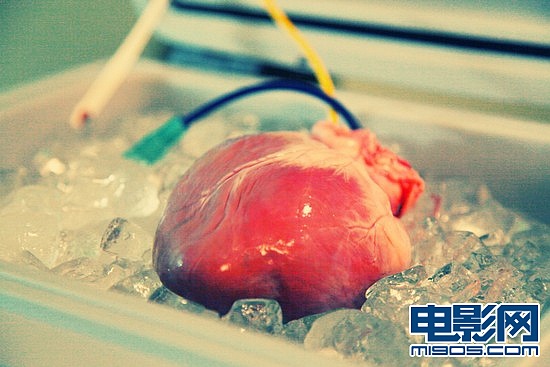
Living transplantation hotbed of murder movie "desperate heartbeat" is scary and high-risk


Realistic heart


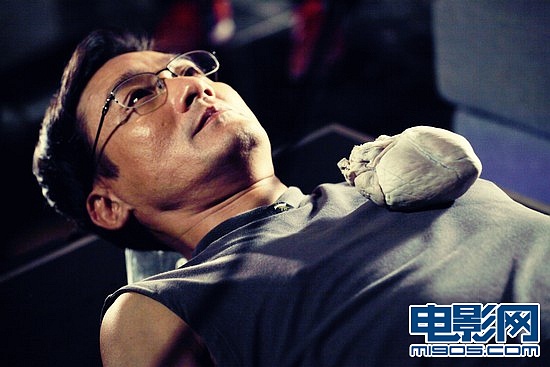
Tony Leung Ka Fai operated in the operating room.


Be with the heart

    Living organ transplantation is a modern medical method that has developed rapidly in recent decades. Through living organ transplantation, countless critically ill patients have been cured and reborn. However, at the same time, this door still needs continuous improvement of medical technology, and there are also many mysteries that are still difficult to explain clearly. And many ugly and even vicious criminal cases that followed.

    In Europe, America, even Japan and South Korea, it is not uncommon to make a fuss about living organ transplantation and create a scary atmosphere. However, in mainland China, it is exclusive to tell cases related to living organ transplantation. A Beating Heart tells the story of a mysterious murder caused by a heart transplant operation.

    Around the heart transplant surgery in the film, the director successfully threw out a concept — — Heart memory, which roughly means that patients undergoing heart transplantation are likely to accept or even completely inherit the memory of the heart donor. The whole film "Desperate Heartbeat" is basically around the knowledge point of "heart memory" to make a fuss, and launched a thrilling and suspenseful story.

    Regarding the phenomenon of "heart memory", there have always been similar cases among many examples of heart transplant operations around the world, but due to the insufficient development of science and technology at present, a reasonable explanation has never been given to this phenomenon. Therefore, for this phenomenon, the general view of the medical community is not to deny its existence, but not to make redundant explanations.

    In the film "Desperate Heartbeat", Lin Xilei, who underwent a heart transplant, felt as if she had become another woman because of her "heart memory" — — Jiangbei Yan. Tony Leung Ka Fai, who performed a heart transplant for her, seems to have something else to hide. All the characters in the film seem to have ulterior motives. Around the heart of Lin Xilei, a life-and-death struggle is staged in horror. What is the truth behind the scenes? Only in late June, after the film is released in major theaters all over the country, wait for the audience to go to the theaters in person and find out!

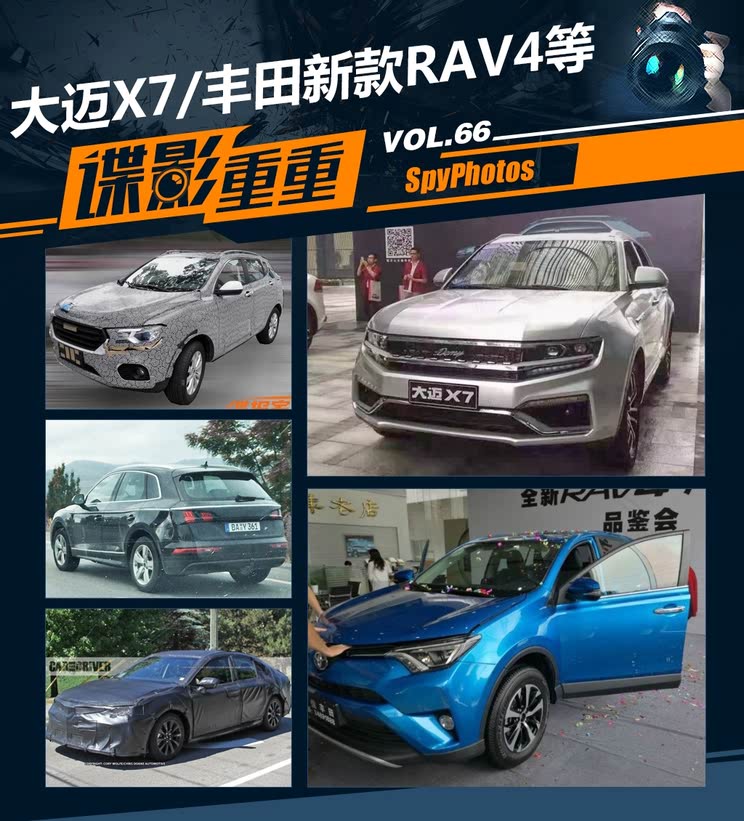
Bourne 66: Damai X7/new RAV4//brand new Q5, etc.

  [Bourne ultimatum] It’s another weekend in a blink of an eye, and the new issue of Bourne ultimatum meets with you. There are many heavy models in this week’s spy photos. Domestically, there are two new cars, the new RAV4, the production version, and the speed car, and the domestic L; Overseas, there are brand-new Q5, brand-new, brand-new and brand-new G-class Toyota. Next, let’s walk into the text and see the specific situation of these 9 cars.

Home of the car

● Zotye Damai X7

Home of the car

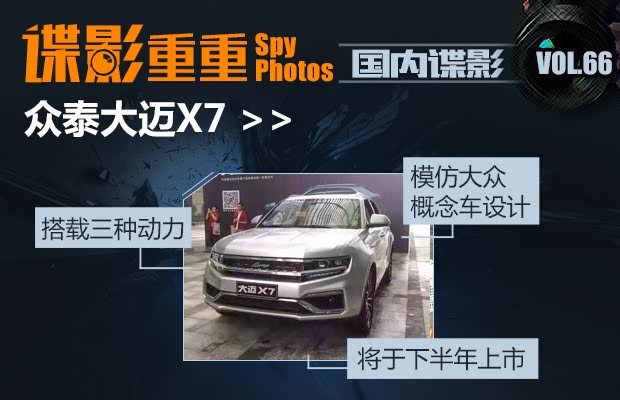
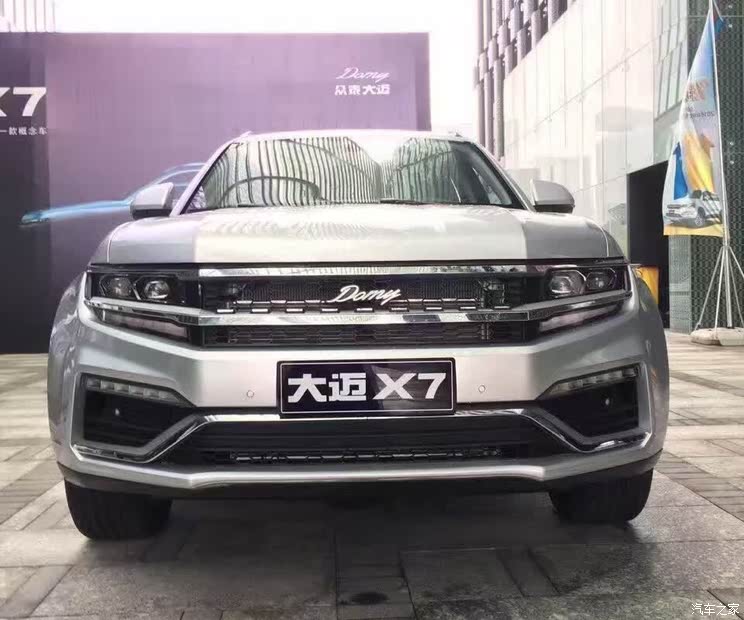
  All along, we can find the shadow of existing models of overseas brands in many models of Zotye. However, when faced with the BMW X7, many people may be confused, but don’t rush to deny their knowledge reserves, because this car is not a production model, but a GTE. Obviously, Zotye beat us to it.

Home of the car

Home of the car

Home of the car

  Damai X7 has a high degree of restoration for the appearance of Cross GTE concept car, including the front face layout and tail shape. On the side, the lines of the Damai X7 are straighter, which is not as exaggerated as the Cross Coupe GTE concept car.

Home of the car

Home of the car

Home of the car

Home of the car

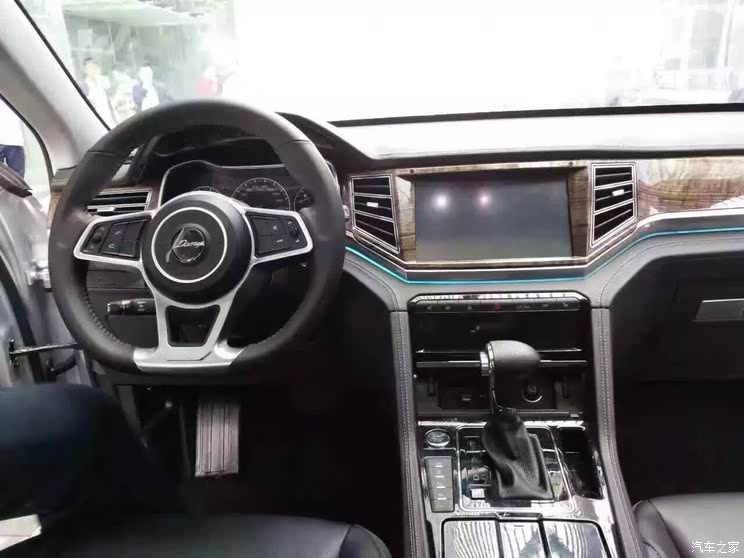
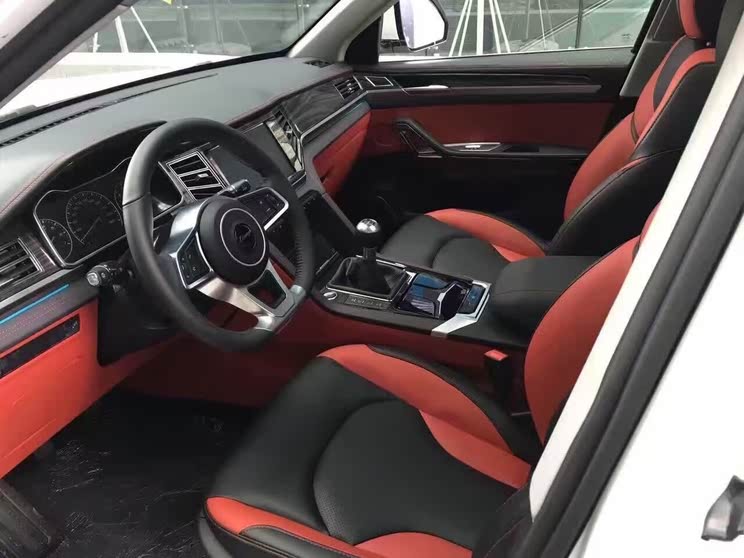
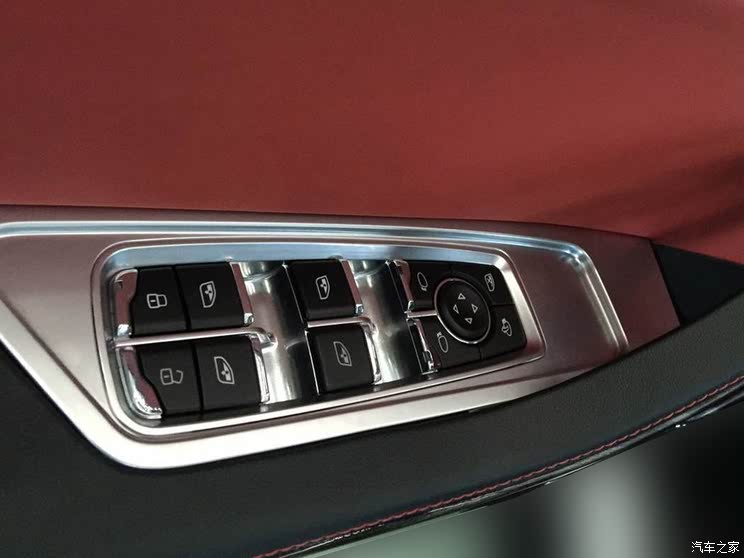
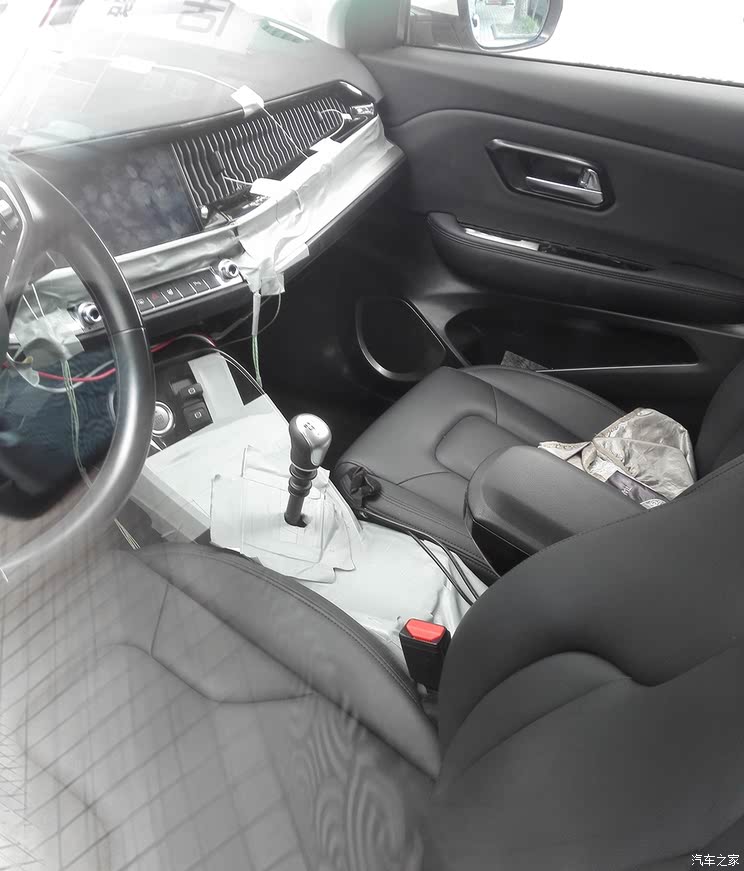
  In the interior part, Damai X7 still draws lessons from the design of the Cross Coupe GTE concept car, and even the details of the air conditioning outlet, buttons and chrome-plated decorative parts are exactly the same as the Cross Coupe GTE concept car. However, the shift lever of the manual transmission model has no sense of design, which is not very harmonious with the overall design.

  As for the power system, Damai X7 will provide three power options, namely 1.5T, 1.8T and 2.0T. In terms of transmission system, it is matched with 5-speed manual or 6-speed.

  Editor’s comment:Every time Zotye launches a new car, it will become the focus of consumers’ attention, because there is really no manufacturer in the market that can reverse develop overseas car companies on a large scale like Zotye. From the earliest, to the next, Zotye’s imitation road has embarked on the "first cosmic speed". What drives Zotye to go on like this is not only high attention, low research and development cost, but also good market response. For example, the monthly sales of Zotye are often above 10,000 vehicles, and in the first five months of 2016, it also sold 43,284 vehicles.

  Although many people will show disdain for such a product, the sales data reflect that it still has a large market. This shows that Zotye’s ability to grasp consumer demand and market hotspots is still very good. This time, the concept car that Volkswagen has not yet mass-produced is used as a blueprint to imitate, and Zotye has even walked in front of the public. Since I have such a vision, I still hope Zotye can bring us more original designs, which is really ahead of other brands.

  Read more:

  Two Interior Styles Zotye Damai X7 Latest Real Car Map Exposure


● FAW Toyota new RAV4

Home of the car

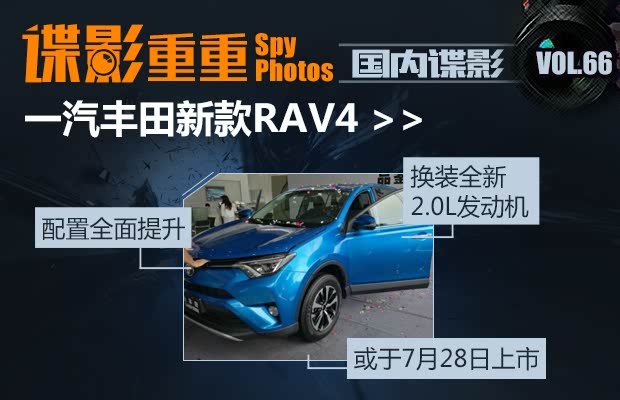
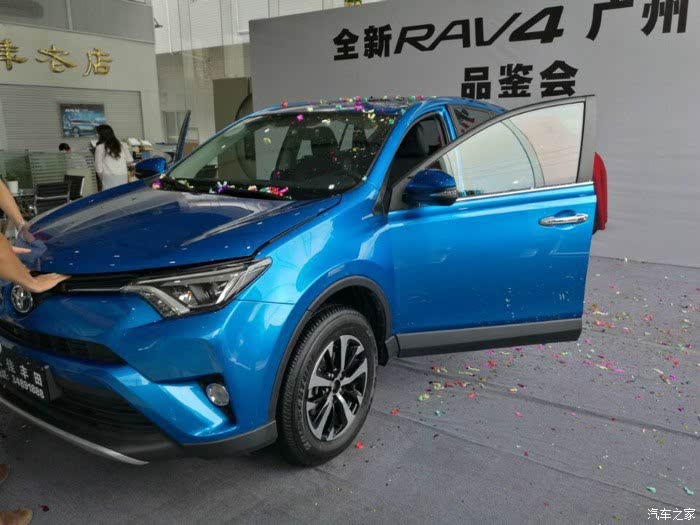
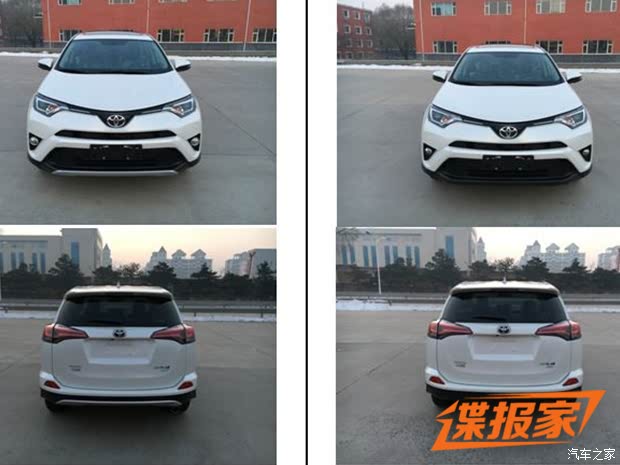
  The market has always been one of the main battlefields among the major players. Although it is an old player, the sales performance of RAV4 has no advantage over competitors. The reason is that the configuration is one aspect that many consumers are dissatisfied with, so the new RAV4 came into being, and the new car was upgraded in the configuration part, further enhancing its competitiveness.

Home of the car

  The new RAV4 continues the design of overseas models in appearance. The main change lies in the front face, the air intake grille above becomes very long and narrow, and the modeling details of the front bumper below are also adjusted. At the rear, the new car redesigned the details of the taillights and bumpers.

Home of the car

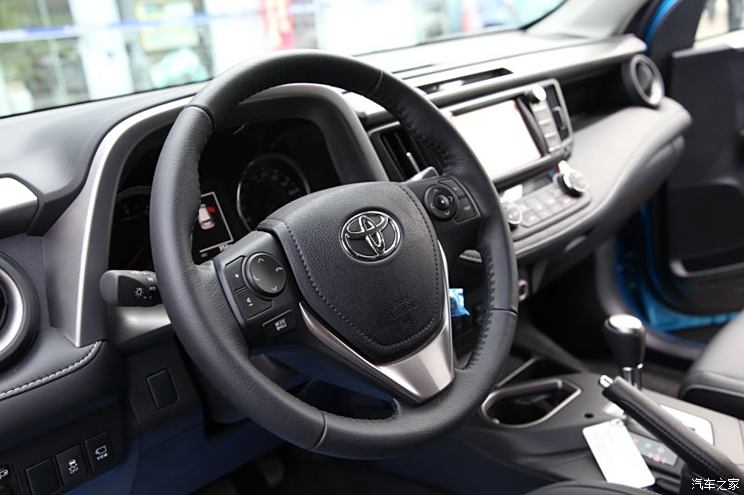
  In the interior, we can see that the overall design of the new car has not changed, but some models have added a 7-inch central control LCD screen and a dashboard with a 4.2-inch LCD screen. In the configuration part, automatic start-stop and body stability systems, systems and systems are added to the entry-level models. The configuration of other models has also been improved to varying degrees, which will increase functions such as panoramic image system, outdoor (with heating), keyless entry (one-button start), and uphill assistance. On the whole, the new RAV4 has a significant improvement in configuration.

Toyota (import) Toyota RAV4 (import) 2016 basic model

"3ZR-FAE engine for overseas models"

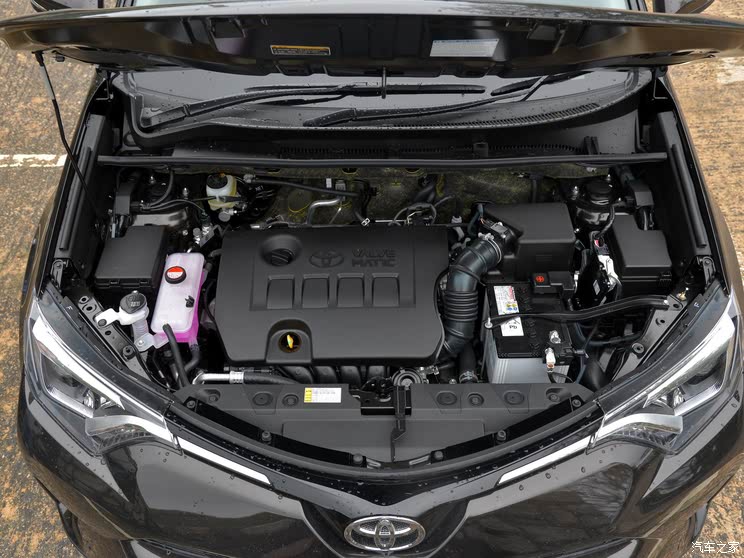
  In terms of power, the new RAV4 is still equipped with 2.0L and 2.5L engines, of which the 2.0L engine is a new engine code-named 3ZR-FAE, and its maximum horsepower is increased from 147 HP to 150 HP. Due to the continuous lift technology, its fuel consumption performance is worth looking forward to.

  Editor’s comment:For consumers who are concerned about RAV4, the upgrade of this configuration should be the most attractive. The current models are not equipped with traction control and body stability control system as standard, which makes some consumers finally choose other products. The new models have been improved in these aspects, and are fully equipped with body stability system, traction control system and uphill auxiliary system, and other configurations have also been upgraded. FAW Toyota has made positive adjustments to the feedback from the market, which is very worthy of recognition.

  In addition to the configuration, we need to pay attention to the replacement of a new 2.0L engine. Although the new engine has little improvement in power performance, according to the introduction of Toyota manufacturers, the continuous variable lift technology can reduce fuel consumption by 5-10%. For RAV4, which is biased towards home, low fuel consumption is undoubtedly an attractive selling point, which is worth looking forward to. It is expected that the price of the new car will not change much, and it may still remain in the range of 180,000-270,000 yuan.

  Read more:

  Or the new RAV4 configuration will be exposed on July 28th.


● Concept B production version

Home of the car

  As an evergreen tree in the China brand SUV market, Haval’s every move will attract the attention of many consumers, and so will this production version of Concept B. Concept B is a production version, focusing on young and fashionable consumer groups.

Home of the car

Home of the car

  The production version of Harvard Concept B locates a small SUV, which will be sold at the same time as H2 in the future. In terms of appearance, this car adopts a typical blue standard style, such as hexagonal air intake grille and sharp headlights, which is very similar to other blue standard models.

Home of the car

Home of the car

  On the side, this car largely retains the design of the concept car. The waistline rises backwards, creating a running posture. At the rear, the Concept B concept car uses two exhaust ports on both sides. Referring to the car body parameters of the concept car, the length, width and height of the car body of Concept B are 4146/1772/1623mm and 2550mm respectively, which is slightly smaller.

Home of the car

  The interior of the production version of Concept B is also quite individual. The center console is equipped with a large-size LCD screen, and the layout style of buttons at the bottom of the screen is the same as that of the blue standard H2. On the right side of the center console, chrome-plated decorative pieces are integrated with the air-conditioning outlets on both sides, which is very novel. In terms of configuration, the new car is equipped with functions such as reversing radar, keyless entry and one-button start. At present, the power information of the car has not been exposed.

  Editor’s comment:In terms of body size, the production version of Haval Concept B is a small SUV between Haval H1 and H2. It is closer to the Haval H2 blue standard in terms of body size and design, and it is also likely to be equipped with a 1.5T engine in terms of power. In terms of price, the current price of Haval H1 is 54,900-82,900 yuan, and the price of Haval H2 is 88,800-12,800 yuan, of which Haval H1 focuses on the market of about 70,000 yuan, and Haval H2 focuses on the market of about 100,000-110,000 yuan. Therefore, in the market of 800,000-100,000 yuan, Harvard still has potential to be tapped, and Concept B was born for this purpose. It is estimated that the final price of this car will be around 700,000-110,000 yuan.

  Although it is said that having more children is easy to fight, it does not mean that children will not fight. At the same time, three products are laid out in the small SUV market, which is rare in car companies. To handle the relationship between these cars well, we must do a good job in vehicle positioning, configuration level, pricing and market strategy, so that the three can be in their respective positions and form a joint force, which will be a difficult problem before Harvard. In addition, I have a question. Since this car is positioned between H1 and H2, how will it be named? Haval H1.5?

  Read more:

  Provide manual transmission Haval Concept B production spy photos.

A thorough reading of the symptoms of different respiratory diseases and the difference of medication

It’s winter.
High incidence of respiratory infectious diseases
But can you tell what kind of infection it is?
Collect it! This article answers your questions!

  1. What are the clinical manifestations of mycoplasma pneumoniae infection?
  Mycoplasma pneumoniae is mainly infected by respiratory tract, which can cause pneumonia, often accompanied by pharyngitis and bronchitis.
  The onset of mycoplasma pneumoniae infection is generally slow, and patients often have chills, fever and dry cough, which may be accompanied by symptoms such as stuffy nose, fatigue and headache. Mycoplasma pneumoniae infection has certain self-limitation. In recent years, the proportion of refractory mycoplasma pneumonia and severe mycoplasma pneumonia has increased among school-age children.

  2. What are the clinical manifestations of respiratory syncytial virus infection?
  In the early stage of respiratory syncytial virus infection, the main symptoms are upper respiratory tract infection, such as nasal congestion, runny nose, cough and hoarseness, and most of the symptoms will disappear by themselves in 1-2 weeks.
  A few cases can develop into lower respiratory tract infections such as bronchiolitis or pneumonia, which are more common in infants under 2 years old.

  3. What are the clinical manifestations of adenovirus infection?
  Adenovirus infection has various clinical manifestations, which can cause common cold, bronchitis and pneumonia, diarrhea and gastroenteritis, conjunctivitis, cystitis and some nervous system inflammation.
  People with chronic respiratory diseases, heart diseases or low immune function may have serious clinical symptoms after being infected with adenovirus.

  4. What are the clinical manifestations of rhinovirus infection?
  Rhinovirus infection can cause symptoms of upper respiratory tract infection such as nasal congestion, runny nose, sneezing, sore throat, fever or cough, and can also lead to wheezing and asthma aggravation in children.
  Infants or children with basic diseases infected with rhinovirus may cause lower respiratory tract infections such as bronchiolitis and pneumonia. The infection of rhinovirus in the elderly can increase the risk of chronic obstructive pulmonary disease, and the infection of hospitalized patients can lead to prolonged hospitalization.

  5. What are the clinical manifestations of human metapneumovirus infection?
  The incubation period of human metapneumovirus infection is 3~5 days, which often causes symptoms of upper respiratory tract infection, such as fever, cough, nasal congestion, runny nose and hoarseness, which are slightly self-limited, and the symptoms gradually ease in about 1 week.
  Children, the elderly and immunocompromised people may have bronchiolitis, pneumonia or acute respiratory distress syndrome after infection.

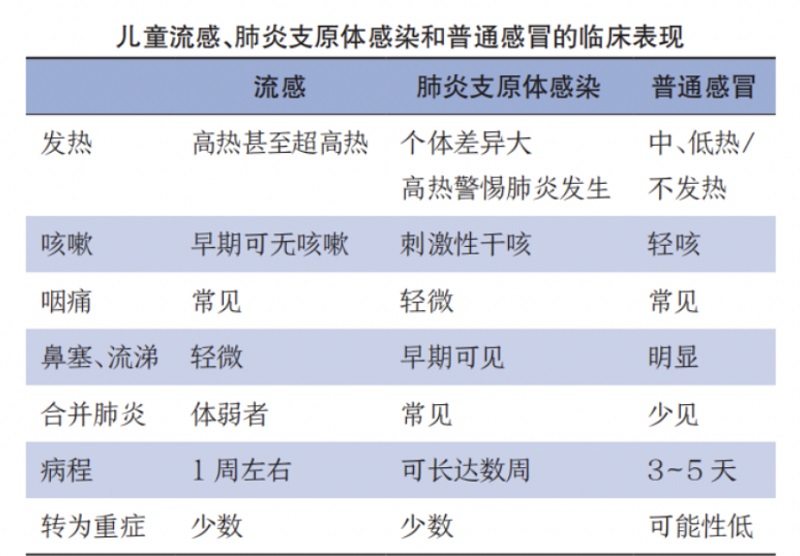
  6. What is the difference between the clinical manifestations of influenza, mycoplasma pneumoniae infection and common cold in children?
  The clinical manifestations of influenza, mycoplasma pneumoniae infection and common cold in children are different, and the main differences are shown in the table below.
  The clinical manifestations of respiratory tract infectious diseases are usually not specific, and there are individual differences among patients, so they can not be differentiated only by symptoms and signs, and usually need laboratory tests to diagnose.


  7. What are the commonly used therapeutic drugs for respiratory tract infection pathogens in adults?
  Recently, viruses and mycoplasma are the main pathogens causing respiratory tract infections. At present, there are mabaloxavir, oseltamivir and palamivir for influenza virus, nematevir/ritonavir, sennotvir/ritonavir, Monola vir and deuterium hydrobromide for Covid-19, and macrolides (such as azithromycin), fluoroquinolones (such as moxifloxacin and levofloxacin) and tetracyclines (such as doxycycline and levofloxacin) for mycoplasma.
  Some infections caused by viruses or mycoplasma will be secondary to bacterial infections. At this time, it is necessary to use antibiotics reasonably under the guidance of doctors to avoid drug resistance. Commonly used antibiotics include penicillins (such as amoxicillin/clavulanic acid), cephalosporins (such as cefaclor, cefuroxime and cefdinir), fluoroquinolones (such as moxifloxacin and levofloxacin) and macrolides (such as azithromycin). It is worth noting that the above drugs are all prescription drugs and need to be used under the guidance of a doctor.
  If you are self-tested for influenza virus antigen or Covid-19 antigen, and have serious high-risk factors such as age over 65, body mass index (BMI) over 40kg/m, basic diseases (such as chronic obstructive pulmonary disease, tumor, immune system diseases, etc.) or pregnancy, it is suggested to take orally anti-influenza drugs oseltamivir or mabaloxavir or oral anti-Covid-19 drugs within 48 hours of onset. If respiratory symptoms get worse, you should seek medical advice promptly.

  8. What drugs are commonly used by children to treat pathogens of respiratory infections?
  Children infected with influenza virus can take neuraminidase inhibitors such as oseltamivir, and children over 5 years old can also choose RNA polymerase inhibitors such as mabaloxavir.
  After children are infected with mycoplasma pneumoniae, the first choice is macrolide drugs, such as azithromycin, clarithromycin and roxithromycin. The alternative drugs are new tetracyclines (such as doxycycline and minocycline) and quinolones. Tetracyclines are only used for children over 8 years old because they may cause yellowing of teeth and hypoplasia of enamel.
  Children and adolescents under the age of 18 who use quinolones need doctors to strictly evaluate the indications and pay attention to the side effects of the drugs.

  9. What are the precautions in diet during respiratory infection?
  During the period of respiratory infection, on the one hand, due to fever, cough, fatigue and other conditions, the patient’s appetite decreased compared with usual; On the other hand, respiratory tract infection leads to the increase of energy consumption and the increase of energy demand.
  Therefore, it is particularly important to supplement nutrition in a reasonable and balanced way and ensure the supply of energy. People with decreased digestive function can eat less and eat more to ensure adequate energy intake.
  (1) Recommended food:
  ① Highly nutritious and digestible foods: such as lean meat, chicken, fish, tofu, etc. These foods are rich in protein, which helps to repair body tissues.
  2 foods rich in vitamins: fresh fruits and vegetables, such as oranges, kiwis, carrots and spinach, are rich in vitamin C and other antioxidants, which helps to enhance immunity.
  ③ Whole grains and foods rich in cellulose, such as oats, whole wheat bread and brown rice, provide necessary energy and cellulose.
  4 Adequate water: Ensure adequate water intake, such as drinking water, juice or soup, which helps to keep the body water balance and relieve sore throat.
  (2) Foods that are not recommended or need to be controlled:
  Oily and spicy foods, high-sugar foods, caffeinated drinks, etc.

Sichuan Sports Lottery Management Center’s departmental budget in 2017


  I. Basic functions and main work

  (1) Brief introduction to the functions of Sichuan Sports Lottery Management Center.

  Sichuan Sports Lottery Management Center is a subordinate institution of Sichuan Sports Bureau, which implements independent accounting and self-supporting management. Under the leadership of Sichuan Sports Bureau, the supervision and management of the Provincial Department of Finance and the business guidance of the Sports Lottery Management Center of the State Sports General Administration, it studies and formulates the rules and regulations for the management and sales of sports lottery in Sichuan Province, and organizes, supervises and manages the issuance and sales of sports lottery.

  There are offices, asset management department, marketing department, sales department, publicity and public relations department, data department, finance department, human resources department, service department and party discipline inspection office in the center, and there are 24 management stations in 21 cities and states, among which Chengdu has four management stations in the east, south, west and north respectively.

  Based on the principle of "openness, justice and fairness", the center carried out the sales and management of sports lottery tickets, and the distribution and management were standardized and rigorous, and obtained the ISO9001 quality system certification in June 2008. At present, there are two types of tickets sold by the center: computer and instant ticket, covering lottery, lottery and instant ticket. Sichuan is the sixth province and city in China with accumulated sales exceeding 10 billion. The public welfare fund raised has made positive contributions to the construction of national public welfare undertakings and achieved good economic and social benefits.

  (II) Key work of Sichuan Sports Lottery Management Center in 2017.

  2017 is the year when the 13th Five-Year Plan is comprehensively promoted, and it is also a crucial year for the transformation and development of Sichuan sports lottery. In order to accomplish the objectives and tasks in 2017, we should focus on the following aspects:

  1. Strengthen the party’s theoretical and political study, earnestly strengthen the party building work, constantly enhance the sense of responsibility and integrity, and ensure the healthy development of sports lottery in the province.

  2. Adhere to the management according to laws and regulations, respect the laws of lottery tickets, and ensure safe and orderly sales.

  First, strictly abide by the "Regulations on Lottery Management" and its implementation rules, and carry out all work according to the law.

  The second is to insist on managing lottery funds according to law.

  The third is to adhere to the law and regulations.

  3. Strengthen market cultivation and game marketing, and steadily increase sales and market share.

  4. Do a good job in channel construction and improve the scale and quality of outlets.

  First, strengthen overall planning, expand the scale of outlets and optimize the layout of outlets from the perspective of improving the convenience of lottery purchase and expanding the number of lottery buyers.

  Second, around improving the experience of buying lottery tickets, with the help of the central entity channel management system of the General Administration, we will deepen the classified management of outlets and further promote the standardization of hardware image, marketing services and safe operation of outlets.

  Third, improve the basic work and marketing skills of outlets by improving the training system, strengthening training assessment and checking the training effect.

  The fourth is to straighten out the management mechanism of physical outlets, simplify the procedures for adding, withdrawing and changing outlets, and optimize the business management process.

  Fifth, by providing efficient terminal maintenance services, timely coordinating and solving network failures and other measures to ensure the correct sales of outlets.

  5. Promote brand building and enhance the image of responsibility lottery.

  6. Strengthen team building and improve the quality and enthusiasm of the team.

  First, strengthen the ideological construction of the central team and all employees, put the party building work and the construction of a clean and honest government in the first place, firmly establish political awareness, overall awareness, core awareness and conformity awareness, and truly achieve political firmness, strict discipline and integrity.

  The second is to improve the business training system, promote the construction of learning organizations, and improve the management level and business skills of cadres.

  The third is to reform the performance evaluation method and improve the enthusiasm of the team.

  Second, the composition of departmental budget units

  Sichuan Sports Lottery Management Center is a first-class budget unit and other institutions. There are 0 subordinate secondary budget units.

  Iii. Description of revenue and expenditure budget

  According to the principle of comprehensive budget, all the income and expenditure of Sichuan Sports Lottery Management Center are included in the departmental budget management. Income includes: budgetary allocation income of government funds and other income; Expenditures include: other expenditures. The total revenue and expenditure budget of Sichuan Sports Lottery Management Center in 2017 was 185,815,800 yuan, which was 26,402,900 yuan less than the total revenue and expenditure budget in 2016. The main reason was that the part of the revenue and expenditure budget in 2016 that was carried over from the previous year was paid in the same year; Second, in the 2017 revenue and expenditure budget, no business fund was used to make up for the difference between revenue and expenditure.

  (1) Revenue budget

  The revenue budget of Sichuan Sports Lottery Management Center in 2017 is 185.8158 million yuan, of which: 3.72 million yuan was carried forward from the previous year, accounting for 2%; The budgetary allocation income of government funds is 157,955,800 yuan, accounting for 85.01%; Other income was 24.14 million yuan, accounting for 12.99%.

  (II) Expenditure budget

  The expenditure budget of Sichuan Sports Lottery Management Center in 2017 is 185,815,800 yuan, of which: the basic expenditure is 8,408,400 yuan, accounting for 4.53%; The project expenditure is 177.4074 million yuan, accounting for 95.47%.

  Four, the financial allocation budget description

  Sichuan Sports Lottery Management Center has a total budget of 161,675,800 yuan in 2017, which is 9,772,600 yuan higher than that in 2016. The main reason is that it is expected that in 2017, according to the needs of career development, marketing, advertising and other related expenses will increase accordingly. The income includes: 157,955,800 yuan from the government fund budget this year and 3,720,000 yuan from the previous year; Expenditure includes: other expenditure of 161,675,800 yuan.

  Five, the general public budget allocation in the current year.

  In 2017, there was no general public budget allocation arrangement for the current year.

  VI. Description of Basic Expenditure of General Public Budget

  In 2017, there was no general public budget basic expenditure arrangement.

  Seven, "three public funds" financial allocation budget arrangement.

  Sichuan Sports Lottery Management Center has a government fund budget of 160,000 yuan in 2017, including 40,000 yuan for official reception and 120,000 yuan for the purchase, operation and maintenance of official vehicles.

  (1) The funds for going abroad on business are the same as the 2016 budget. The main reason is that there is no funding arrangement for going abroad in 2016 and 2017.

  (2) The official reception fee is the same as the 2016 budget. The main reason is the strict implementation of the central regulations on "strict economy".

  In 2017, the official reception fee plan is used to undertake and participate in the exchange and cooperation of sports lottery industry.

  (3) The purchase, operation and maintenance costs of official vehicles decreased by 46.67% compared with the 2016 budget. The main reason is the strict implementation of the central regulations on "strict economy".

  The company has 6 official vehicles, including 4 cars, 1 station wagon (including commercial vehicles) and 1 off-road vehicle.

  In 2017, the departmental budget did not arrange the purchase fee for official vehicles.

  In 2017, the operation and maintenance fee for official vehicles was 120,000 yuan, which was used for fuel, maintenance, insurance, tolls and other expenses required for six official vehicles. The main guarantee units normally carry out various business work.

  Eight, the government funds budget expenditure.

  In 2017, Sichuan Sports Lottery Management Center spent 157,955,800 yuan on government funds, including 8,408,400 yuan on basic expenditure and 149,547,400 yuan on project expenditure.

  IX. Description of other important matters

  (a) the operating expenses of the organs

  Sichuan Sports Lottery Management Center belongs to the second-class public welfare institution, and there is no operating fund subject.

  (2) Government procurement

  In 2017, Sichuan Sports Lottery Management Center arranged a government procurement budget of 79.2644 million yuan, which was mainly used to purchase computer-based sports lottery sales terminals, lottery thermal paper, general office equipment purchase, terminal maintenance services, various advertising services and other projects.

  (three) the possession and use of state-owned assets

  By the end of 2016, Sichuan Sports Lottery Management Center had a total of 6 official vehicles, including 0 vehicles for provincial and ministerial leading cadres, 0 vehicles for directional security and 0 vehicles for law enforcement duty. 0 sets of large equipment with a unit value of more than 2 million yuan.

  In 2017, the departmental budget did not arrange for the purchase of vehicles and large equipment with a unit value of more than 2 million yuan.

  (IV) Setting of performance targets

  In 2017, the general projects and special projects of Sichuan Sports Lottery Management Center all implemented performance target management as required, involving the allocation of 0,000 yuan in the general public budget that year.

  X. Explanation of Nouns

  (1) Revenue from budgetary allocation of government funds: revenue used to carry out lottery issuance and sales business activities.

  (2) Basic expenditures: personnel expenditures and public expenditures incurred to ensure the normal operation of institutions and complete their daily work.

  (3) Project expenditure: business expenditure incurred to ensure the normal operation of lottery issuance and sales.

Sichuan Sports Lottery Management Center’s 2017 departmental budget public table
Department Budget of Sichuan Sports Lottery Management Center in 2017